Teeling Small Batch & Single Grain

Luck of the Irish? More like skill of the Irish.

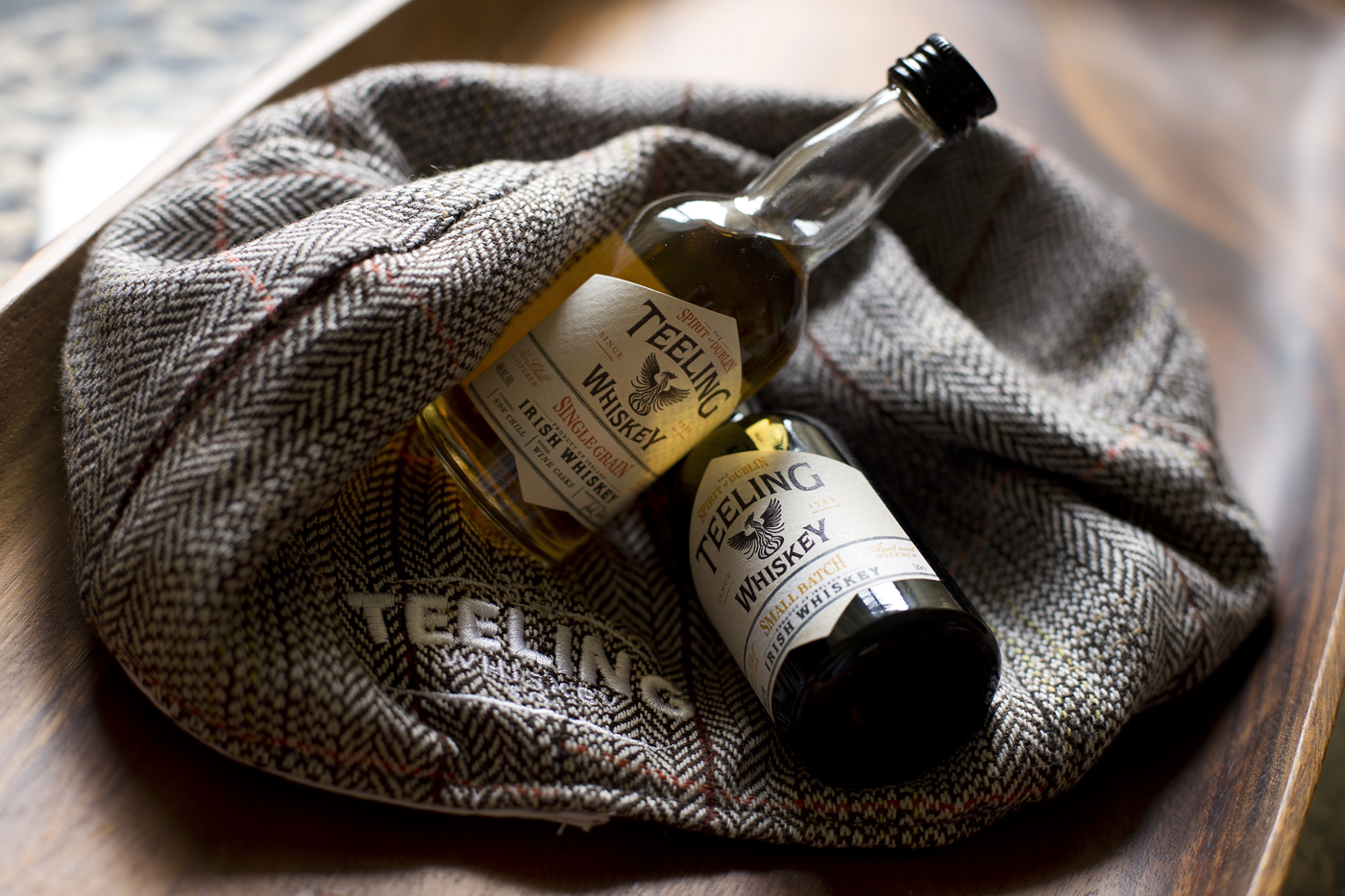
A nice little care package (complete with a tweed peaked flat cap) recently arrived from the generous folks at the Teeling Whiskey Company.

Teeling Whiskey

Whilst the Teeling family name is steeped in Irish whiskey making tradition as far back as 1782, these whiskeys hail from the current generation of Teelings who are in the process of setting up their very own distillery. When they run their stills for the first time in the next week or two, the Teeling Whiskey Distillery will be the first new distillery to operate in Dublin in more than 125 years.

Teeling Small Batch

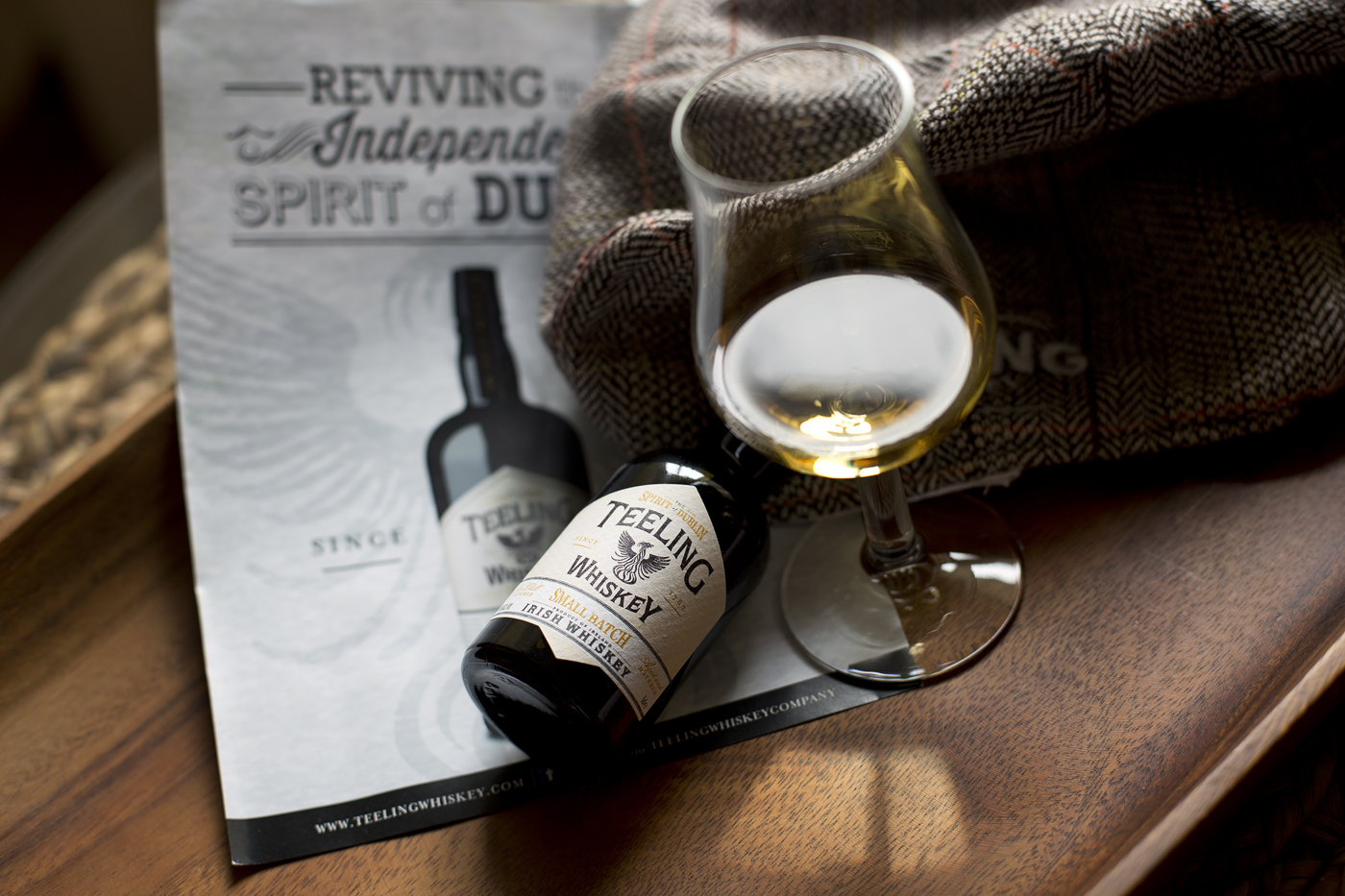
The first of the two whiskeys is the flagship Teeling Small Batch, a blend of malt and grain whiskies that are aged for a minimum of seven and four years respectively. Selected casks are then vatted together and finished for a further six months in Flor De Cana rum barrels to give the Small Batch an extra layer of complexity.

Teeling Small Batch

On the nose it’s unmistakably rummy (and Irish). Breaking that down, I got notes of sweet green apple, orange concentrate and a soft malty sweetness that reminded me of sponge cake in quality. The nose was soft, round, mellow and completely approachable.

I found the palate immediately oily and tongue coating, but not thick or cloying. The mouthfeel gives way to the lightest tingle of spice followed by a sweet malty biscuit quality (almost pastry like), with syrup and a hint of citrus. A vanilla-rum sweetness hangs around on the finish.

Teeling Single Grain

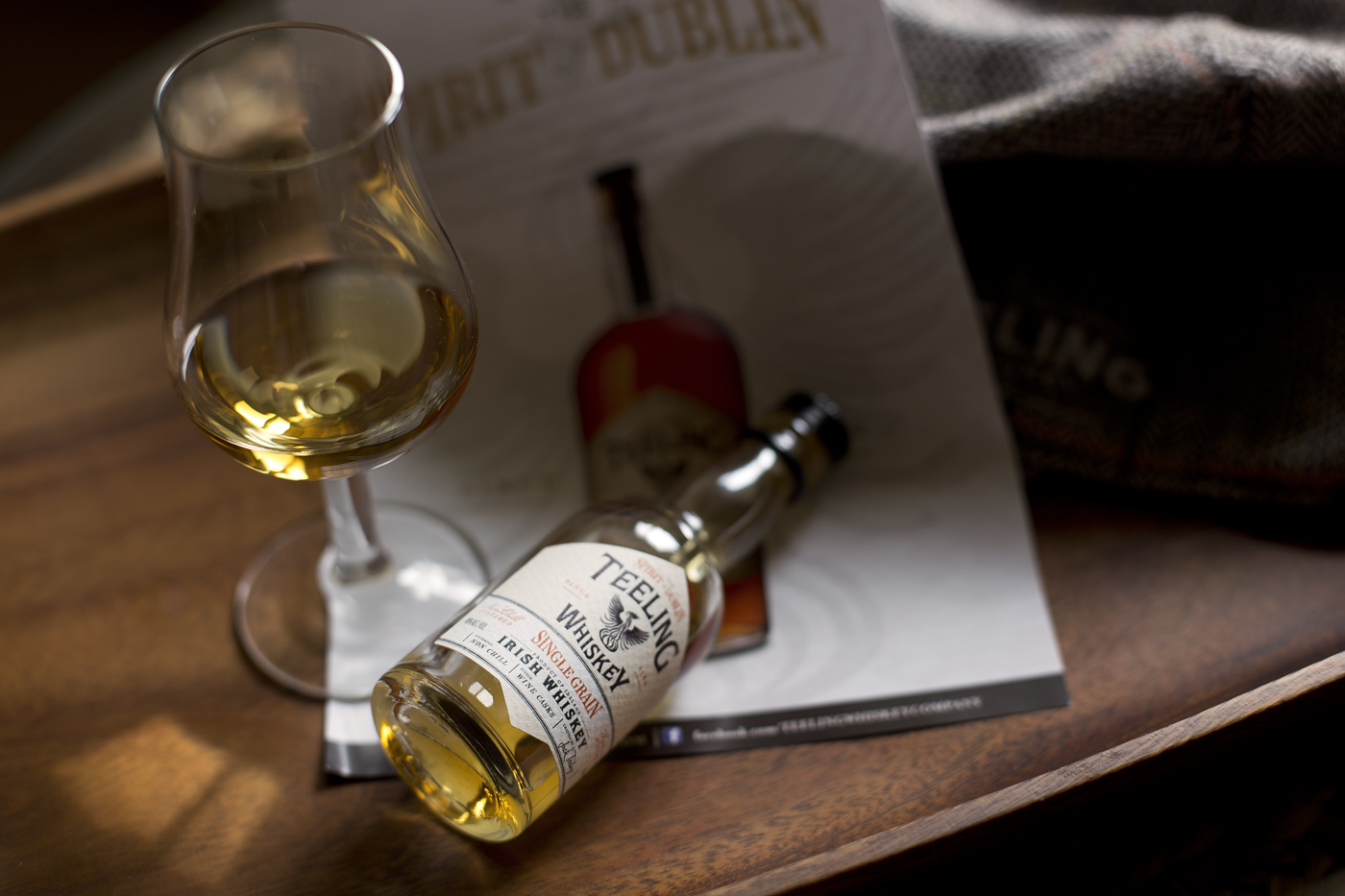
The second of the two is the new (to Australia) Teeling Single Grain whiskey, made from corn (maize) and distilled in column stills, as opposed to the traditional copper pot still. The interesting thing about this one is that it’s been fully matured in American Oak ex-Californian Cabernet Sauvignon wine casks for around five to six years, giving it that alluring coppery-red hue.

Teeling Single Grain

On the nose I found this fairly recognizable as a grain whiskey and initially a little thin and muted. Letting it open up for a few minutes though I found some lovely sweet jam notes, brown sugar, new fresh oak casks (the smell of walking into a winery cellar – perhaps suggestive of the cask influence on this one as well)

As with the Small Batch, the mouthfeel is oily and tongue coating, opening up with a burst of vanilla and berry jam. The fresh young oak taste translates as well and it finishes quite dry and short.

This one is super easy to get along with and given its price point (around the AU$65 mark), I can understand how this won World’s Best Grain at the World Whisky Awards last year.

Some other thoughts

Whilst carrying the ‘Teeling Whiskey’ name, both of these were actually distilled at the Cooley Distillery, which also happened to be established by the Teeling family back in 1987.

I find rather interesting that Teeling have played around with cask finishing on these two, something you see a lot with Scotch whisky, but not quite as much of in the Irish whiskey world. I think they’ve been really clever here and it’s helped them release some young, but super enjoyable and characterful whiskey.

Another thing that really works in their favour is that both of these are bottled at 46% ABV and they’re both non chill-filtered. If that doesn’t mean much to you, have a read of this. Essentially though, it helps give both of these whiskeys a lovely oily character that’s full of flavour and I can’t imagine anyone not getting along nicely with these two.

The Teeling Small Batch and Single Grain are both available in Australia for around the $55 and $65 mark respectively and later this year they will also be joined by the new Teeling Single Malt expression!

SMWS 127.37 Dinosaurs dancing to Stravinsky

A young refill sherry Port Charlotte

This peated powerhouse is one pour away from the bottle graveyard, so I thought I’d document a few notes here before it’s gone for good. What you’re looking at is actually the first ever SMWS bottle I purchased, a nine year old Port Charlotte that I picked up back in 2013.

SMWS 127.37

If you’re not overly familiar with the Scotch Malt Whisky Society (SMWS) and these unique bottlings, have a flick through this. In a nutshell though, all SMWS bottles are single cask, cask strength whiskies, bottled without chill-filtering and without the addition of colouring. It’s whisky at its purest.

The whisky

On the nose I get thick, sweet and creamy vanilla notes, Stroopwafel (those Dutch caramel waffle biscuits), smoked honey, a slight BBQ char note and hints of that trademark putty/rubber glove scent that I always associate with Port Charlotte. Despite the strength, the nose is round and whilst there’s a prickle, it doesn’t quite give away the immensity of this dram.

On the palate I get an immediate prickle and burst of salivation that gives way to a big, juicy and oily mouth feel. There’s coal fired vanilla desserts and white pepper. It’s sweet, thick and creamy with salted crème caramel and char. As you’d expect, the finish is long and warming, but there’s also a lingering and comforting sooty ash note.

SMWS tasting glass

In case you can’t quite see it on the label, this bottle weighs in at a heft 66.5% ABV. I know some purists out there would happily tackle this sans water (Andrew, I’m looking at you) and indeed I have on many an occasion. However, I actually really enjoyed this one with the smallest dash of water.

If the high ABV spirit is the dinosaur, then I guess that quality sherry cask is Stravinsky, taming a big ballsy whisky and making it dance. It’s lovely stuff.

Was it open for too long?

From start to finish, this bottle was open for a good 12 months or more. Like most diehard whisky fans, I’ve read plenty of articles about the dreaded ‘oxidization’ of spirits and started to get a little paranoid about the numerous open bottles I had, such as this one. I went and bought sample bottles to decant them and picked up various inert gas sprays used by the wine folk to displace oxygen in open bottles. Then I started to realise that it was all a bit annoying and couldn’t be bothered.

I’m kind of glad I did, as this bottle is just one example of how much whisky can actually open up and evolve with some airtime. I’m sure not every bottle will be enhanced by air, but I’m convinced that some of them will be, and it can be quite a fun learning experience revisiting them over time and seeing how they evolve.

Best of the rest 2014

It’s that time of year again where some things start to ramp up and hit full-swing, whilst others take a bit of a breather and have slowed down slightly. Sadly (though thankfully for my wallet), whisky tastings and whisky events are one of the things that seem to taper off around this time of year, so it’s a perfect opportunity to catch up on some posts.

The tasting

In late December it was time for one last hoorah when the Oak Barrel in Sydney held their end-of-year ‘Best of the rest’ masterclass. I went along to one the year prior and they had some killer drams, including what was perhaps my whisky highlight of 2013, a Glendronach 1978 single cask.

Could they match that stellar line-up again this time ‘round? Well, I’ll let you be the judge of that one. Here’s how the evening unfolded.

Mackmyra Brukswhisky

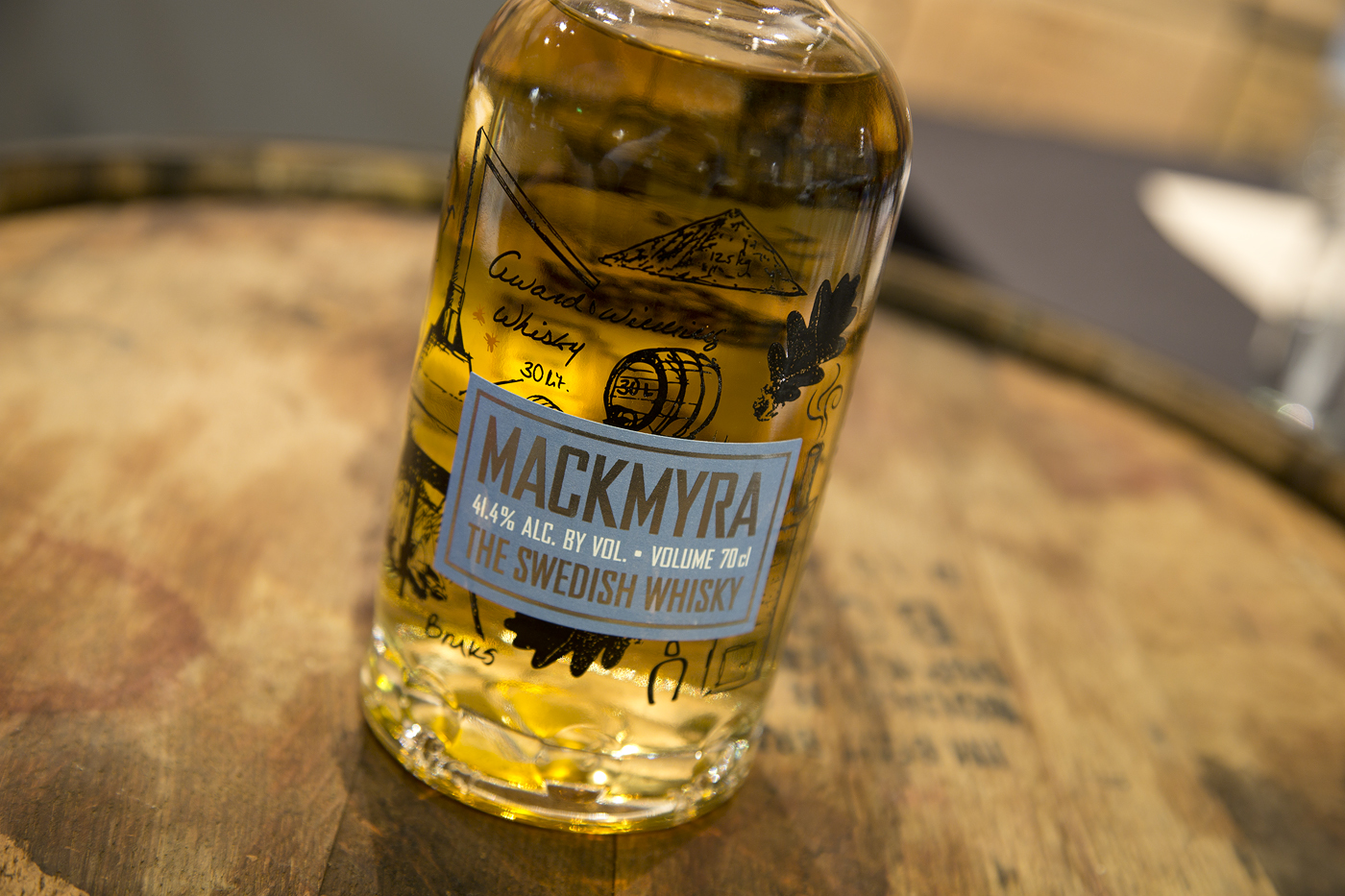
First up was a whisky from Swedish distillery, Mackmyra. Despite their young history, there are some truly fascinating facts and figures out there about Mackmyra. For example, did you know that most of their whisky is matured 50 metres underground in a dis-used mine? Nope, me neither. Pretty cool though, just like the Brukswhisky bottle.

Mackmyra

I found the Brukswhisky to be very light (and quite bright) on the nose. I got some hints of orange citrus, peppery juniper berries, crème caramel and vanilla. After some air-time, some notes of apple and pear.

The ‘light’ theme continued on the palate, with some vanilla notes toward the back of the palate and some lightly spiced, malty flavours giving way to a fairly tame – but warming – finish. Quite interesting and summery , but I thought it still had a bit of a banana new-make spirit note to it as well (certainly not off-putting, just an observation).

Adelphi Liddesdale Batch no. 5

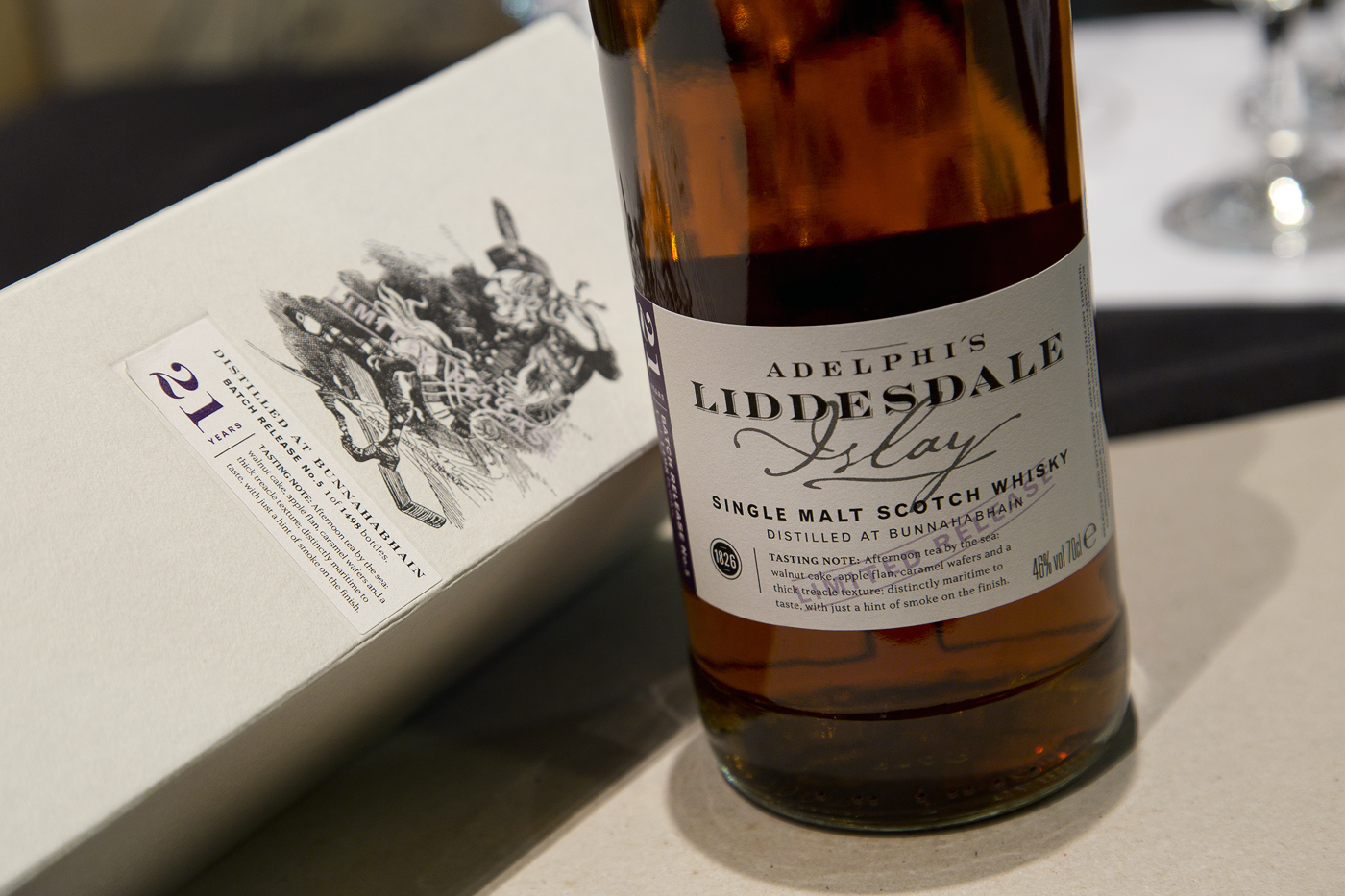
This interesting offering comes from Adelphi, an independent bottler who purchase casks from distilleries then bottle and release the whisky when they feel it’s just right. Despite the name, there isn’t actually a Liddesdale distillery and the liquid in this bottle is from the Bunnahabhain Distillery on the Isle of Islay. Five different refill sherry butts went into this one to be exact, each at least 21 years of age.

Adelphi Liddesdale

Notes of rich wine gums or gummy lollies on the nose. Some grimy workshop oils, rubber inner-tubes, damp vegetal smoke, a ginger dustiness and well integrated sherry notes. The ‘dense’ theme continued on the palate, with this being noticeably heavier and oilier than the Mackmyra (which could be credited to many factors, but mainly due to the Adelphi being non chill-filtered and bottled at 46% ABV). Some spice presents right up front on the tongue before clearing to a warming, sweet – yet spicy – salted dark chocolate finish.

I’ve tasted this on many an-occasion (I have a bottle) and I find that I get the most out of this by sitting with it over a longer period of time. Something of a contemplative dram if you will.

Adelphi Highland Park

The third dram of the night was also from Adelphi, but we were now moving into cask strength territory with this well-aged, 26 year old single cask offering from Highland Park.

Adelphi Highland Park

I’m quite familiar with what the standard, official bottlings of Highland Park smell and taste like..and I found this to be nothing like those!

Tropical coconut and woody notes presented first up on the nose. I found this to be quite restrained and delicate with a difficult to describe underlying ‘tropical’ note that presented in a number of different ways, like green grapes, desiccated coconut, bees wax and a light forest/vegetal note. The tropical theme continued on the rich and oily palate with overripe soured berries, grapefruit and hints of liquorice ending in a somewhat drying and tannic finish that became malty and cloying (not oaky and bitter). Confused a little? I think I was too.

Glendronach Cask Strength Batch no. 3

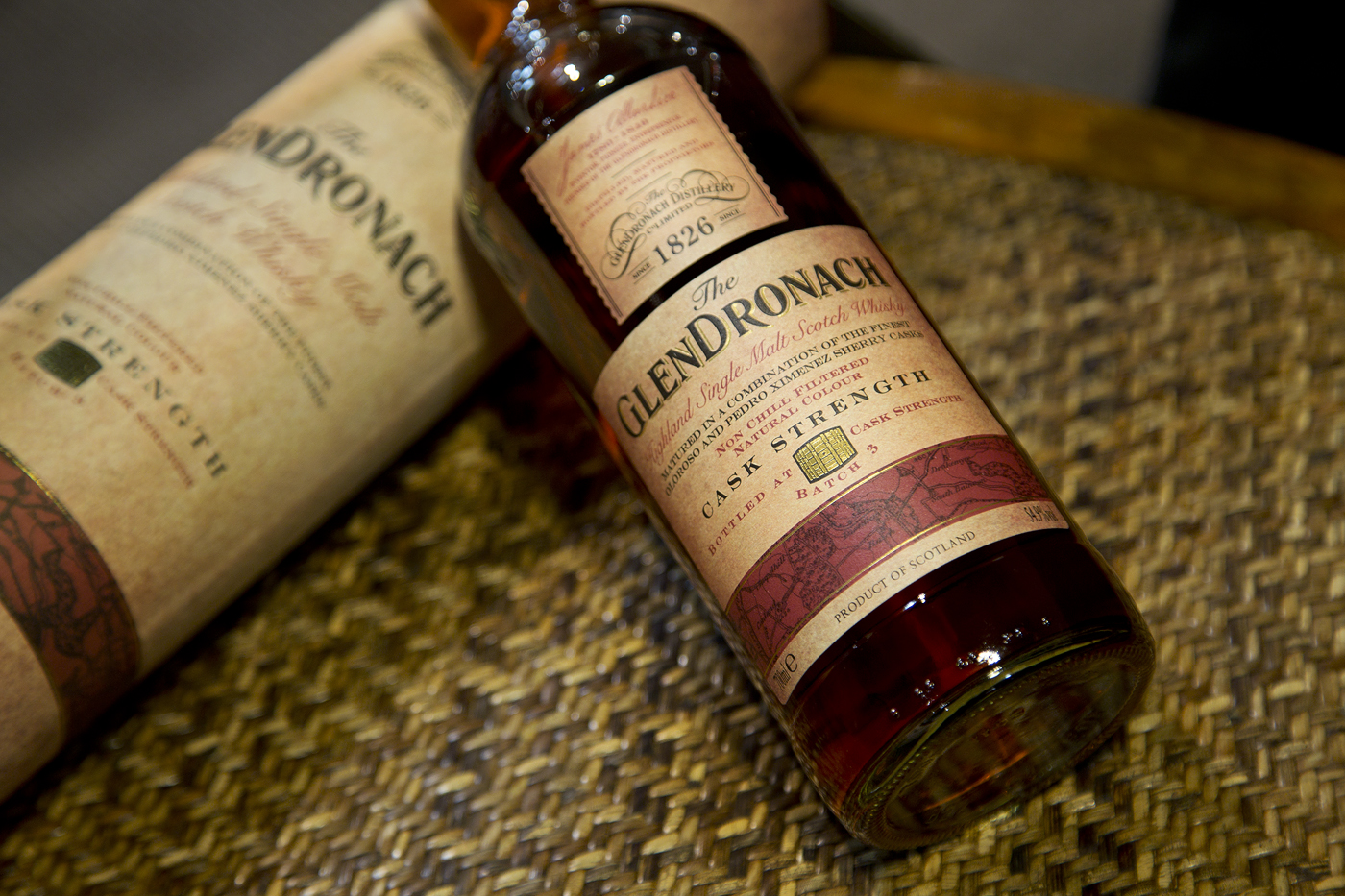
We stayed in the cask strength territory with this next one too. A no age statement marriage of both Pedro Ximenez and Oloroso sherry cask Glendronach, bottled at 54.9% ABV. I liked batch no. 1 better than no. 2 so it was going to be interesting to see how this stacked up.

GlenDronach

So creamy, sweet, rich and full on the nose. There’s nothing shy, restrained or delicate about this at all. It’s not an all out sherry monster, but there’s loads of juicy raisins, honey, vanilla, dusty 70% dark chocolate and some estery varnish notes.

Immediately oily and hot up front on the palate, but it gives way to sweet rich sultanas and raisins, crisp red apples, vanilla pods, candied ginger and spice. A super solid and enjoyable Glendronach.

Laphroaig 1976 Scotia Royale 35 year old

Yes, that’s right, the little heading above isn’t a typo! One of 211 bottles, this 35 year old Laphroaig was bottled at cask strength of 43.3% ABV. Forget nearly everything you think of when you think of Laphroaig, the whisky pictured below was super unique.

Laphroaig

Straight away it became apparent that this had a very deep and layered nose. Fresh mint, herbal and vegetative with tropical notes of papaya and overripe mango (I generally get traces of these last two notes in the standard 18 year old expression as well). It mellowed the longer it was uncovered, revealing coconut oil and a yeasty trace, but never became overly woody which was interesting considering its age.

Despite the low ABV, the mouth feel of this was still oily and rich. The palate stayed pretty close to the nose with lots of tropical fruit and vegetal mossy flavours giving way to a faint iodine and spice finish.

An undeniably interesting dram, but I personally struggle to think of a time when I’d go ‘ah yes, I feel like that flavour profile tonight’. It would be a special occasion pour, that’s for sure.

Port Charlotte PC8

If you’ve ever had something from the PC series (or even a standard Port Charlotte), then you know full well why this was the last dram of the evening.

PC8

Before the glass comes within 12 inches of your nose you already get a face full of smoky, salty, charred ashes. There’s freshly laid tarmac, putty, latex gloves and vanilla rich desserts… that have been set on fire… This stuff is pretty exciting.

The palate and mouth feel of this whisky are just as big as the nose. It’s oily, instantly warming and loaded with the flavours of a spicy, smoky coastal barbeque. Charred, cured meats and sweet butterscotch eventually give way to an ashy and slightly floral finish that lasts for ages.

Group

Thanks to Dave and all the friendly guys at the Oak Barrel for for holding a number of a fantastic tastings throughout the year (such as this and this). Looking forward to seeing what you have in store for us in 2015.

The Balvenie Craft Bar, Sydney

And the Australian launch of the TUN 1509

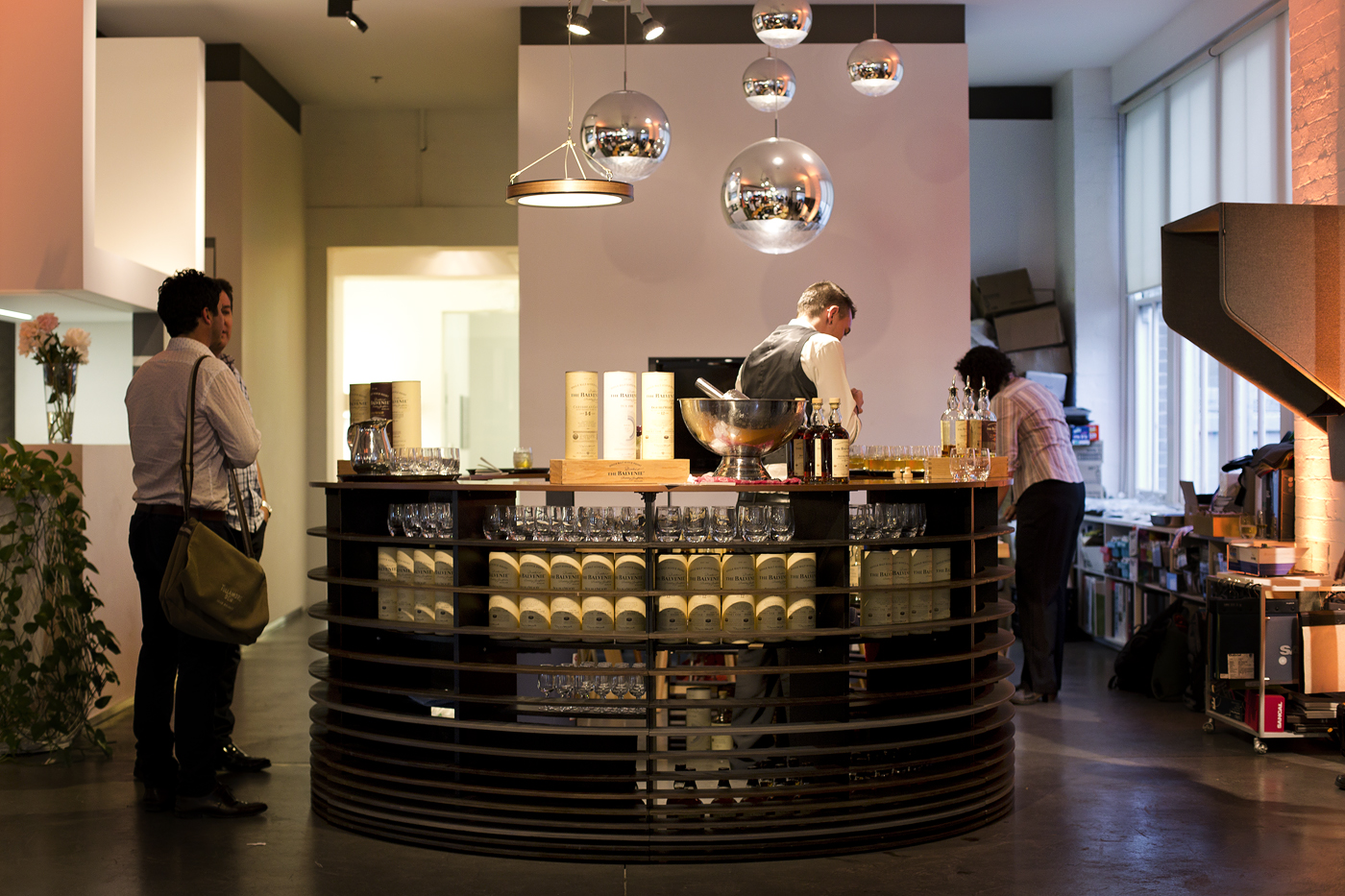
The Balvenie train rolled into Sydney late last year when their pop-up craft bar came to town.

The idea behind the ‘craft bar’ concept is very much based on Balvenie’s own dedication to their craft, making whisky. Although they produce in the region of 5.6 million litres of spirit each year (making them one of the bigger distilleries in Scotland) there are still many craft elements to their production process. Such as traditionally floor malting a portion of the barley that goes into making their whisky and using their own on-site cooperage to craft the casks that will go on to hold Balvenie whilst it matures.

Balvenie Craft Bar Sydney

The whole craft element is a tradition and association that they’re pretty proud of, so it’s nice to see them using that devotion to help local artisans on the other side of the world get some recognition as well. It’s not the first time we’ve seen this concept in Australia either. In 2013 the bar was set up in one of Melbourne’s many lane-ways and seemed to prove quite popular.

The setting for this year’s craft bar was Zenith Interiors, a creative warehouse space in the inner-Sydney suburb of Surry Hills. Entering the warehouse guests were greeted with a huge sand-box of barley (more on this later) whilst a smart trio of hosts served up some refreshing Balvenie cocktails.

Balvenie

There was also a craft bar, within the craft bar (inception style)

The Balvenie Craft Bar

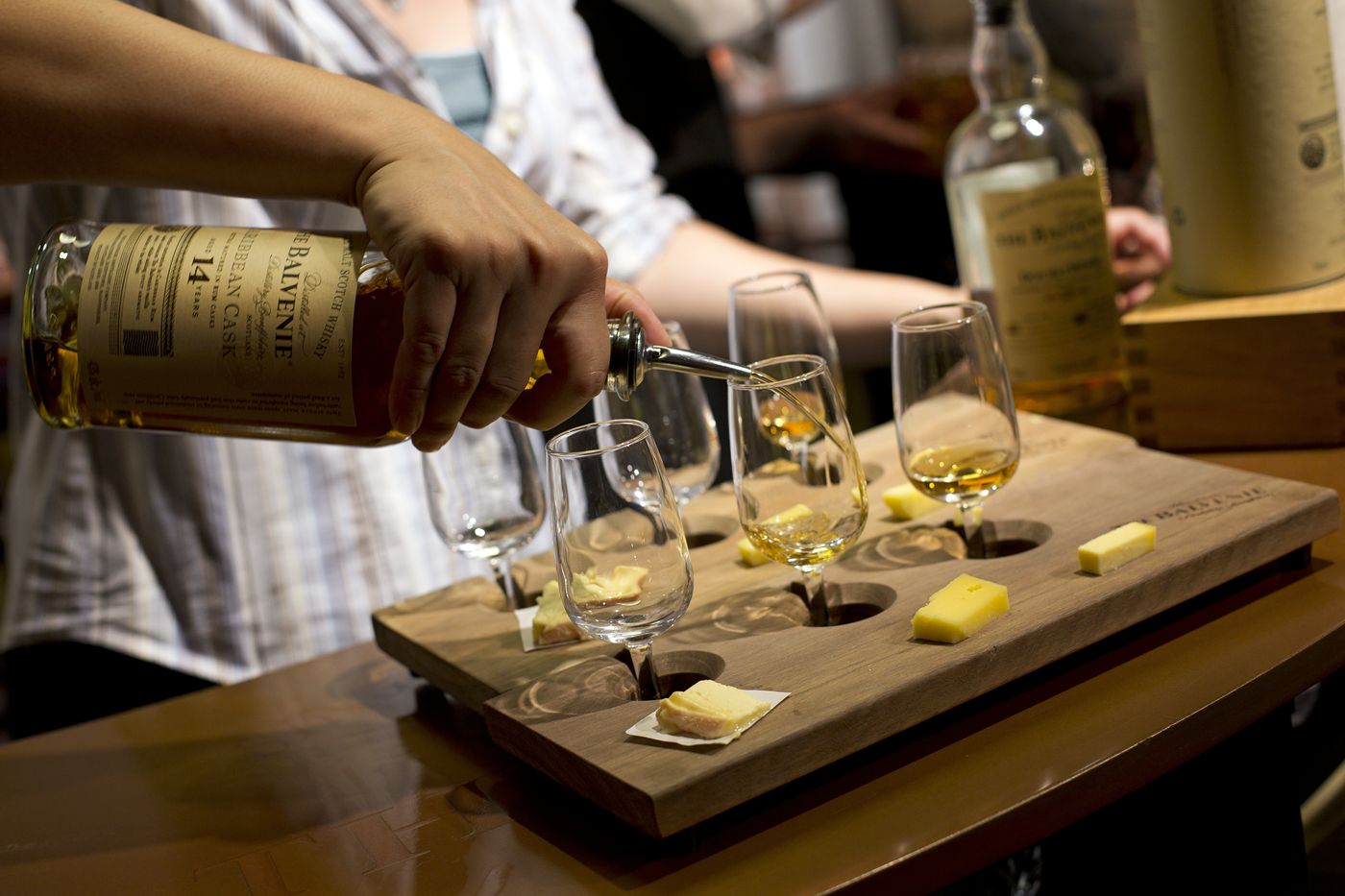
The craftiness continued with these cool little Balvenie tasting boards, which neatly held a trio of glasses and allowed you to move around the space and check out the exhibits whilst enjoying a spot of whisky and some quality cheeses.

Balvenie Cheese Board

Speaking of exhibits, they were actually really visually interesting to inspect, ranging from the craft of traditional book binding, to tailoring, stone masonry, instrument making and more. These drums from Sleishman particularly piqued my interest. The way they’re made reminded me of the oak staves in a whisky cask. I’m not sure whether the association was intentional or not, but they oozed top quality craftsmanship.

Sleishman drums

The Balvenie had some of their craftsmanship on display as well, like this copper ‘dipping dog’ or ‘whisky theif’ (used to retrieve whisky samples) which was sitting atop one of their own oak casks.

Dipping dog whisky thief

By this point the Balvenie sample boards were looking a bit empty for some punters, so back to the bar to watch the bartenders exhibiting their craft.

Balvenie Old Fashioned

A take on the classic old fashioned this time ’round.

Balvenie Old Fashioned

Two measures of Balvenie 12 year old Double Wood, one measure of Pedro Ximenez Sherry, a dash of plum bitters and some simple syrup – all stirred down over ice.

Balvenie Old Fashioned

I’m not always the biggest fan of whisky cocktails (I often find cocktails in general to be too sweet for my personal tastes) but these were dangerously moreish and a big crowd pleaser!

The Balvenie TUN 1509

There was an extra perk of being invited along to the opening night of The Balvenie Craft Bar, and that was the official Australian launch of The Balvenie’s latest limited release, the TUN 1509.

The Balvenie Tun 1509

Keen single malt fans might be familiar with the ‘TUN’ moniker when it last appeared as the TUN 1401. Each iteration that came out quickly gained a cult following (and a collector price tag on the secondary market), with different batches destined for different markets around the world.

It was always very reasonably priced for what it was (a high proportion of the whisky in it was very well aged!), but after nine releases the range has been informally retired and replaced with the new TUN 1509 expression.

The term ‘TUN’ referent to a big oak vessel (almost like a giant cask) into which numerous casks can be emptied and left to marry and settle together before eventually being bottled. From what I’ve heard and read, TUN 1401 generally held in the region of 9 to 11 casks, whereas TUN 1509 can hold in excess of 42 casks, meaning more bottles for more fans.

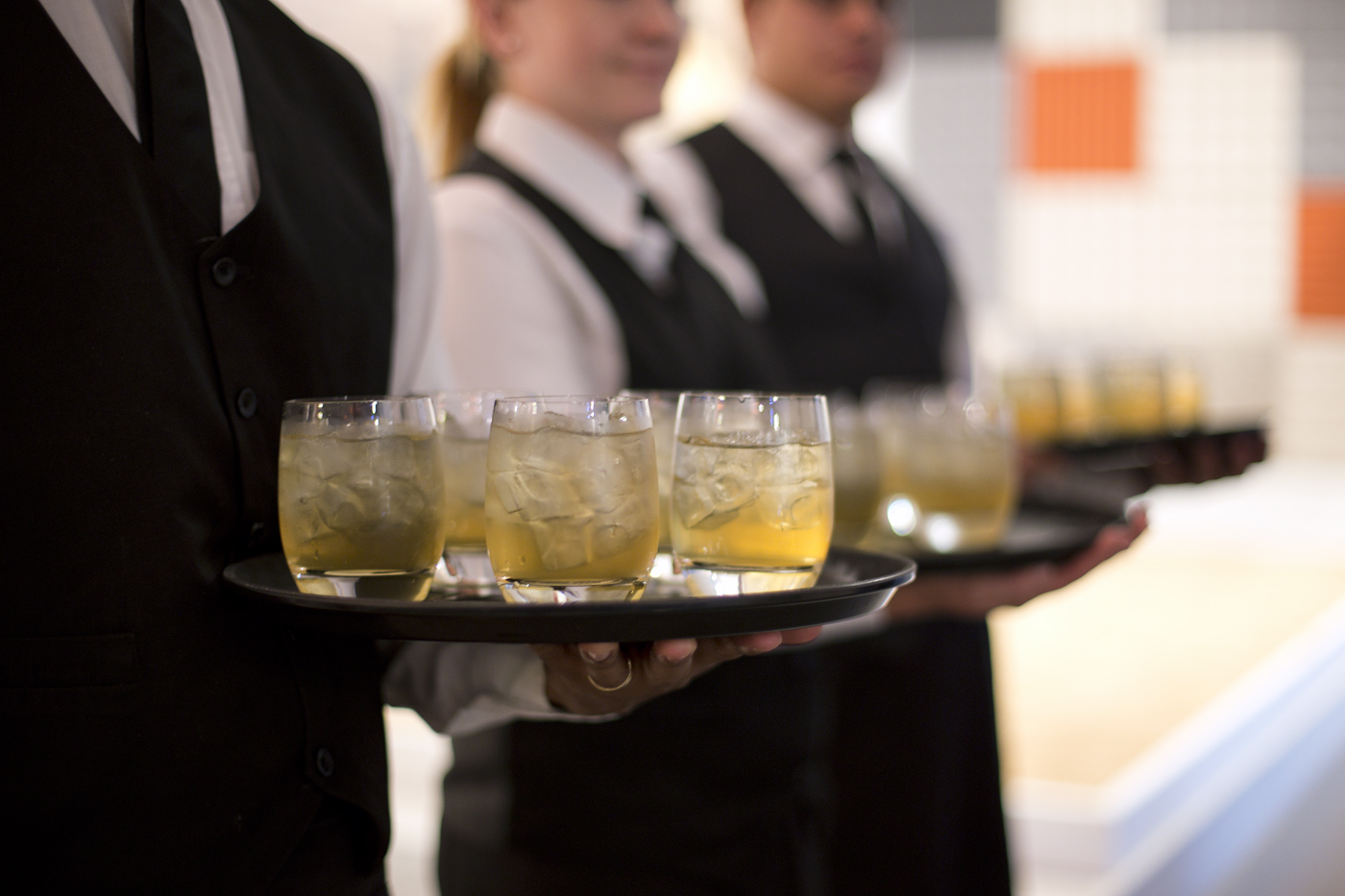
Brand Ambassador, Richard Blanchard, gave a brief intro before the bottle was de-corked and waiters did the rounds with generous samples. I can’t say I’ll ever tire of the site of someone walking toward me with a tray like this.

The Balvenie TUN1509

TUN 1509 tasted

Tasting notes are always tough at events like this, but I managed to park myself on an Aeron desk chair (these creative people really know their seating!) and jot down the following.

The Balvenie Tun 1509

Nose

Fresh out of the bottle I found some rather unpleasant kerosene and metallic notes. Thankfully these dissipated and given some glass-time to open up the nose developed some nicely rounded notes of red apple skins, hints of spice, some honeycomb wax and old-style soft fudge. In the background; dusty library books and a hint of charred oak.

Palate

Initial entry onto the palate was quite light and delicate but it opened up swiftly to reveal a lot of those notes from the nose – waxy red apples, red stone fruit, dried fruit, honey and soft fudge.

Finish

Long and full of flavour with some spice and nicely balanced oak becoming more apparent as time went on.

The Balvenie TUN 1509 Batch No. 1 is available in Australia now (in very, very limited quantities) at a recommended retail price of AU$420.

Making my way out for the evening..

..it became very apparent that the barley pit had become something of a fun adult sand-box, with groups throwing handfuls of malt at each other and even making the barley equivalent of snow angels.

IMG_6160

And then one chap really figured out what it was intended for!

IMG_6182

One of the other great things about this whole set-up is that it wasn’t limited to a one-off launch evening. The craft bar was open for a four-day period, every evening and it was 100% free! I’m not sure whether they will be holding it again next year, but if you liked the sound of all this, head on over to The Balvenie website and sign up to their Warehouse 24 club to be the first to hear about all of the other events they’ve got going on, both in Australia and globally.

The Balvenie Tun 1509

Woodford Reserve tasting

Woodford Reserve tasting of epic proportions, Shirt Bar, Sydney

Ah Woodford Reserve. You bring back some vivid memories for me.

We enjoyed each other’s company a little too much on our last encounter though. It was great while it lasted – I had an absolute blast – though I spent much of the following day cursing your name and I wasn’t in a hurry to see you again.

That was unfair of me though. It wasn’t your fault, it was mine, so I’m really glad we had the chance to make up. And what better way to make up than with a bourbon tasting bonanza at Sydney’s Shirt Bar hosted by the incredibly knowledgeable, Mr Stuart Reeves.
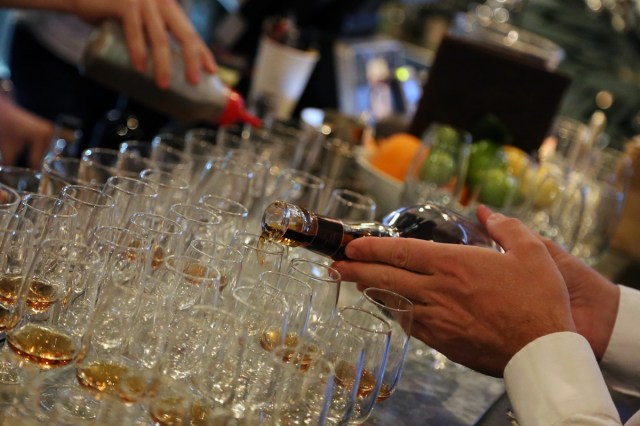
Woodford - Pouring

A bit of a forewarning here – If you’re not one for the details and a bit of a story, feel free to skip the wordy bits and start reading again when you get to the pretty pictures – this post’s a bit long. 

Woodford Reserve: The distillery

I’m a bit of a sucker for details. So it was a good thing that our host for the evening, Stuart, had a wealth of knowledge to impart. As told by Stuart, here’s a bit of info you’re probably not going to find on Woodford’s website:

  • For a brief period of time in the early 1870’s, Colonel EH Taylor (a name Rye whiskey fans might recognise) took over the distillery and patented a heat cycling process that’s still used in Woodford’s warehouses today (more on this in a sec)
  • Woodford’s current owners, Brown Forman, have actually had two bites of the cherry – purchasing the distillery for the first time in 1941 and again around 1993/ 1994. Reason for the first sale? The bourbon slump of the 1960’s.
  • During the above period, the distillery actually lay dormant from around from around 1970 until 1993 while under the ownership of someone who had intentions of turning it into a chemical plant of some description

As an aside, while absorbing these details like a fresh shamwow, we were all treated to a classic Woodford Reserve Old Fashioned – well executed by Shirt Bar’s crack team of bar tenders.
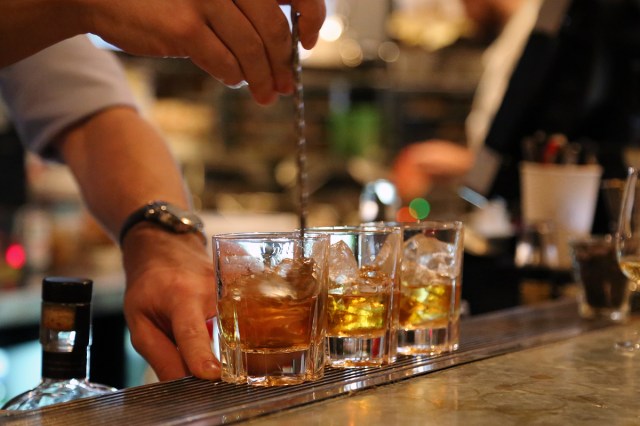
Woodford - OFs

Creating Woodford Reserve

At one point in time, I thought bourbon was just bourbon. But just like the Scotch whisky industry, the differences in production from distillery to distillery can be truly fascinating and they all factor into creating a unique product.

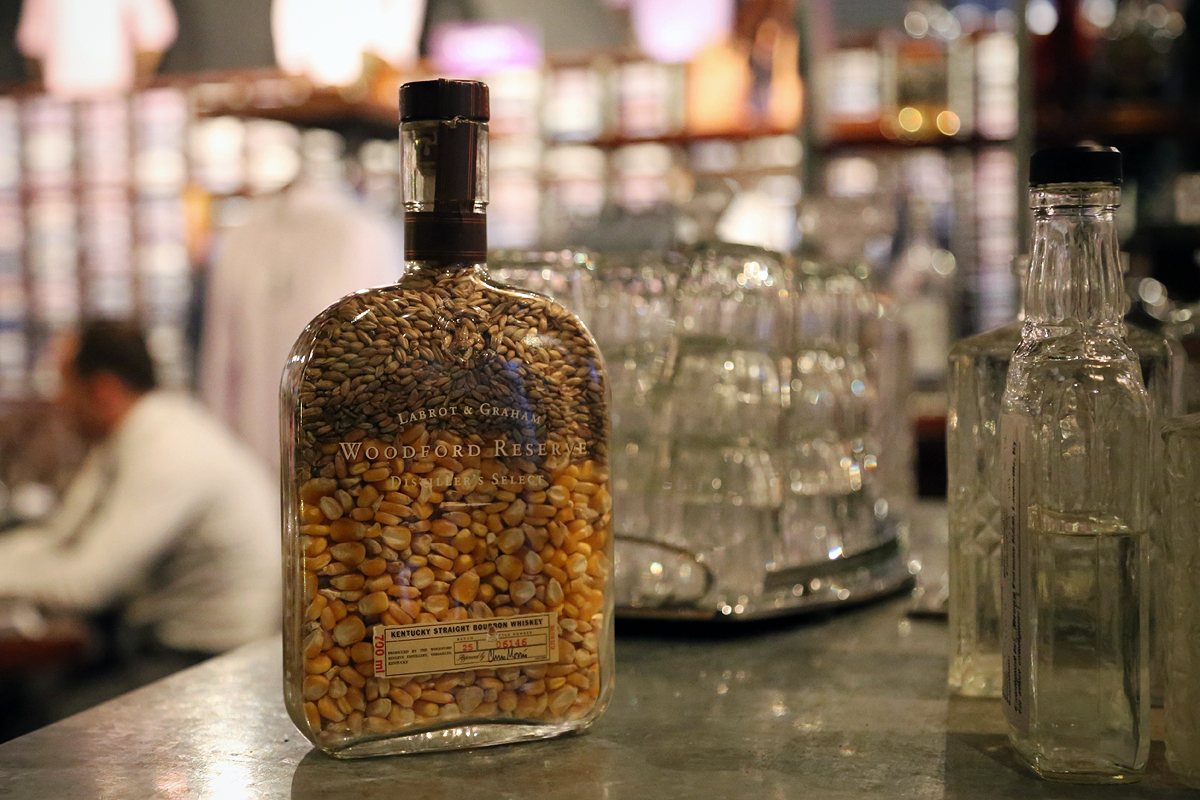
The first thing to note about Woodford Reserve is their standard grain bill, which is 72% corn, 18% rye and 10% barley. That’s a decent proportion of rye as far as bourbons go and Stuart brought along this neat visual representation.

Woodford - Grainbill

Here’s a few other interesting things that make Woodford, well, Woodford!

  • As opposed to using column stills (which are standard in the bourbon industry), Woodford use copper pot stills imported from Scotland (the same kind of still used in the production of Scotch whisky)
  • Woodford Reserve is the first and only triple distilled, copper-pot bourbon available in the US.
  • Woodford Reserve use only 6% sour in their mash, which means 94% of each distillation comes from fresh grain (industry standard for sour is around the 30% mark). Not sure what I mean by sour mash? Check this out.
  • Brown Forman own their own cooperage and make their own barrels – a whopping 2,900 of them a day! The number of those earmarked for Woodford Reserve? Around 100.
  • Those 100 barrels are special though – they’re the only barrels out there in the bourbon world where the heads of the barrel are toasted and charred as well as the barrel itself (I wonder if Ardbeg got this idea from them?)
  • Maturation warehouses are made of limestone rock and are heated in the winter with steam coils (enter EH Taylor). Why? To speed up maturation and keep it going at a constant rate, right throughout the year.
  • This takes its toll on cask volumes though. A staggering 50% of volume is lost to the Angels over seven to eight years.
  • One last one for the Scotch fans – some of Woodford’s barrels end up cradling the nectar of Balvenie and Glenfiddich.

What we tasted

If there’s a definition of a bourbon bonanza, then this is probably it. The line up for the evening included no less than six of Woodford Reserve’s finest, plus a few extras.

New make spirit

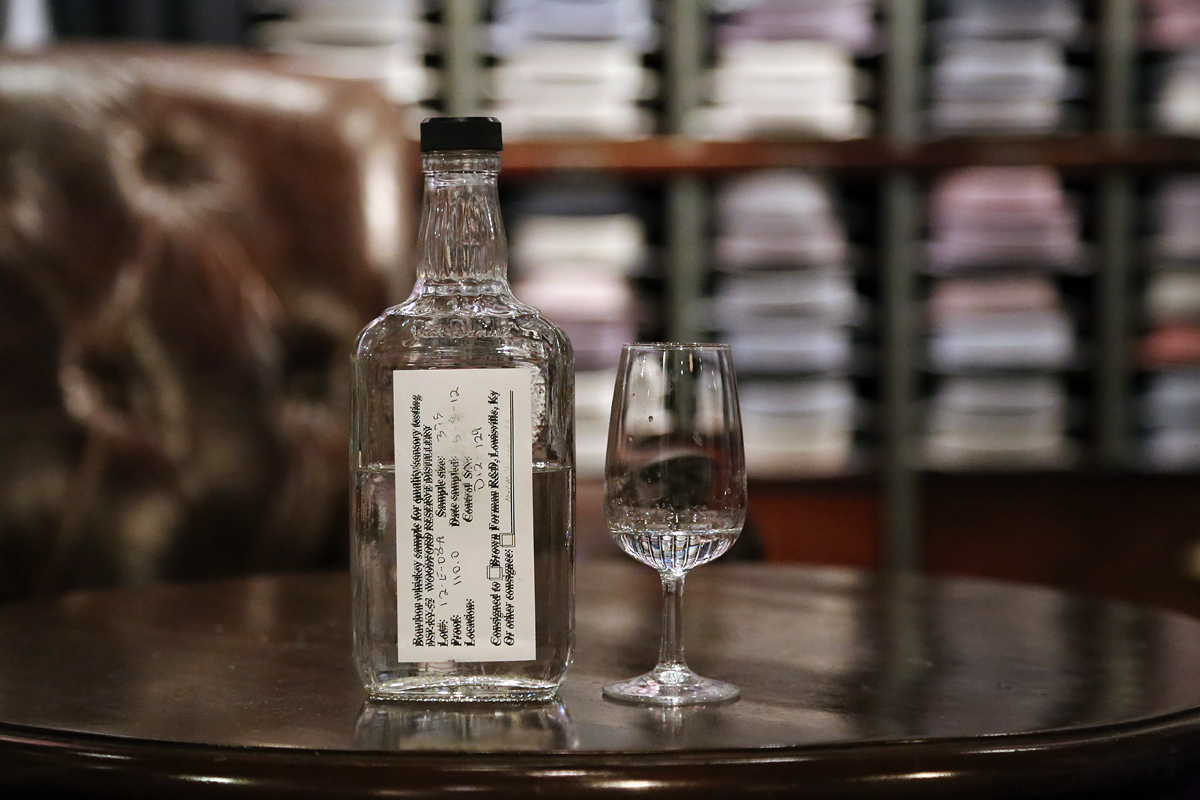
First up was Woodford Reserve new make spirit, also known as ‘White Dog’.

No, your eyes aren’t deceiving you, the label was misprinted and had you seeing double, before you even tasted it. Perhaps if you finish the bottle is become clearer?

Woodford - New make

On the nose, I got some sweet spirit notes, spice, some nutty herbal notes and a young grappa/ white rum kind of effect. There weren’t really any surprises on the palate, with the new make tasting clean, dry and spicy with some faint herbal flavours on the finish.

After being triple distilled, I expected their new make to have a really high alcohol content (ABV) and indeed it does when it comes off the third distillation at around 79% ABV (158 proof).

However, it was interesting to hear that they actually dilute the new make down to 55% ABV (or 110 proof) before casking it, as they believe it matures better and gets more flavour out of the cask, needing less dilution at the end!

Distiller’s Select

Next up was their flagship expression, Distiller’s Select. A seven to eight year old bourbon made with their standard grain bill, triple pot distilled and bottled at 43.2% ABV (I believe it’s bottled at 45.2% in the US?).
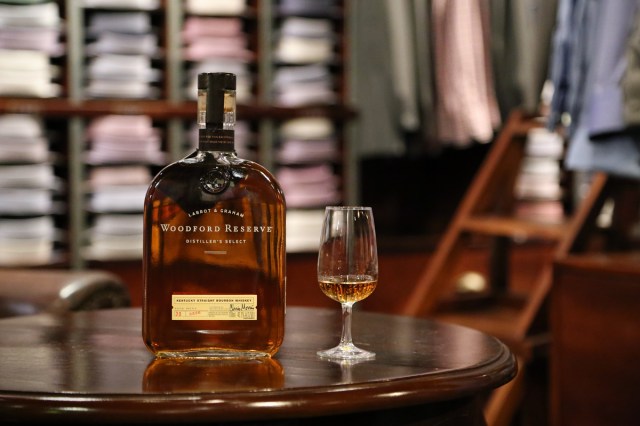
Woodford - Distillers Select

I got some lovely caramel notes on the nose, vanilla, orange, some nutty spice, woody furniture polish and grainy cereal swirled throughout. I found the Distiller’s Select to be a tad thin on the palate, big wave of spice and not quite as sweet as the nose suggested. Pleasant burnt caramel and woody notes, minus any bitterness faded to a medium length finish, mainly concentrated in the mouth.

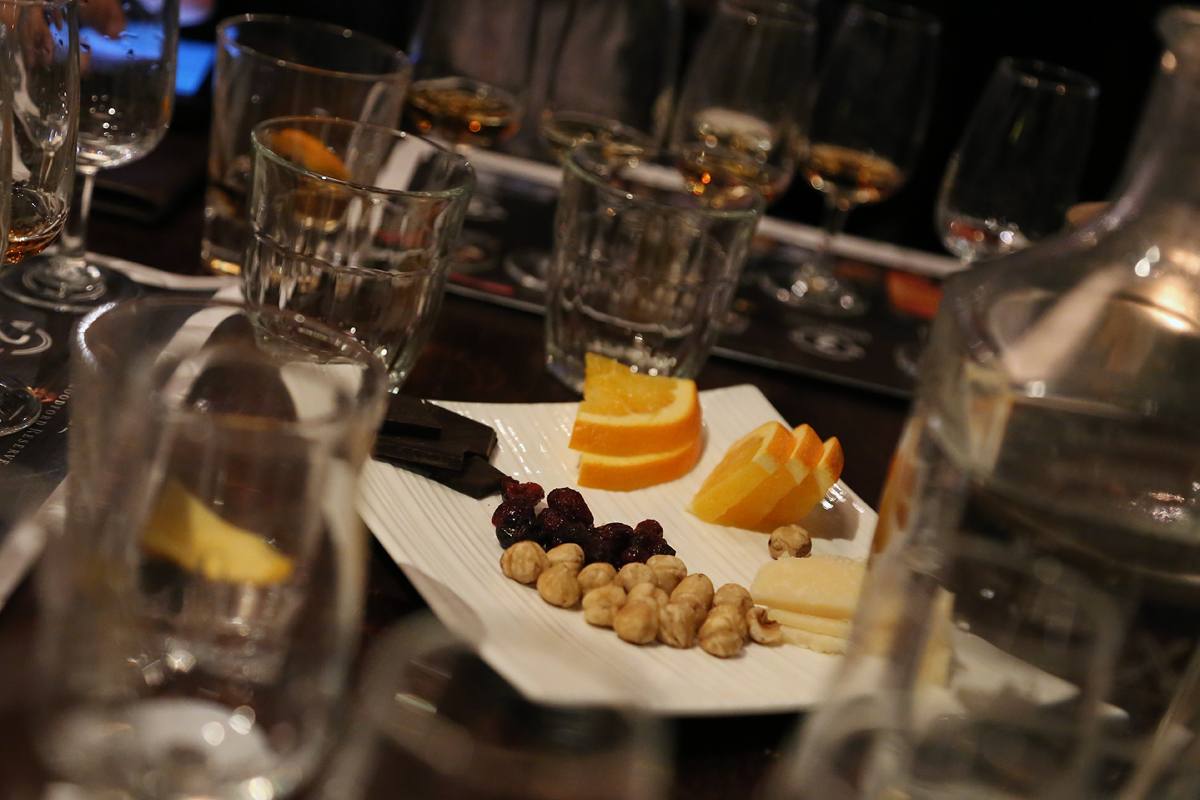
It was around this point that Stuart introduced some of the sensory tasting items he brought along, aimed at highlighting certain flavour characteristics. I picked up on the orange notes a fair bit in the Distiller’s Select, while the tart dried cranberries really emphasized the sweet caramel notes.

Woodford - Sensory

Before I move on from this one, ever wondered where the grain comes from? Probably not.. but I did and I can report the following: The corn comes from Kentucky, rye from Manitoba and barley from Wisconsin.

Maple Wood

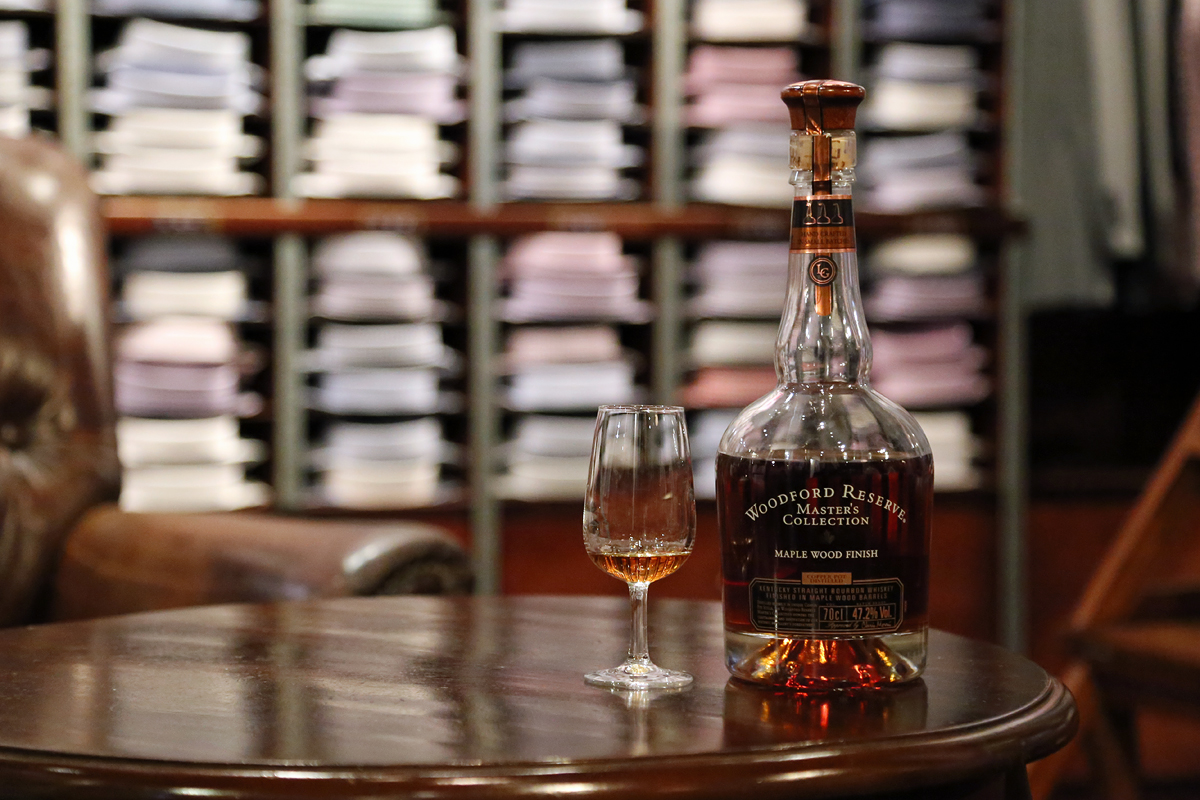
Now we’re into the big league – the first of the Master’s Collection bottlings on taste. Created as one-offs, the Master’s Collection range is never intended to be repeated.

Released in 2010, the Maple Wood expression starts life as the standard Distiller’s Select, before being finished for around 18 months in a toasted sugar maple barrel.
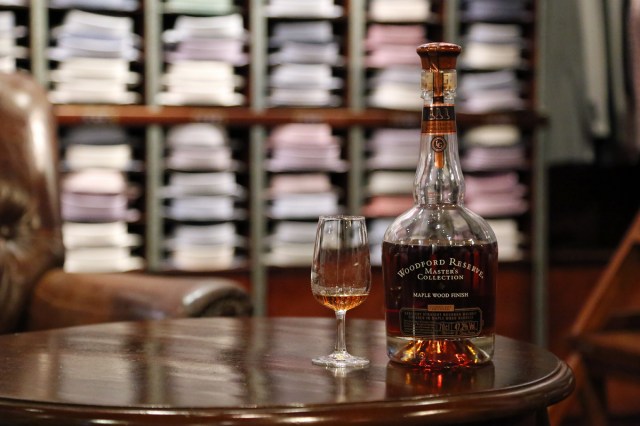
Woodford - Maple

On the nose I got some additional sweetness over the Distiller’s Select, but not in a caramel sense. More of a dark fruity syrupy sweetness, with a bit less spice. This translated to fuller palate, hints of sugared plums, fresh toffee, vanilla, cereal grains and restrained spice. At 47.2% ABV, the finish was noticeably longer.

Aged Cask Rye

Released in 2011, the Aged Cask Rye was sold in a twin pack with the New Cask Rye (coming up), so you could taste them side-by-side and taste the influence of the cask on the base spirit. A pretty neat concept in my opinion!

Woodford - Aged Rye

Made from a combination of both malted and un-malted rye, this represented another first for the distillery, being the first triple distilled 100% rye whiskey made in the world.

I got some interesting grassy notes on the nose, vanilla sweetness, crisp green apple, pineapple and hints of spice. Stuart likened this one to a young Calvados (apple brandy) and I think he was pretty spot-on with that analogy. On the palate, clean, mild citrus, dry, spice, some pepper and overall quite mild. I’ve never had a rye like this before!

New Cask Rye

Now for the comparison – exactly the same spirit as the previous version, but this time, matured in a fresh charred oak barrel and bottled at 46.2% ABV.
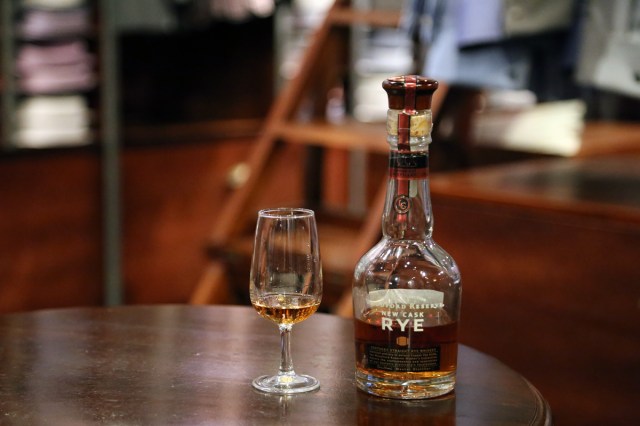
Woodford - New Cask Rye

Much sweeter on the nose, return of the Woodford caramel notes, vanilla, sweet balsamic, lots of vibrant spice, soy and hints of crisp apple. I thought this had a thicker mouth-feel, loads more caramel on the palate, spice, woody oaky flavours and a touch of cinnamon.

Interesting tidbit on these twins – although they both weigh in at 46.2% ABV, they actually entered the cask at a surprising low 43% ABV!

Four Wood

This was an interesting one. Released in 2012, as the name suggests, four different types of wood come into play.

As with the Maple Wood, this expression starts life as the standard Distiller’s Select. After seven to eight years though, a proportion is placed in a toasted sugar maple barrel for a year, another portion in ex-Oloroso sherry casks for six months and the remainder in Portuguese ruby port pipes for six months.

In the end, it’s all mingled together, bottled at 47.2% ABV and presented as the Woodford Reserve Four Wood.

Woodford - Four Wood

Sounds like it could have been the makings of total disaster, however it’s surprisingly balanced. Clear hints of port and sherry on the nose, some lovely raisin notes, vanilla, spice, caramel and still clearly Woodford. On the palate, I got some big spice upfront, followed by soaked raisin sweetness, vanilla and some malty cereal. Big sherried whisky fans would appreciate this one I reckon.

Classic Malt

To end the night, the one I had been eagerly awaiting! Released in 2013, the Classic Malt is essentially a single malt whisky, but made it the US by one of the most innovative bourbon distilleries. The mashbill is 100% malted barley, it’s triple distilled in copper pot stills and aged in used, ex-bourbon casks before being bottled at 45.2% ABV.
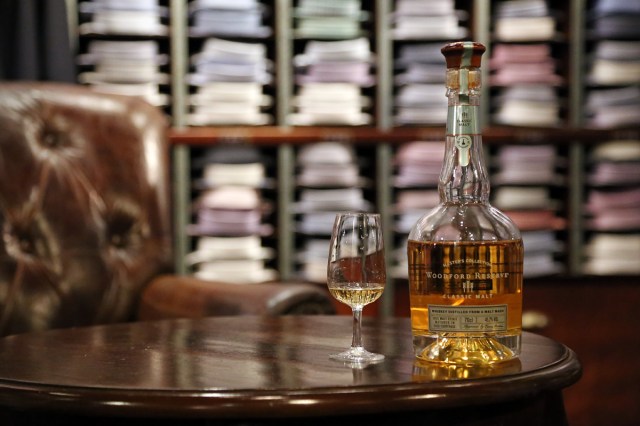
Woodford - Classic Malt

I got some serious grassy, grainy cereal notes on the nose. Lots of barley and freshly grated green apple. Reasonably thin on the palate, still quite grainy and grassy, but with an underlying sweetness and some vanilla. Not really to my taste, but quite delicate whisky, I mean, whiskey.

Andrew Derbidge, Cellarmaster of the SMWS was also in the room and likened this expression to an Auchentoshan single malt from the Lowlands of Scotland. Right on the money with that comparison in my opinion.

Some final thoughts

I’m not sure how impressive this lineup would look to someone in The States, but I have to say that we were mighty privileged to be tasting this number of Master’s Collection releases.
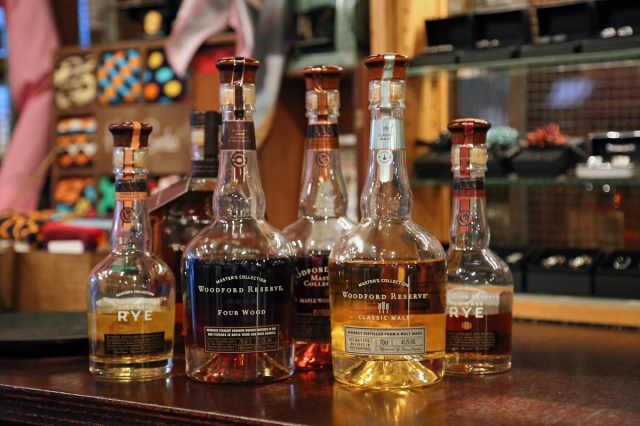
Woodford - Group

These releases are something of a rarity in Australia. You’d struggle to find these behind a bar if you wanted to taste them and if you managed to find a bottle for sale, you’d need to hand over $200+.

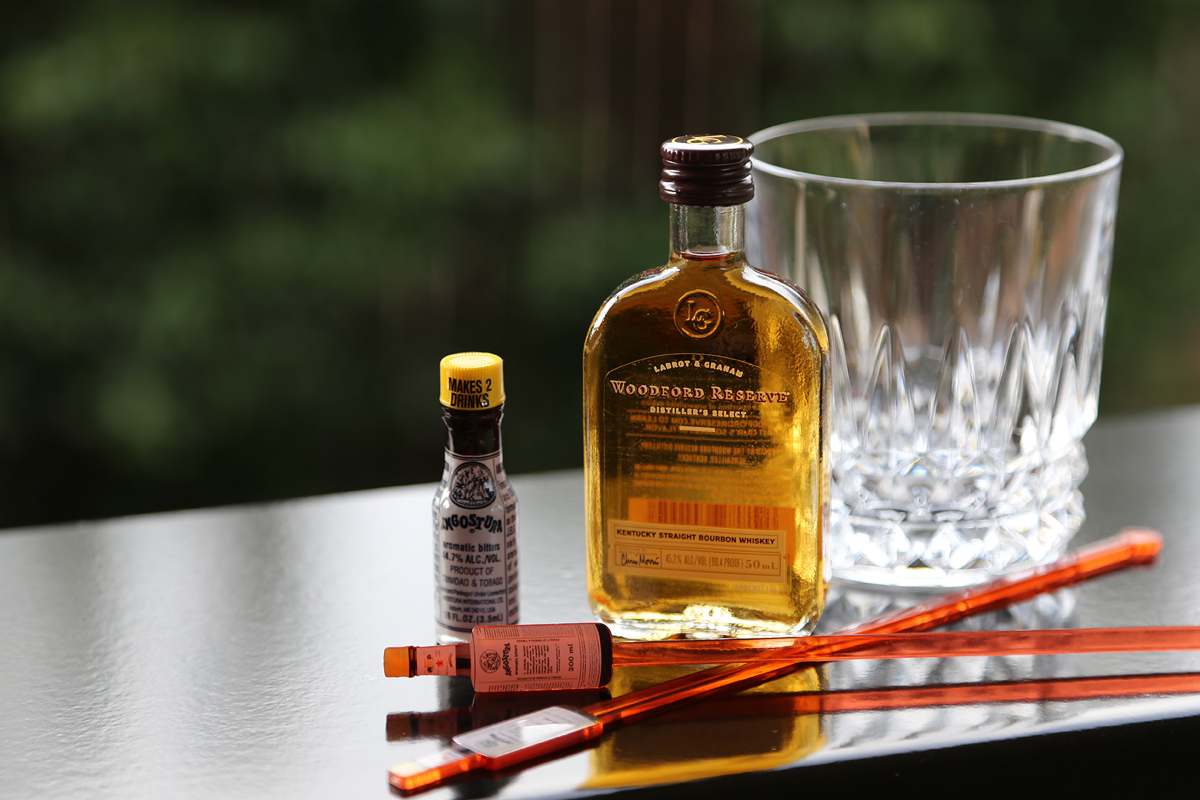
If that wasn’t quite enough, we each left with a goody bag comprising a Distiller’s Select miniature and the smallest bottle of bitters I’ve ever seen – perfect for mixing an Old Fashioned on the weekend.

Woodford - Goodies

Thanks to Stuart for presenting a highly informative tasting, sharing the story of Woodford Reserve and these fantastic bourbons (and whiskeys) with us. A big thanks to Shirt Bar as well for hosting another great evening – check out their website for info on their upcoming tastings.