Ardbeg Auriverdes

Officially released 31 May 2014, 49.9% ABV

On 31 May 2014, Ardbeg will officially release their third annual Ardbeg Day whisky, Auriverdes – the name being a nod to the golden (auri) Ardbeg whisky and the iconic Ardbeg green (vedre) bottle.

The bottle labeling also points to subtle second meaning in the name, with Auriverdes said to be ‘a winning dram’ with vanilla ‘driving the flavour home’ with this Ardbeg being a ‘kick’. In case you doubted the not-too-subtle World Cup references, then the sight of this stunning trophy – I mean – bottle will surely change your mind!

Auriverdes bottle

I guess this one can simply be called Auri.
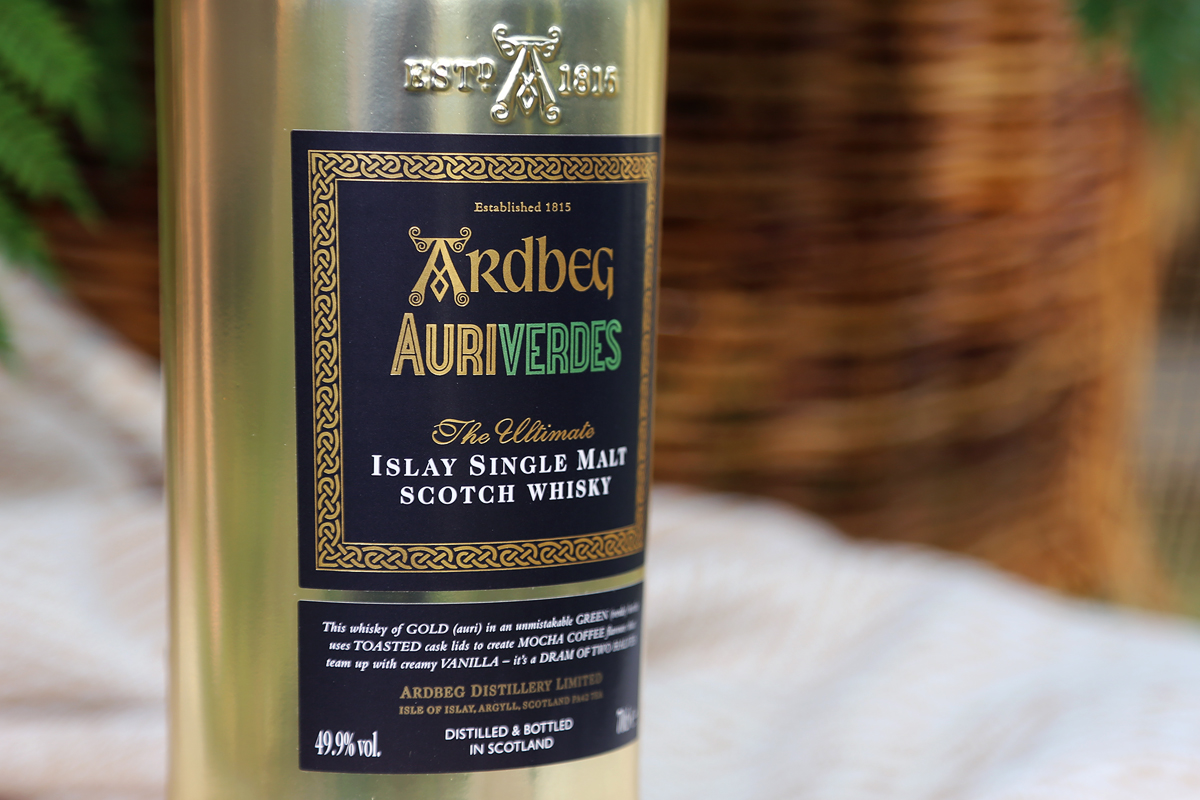
Auriverdes front label

Auriverdes is described as being a whisky of two halves, with the official release citing a new toasting technique that gives the whisky ‘a mocha coffee flavour at one end, flowing into creamy vanilla at the other’.

Auriverdes rear label

I’m thinking this could mean that cask the lids have each been charred to a different level? Until such time as I get an audience with its creator, the talented Dr Bill Lumsden, that’s just going to have to remain a guess. As for the remaining particulars, it’s bottled at 49.9% ABV following an unknown number of years of maturation in American Oak casks.

It was a bittersweet moment cracking open this bottle. On one hand, I was opening the most striking, individual looking bottle I’ve ever owned. On the other hand though, I knew it was full of Ardbeg – and no ordinary Ardbeg at that – a new expression that I was fortunate enough to get a sneak preview of, ahead of its official release. With a squeak and a th’dunk, that cork was out and a dram was poured.

Auriverdes open

It’s golden indeed! Shall we give it a taste?

Nose

Up front, I get some pretty big sweet creamy vanilla notes, milky chocolate and a slight peaty freshness (almost light in a way – not overly medicinal or earthy). After a few minutes I got some grassy hay, a dry herbal character and some hints of lemon and mandarin zest.

Palate

Quite spicy up front. A nice oiliness gives way to some pretty boisterous, tarry medicinal peat – more than I got from the nose, that’s for sure. Tangy saline emerges, along with a fair pinch of spice, zest and a subtle honey sweetness. Overall, still quite dry and fairly light.

Finish

A fairly lengthy, warming finish, albeit quite dry and slightly tannic. I got some more vanilla sweetness at first, but that seemed to fade to a good helping of ashy peat and smoked meats, which linger to the end.

Comments

Overall, I found this to be a lighter style of Ardbeg, taking some of the freshness of Ardbeg Day, but picking up on the subtle rounded notes of Ardbog. In the end though, it’s very different to both and a completely unique expression in its own right. As with the other two, I’m not sure I can liken it to anything else Ardbeg currently offer.
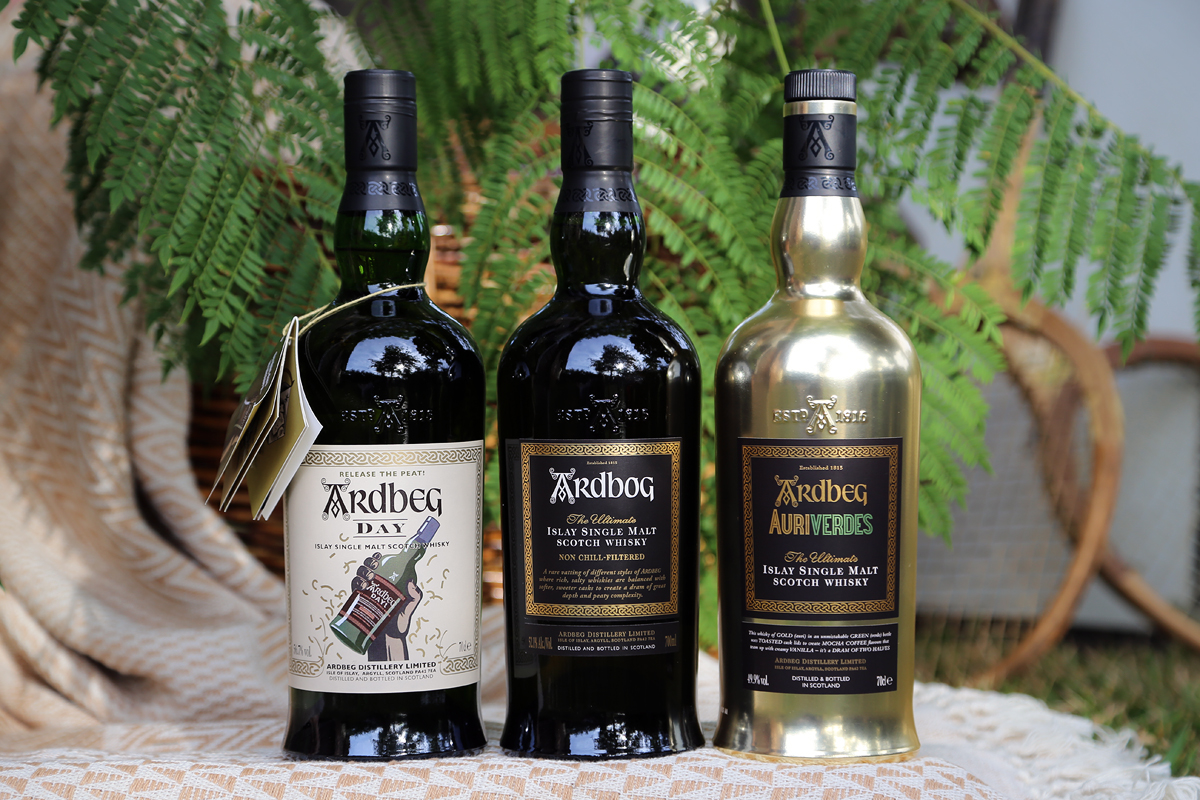
Ardbeg trio

I’m so glad Dr Bill and the Ardbeg boffins continue to mix it up and experiment with their stocks, putting their crazy ideas into practice and coming up with some pretty exciting creations.

In 31 sleeps, Ardbeg fans the world over are going to be in for a bit of a treat when this gets released. If you haven’t done so yet, sign up to the Ardbeg Committee and come along to Ardbeg Day on 31 May.

If you can’t make it – don’t fret – you can also get your hands on your very own (green) bottle of Auriverdes from specialist retailers right around the country from 31 May at an RRP of AU $135.70 (which is actually cheaper than the £80 RRP in the UK – Shh, don’t tell them!)

A sincere thanks to Ardbeg Australia for the sneak preview. Bring on Ardbeg Day!

Edit – I’ve since been advised that the RRP in Australia is actually AU $190 and not $135.70 as referenced above.

Ardbeg Ardbog

Released 1 June 2013, 52.1% ABV

In 2013, Ardbeg decided to (temporarily) rename their global day of celebration to help bring attention to the famed peat bogs of their island home and to celebrate the vital part they play in making Ardbeg the peaty pleasure that so many love.

For that reason, Saturday 1 June 2013 was coined Ardbog Day. And what should they name their limited release whisky for Ardbog Day?

Ardbog

There’s a bit of theme going on here guys!

Fans the world over eagerly awaited this release and just like Ardbeg Day the year before it, Ardbog was released globally on Ardbog Day, 1 June 2013.

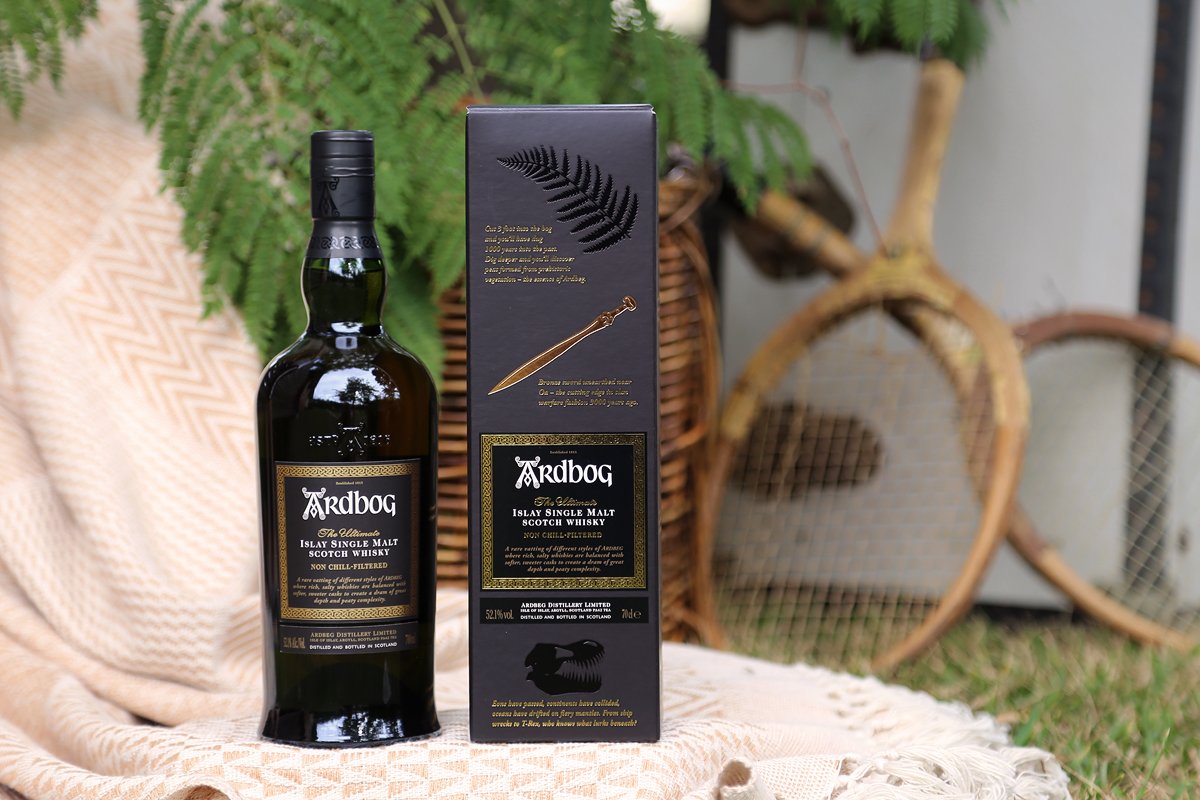
Ardbog - Bottle and Box

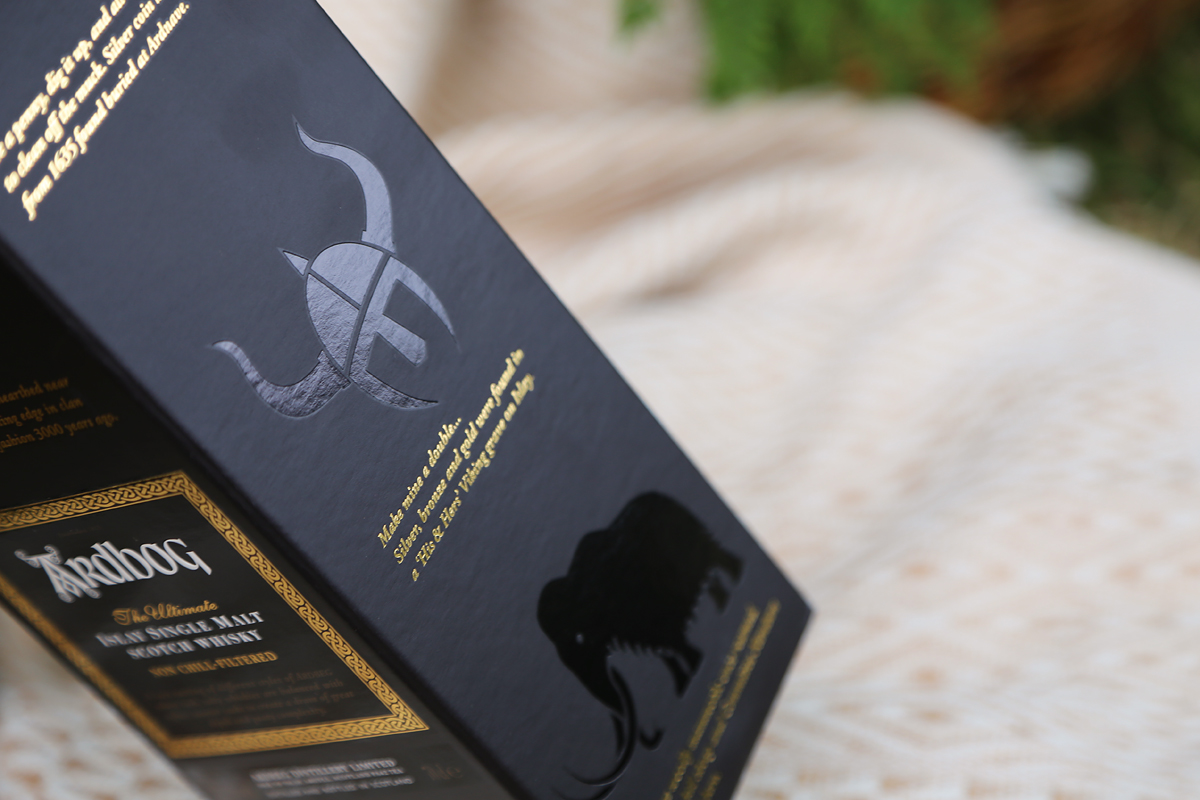
Ardbog had more of a traditional presentation this time, with the hallmark Ardbeg green bottle, dark-coloured label and black presentation box. Not one to disappoint when it comes to quirky details, the matte presentation box was covered in gloss illustrations and gold lettering spelling out interesting peat bog tidbits.

Ardbog Box

The detail continues on the inside lid, with Ardbeg’s mascot, Shortie, making one of his many appearances throughout the packaging.

Ardbog Box Lid

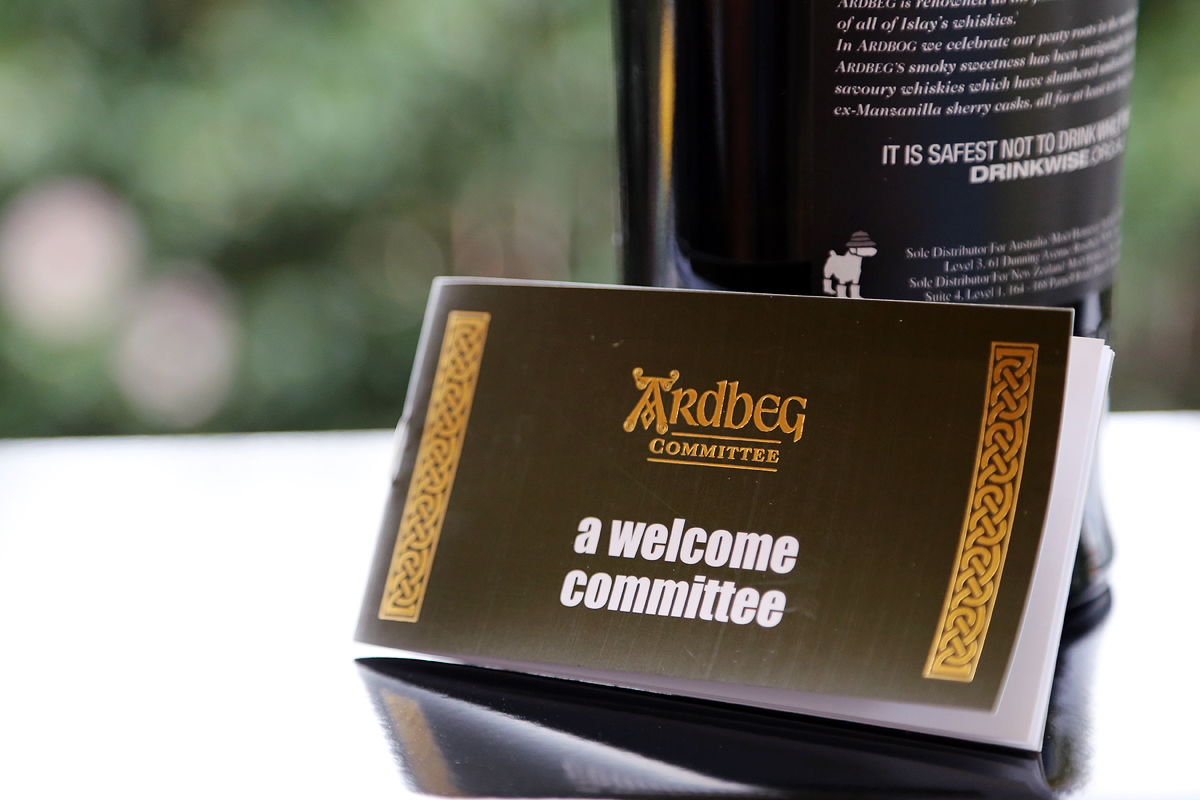
There’s also a handy Ardbeg Committee booklet inside, detailing Ardbeg’s core range and all you need to know about becoming a committee member.

Ardbog Committee Booklet

And then we get to the whisky itself. While there’s no age statement as such, Ardbog is a vatting of ten year-old Ardbeg matured in traditional American Oak ex-bourbon barrels and European Oak ex-Manzanilla sherry casks.

Vatting vs. Finishing

Finishing generally describes the process of moving the contents of one cask (traditionally an American Oak barrel), into a second cask for a short period of time before bottling. The second cask is often fresher and/or treated with an alternate wine or spirit of some sort (think sherry, port, rum, various other wines etc.) which is done to impart some more flavour and complexity into the whisky before it’s bottled.

2012’s Ardbeg Day is an example of whisky that was ‘finished’ in ex-sherry casks (for a period of six months) before it was bottled.

Vatting on the other hand generally involves taking two or more different casks of whisky and mixing them together in a vat for a period of time, before they’re bottled. In this case, Ardbog is a vatting of ten year-old Ardbeg matured in American Oak ex-bourbon casks and ten year-old Ardbeg matured in European Oak ex-Manzanilla sherry casks.

Ardbog - Glass

Nose

Quite rich, full and deep. Sherry fruitiness, hints of plum, charred peaches, cinnamon, some bonfire smoke and salty coastal notes. Slightly syrupy in nature and full of rather round, soft aromas – quite refined and balanced.

Never thought I’d say this about an Ardbeg, but I almost want to describe the nose as subtle.

Palate

Medium body mouth feel, not too hot and big on flavour. I got currants, some berries, charred woody smoke flavours, some BBQ smokiness and fragrant peat. A salty saline peat tang hits in the sides of your tongue, but nowhere near as much as many other Ardbegs – sherry sweet and salty savoury at the same time.

Finish

A touch of smoke and some salty spicy saline notes start to emerge. These hang around nicely with the residual sweetness – all of which seems to remain to the end of the medium length, warming finish.

Comments

I really enjoyed this one. If I didn’t know, I would have guessed it to be slightly older than ten years and would also guess it to be a fair bit more mature than Ardbeg Day.

As someone who enjoys a nice balance of sherry and peat, I found this one to be really quite pleasing. The vatting (as opposed to finishing) has really done wonders for it in my opinion. All of the aromas and flavours were much softer, rounder and balanced, especially when compared to 2012’s Ardbeg Day.

That being said though, I can also imagine Ardbog being a bit of a let down for some diehard Ardbeg fans, as some of those big hallmark Ardbeg flavours weren’t quite there. I appreciate distilleries playing around with the stock they’ve got and releasing exciting expressions, so that didn’t bother me in the slightest.

If only I had a bottle of the all new Auriverdes to taste…

Ardbeg Day – The Whisky

Released 2 June 2012, 56.7% ABV

To set the scene for these next few posts, each year during the Feis Ile festivities on the isle of Islay, Ardbeg have been known to release a special, limited production bottling to commemorate the celebrations.

Historically, these highly sought after bottles were only ever available to the dedicated Ardbeggians who queued up outside the distillery, but this changed in 2012. For the first time, Ardbeg made their famous Feis Ile bottling available worldwide via official ‘Ardbeg Embassies’ and coincided its release with the newly established Ardbeg Day.

What should one name the inaugural release? Ardbeg Day of course!

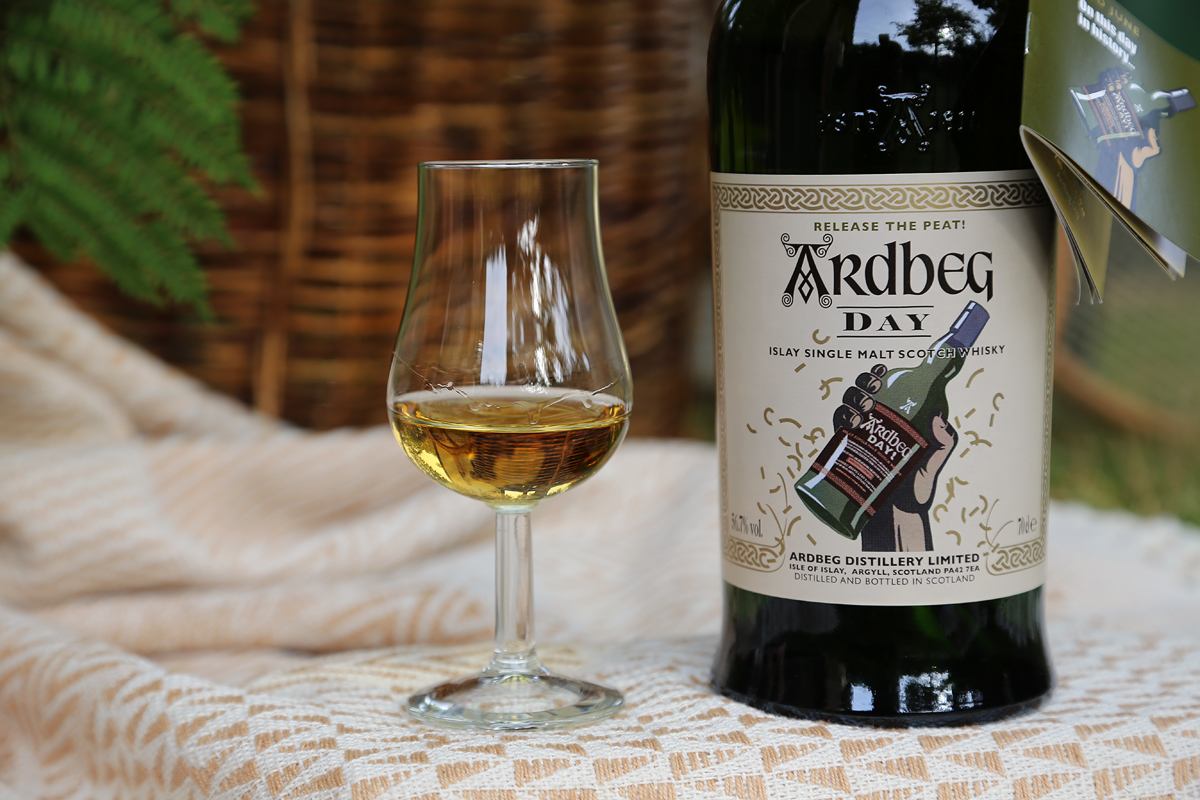
Ardbeg Day - Bottle

According to the label details, Ardbeg Day is a composition of two different expressions, finished in refill sherry casks (since said to have been ex-Uigeadail casks) and was bottled at a hefty 56.7% ABV. I’ve heard that it was limited to 12,000 bottles worldwide, but I’m yet to find any official documentation of that.

The bottle was released as bottle and swing tag only and was never presented in standard box packaging. The little swing tag booklet has some pretty quirky illustrations in it covering random historical events that ‘took place’ on the 2nd of June in years gone by

Ardbeg Day - Swing tag

There’s a sneaky footnote in the booklet though which read: ‘Ardbeg takes no responsibility for any factual inaccuracies, satisfied that the historical occurrences herein contain at least a grain of truth’.. cheeky! One we can rely on though is this

Ardbeg Day - Swing tag 2

The Ardbeg Day whisky was only available from 2 June 2012 through official Ardbeg Embassies and as you may have guessed, it sold out pretty quickly.

Ardbeg Day - Glass

Nose

Initially I found this to be quite vibrant and fresh – zesty peat right up front, some vanilla, perhaps a touch of ginger, molten sugar sweetness, some crisp hints of fruit and quite a wallop of a mineral/salty saline note. Overall, I’d describe this as quite a dry nose.

Palate

Really quite oily and viscous from the get go. Fiery, spicy and heavy on the zesty, earthy, saline peat notes right up front on the tongue. These seem to almost intensify, but I also get a hint of vanilla, some ashy coal and smoke. Not a whole of sweetness with this one, though it does show its head after a good half hour in the glass.

Finish

The peat and saline notes really intensified for me on the finish, resulting in a greatly satisfying, long, chest-warming finish. As the finish fades, still quite dry and spicy.

Comments

I found all of the aromas and flavours on both the nose and palate to be quite pointed, sharp and pronounced. To me, there’s nothing rounded or shy about this one. It tasted quite youthful, vibrant and bitey and I’d describe it as one of the more intense Ardbegs I’ve tasted.

My personal preference would be to tame this with a drop or two of water (and it seems to hold that amount of water quite well) though I do actually quite enjoy the drying intensity of it.

Two years down since its release and I still really enjoy this one, though I can’t confidently liken it to anything else that’s currently available in Ardbeg’s core range (as of 2014). It’s not totally dissimilar to Ardbeg Alligator, though that’s a bit of an unhelpful comparison as they both now command collector (as opposed to drinker) prices.

Very pleased to have been able to re-taste this one from a sample. Next up, the 2013 Ardbeg Day release – Ardbog.

Sipsmith VJOP

Gin – on a whisky blog?! What’s this un-aged spirit doing on here! Well, whisky may be my one true malty love, but I’ll always have room for a good gin, especially on a warmer than average Easter long weekend, like the one we just had.

For the diehard whisky fans out there, don’t tune out just yet – there’s an interesting little whisky connection in all of this, I promise!

And so we met

Sipsmith was established in the West London area of Hammersmith back in 2009 and so became the first copper-pot distillery to open in London in more than 189 years.

I first became acquainted with them in early 2012 after stumbling upon their London dry gin one evening at Sydney bar. I knew nothing about it at the time, but that first taste was enough for me to realise I was drinking something a little different. And I liked it!

Sipsmith Jubilee

A few months later this commemorative Diamond Jubilee bottle landed in my hands courtesy of a family member returning from the UK. I didn’t have the heart to crack it open at the time, but thankfully I didn’t need to as Sipsmith London Dry was launched nationwide shortly thereafter.

The launch coincided with a visit from one of the founding Sipsmiths – the ever charismatic Mr Sam Galsworthy – and I had the genuine pleasure of meeting him and hearing all about Sipsmith, Prudence and the gang first hand. It’s fair to say that they’ve had a Sipsmith fan in me ever since.

Things went a little quiet on the Sipsmith front, but when I saw that they’d recently released the equivalent of a cask-strength gin, I knew I had to try it.

Sipsmith VJOP

The idea for VJOP (or Very Junipery Over Proof), harks back to maritime lore and the idea of higher proof, ‘navy strength’ spirits being regarded as the good stuff. Taken from the Sipsmith website:

‘In the 1800s, navy strength supposedly referred to any spirit that wouldn’t ruin gunpowder if it accidentally sloshed onto it during choppy seas. So long as the gunpowder remained ignitable, the spirit was fine to keep on board. Since then, navy strength gins have had to clock in at no less than 57% alcohol.’ 

And so the elegant bruiser that is VJOP, was born.

VJOP Label

I’m a big fan of the overall presentation of this bottle. From the dipped wax seal, to the illustration on the label, the use of foiling and the die-cut juniper leaves that stick out to the side – there’s a lot of great attention to detail in this bottle.

In the interest of a fair review, I thought it prudent to taste VJOP side-by-side with its sibling, Sipsmith London Dry Gin, so here goes. 

Sipsmith London Dry Gin 41.6% ABV

On the nose, I got some peppery juniper, a bit of rough spice (cinnamon and cloves), some young grassy hay notes and a fair amount of citrus peel. A very crisp nose on this.

I found the London Dry to be fairly thin on the palate, starting off heavy with the citrus but fading to a drying peppery finish. I didn’t get much juniper up front, but I felt that it showed through with a bit more peppery spice toward the end. Very solid and a good reminder of why I enjoy Sipsmith so much.

Next up, its big belter of a brother – VJOP.

Sipsmith VJOP Batch 001 57.7% ABV

Very fresh on the nose, but that bitey crisp edge is now smoother and almost creamy if you will. Loads of fresh peppery juniper, citrus, lemon myrtle, some fresh cedar and a hint of dried coriander. Overall, somewhat smoother and more refined. In my opinion, it doesn’t give away its whopping 57.7% ABV at all…

VJOP tasted

… Ah! There’s that ABV. On the palate, VJOP sets those saliva glands into overdrive! Big fresh juniper hit right up front, more viscosity with fresh zingy lemon zest and maybe a hint of celery? Very vibrant and lively with a much, much longer finish. Yum!

I don’t often drink my gin neat, so it’s only fair that I put VJOP to the test in two of my favourite gin-based mixed drinks – the humble Gin & Tonic and the classic Negroni.

Gin & Tonic

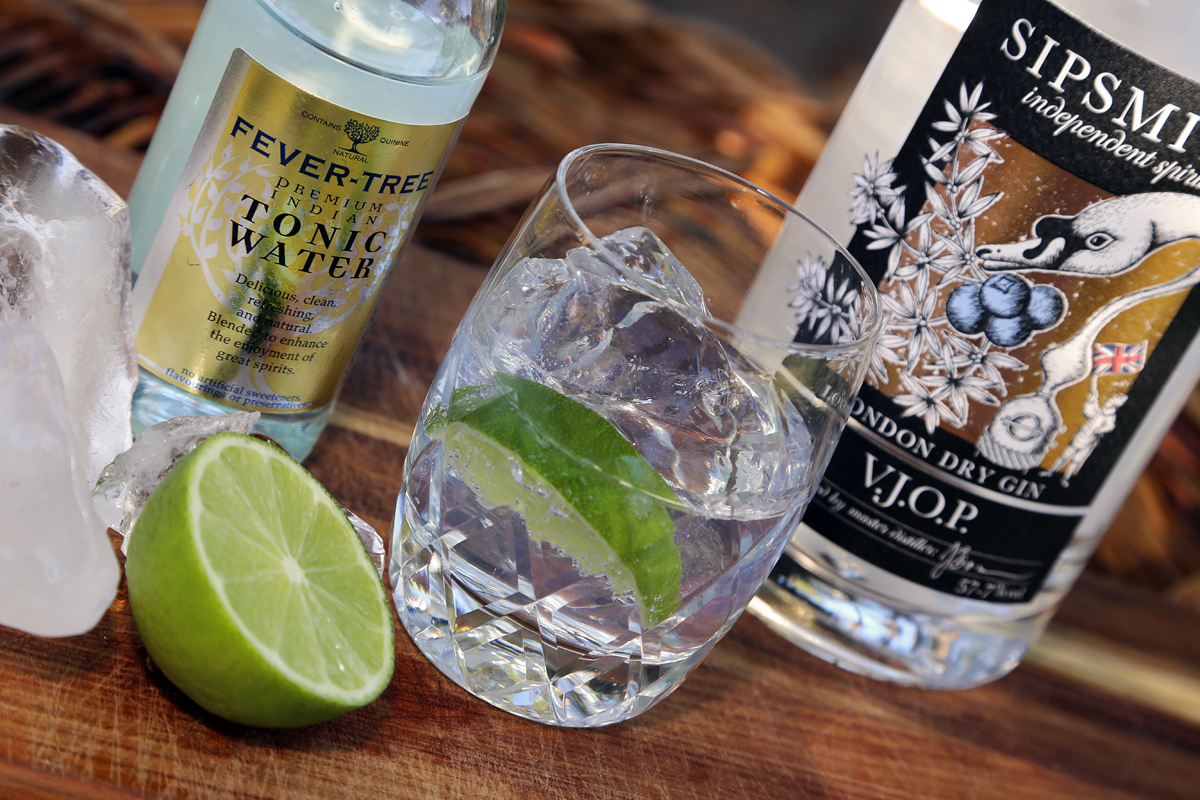
For this taste, I mixed 30ml Sipsmith VJOP, approx. 70-100ml Fever Tree Indian Tonic, a wedge of fresh lime (not squeezed), all stirred sparingly over a single large chunk of ice.

VJOP Gin and Tonic

I’m no bartender, but this was a mighty fine G&T. The VJOP/Fever Tree combo makes such a fresh, clean G&T, not dominated by any particular flavour. Not too sweet, nice and boozy with those lovely crisp juniper and coriander notes lingering long after you sip.

The Negroni

For this classic, I mixed 30ml Sipsmith VJOP, 30ml Campari and 30ml of sweet vermouth (your favourite will do the trick – I used Dolin Rouge). Stir over a single chunk of fresh ice, garnish with a twist of orange after rubbing down the rim of the glass.

VJOP Negroni

If I’m being honest, I’m often slightly let down by the Negronis I order when I’m out and about. Despite the three equal measure recipe, they aren’t always as balanced as I’d like, often being too heavy on the bitter notes, or too sweet for my liking.

This on the other hand really hit the spot. Still using the same three equal measure recipe, everything just seemed to balance in perfect harmony – drying peppery juniper, with just the right amount of bitterness and sweetness for my tastebuds. A strong concoction, but oh so tasty.

The whisky connection

Ok, so here goes – when the chaps at Sipsmith were in search of an inner London location to set up their distillery, they looked at a number of different places before finally settling on a quaint little blue and white garage in Hammersmith, north London.

1161-sipsmiths-alastair-wiper-40
Image the property of Sipsmith 

As it so turns out, the former occupant of this very location was the late great whisky writer, Mr Michael Jackson, who still holds the title of writing some of the best-selling whisky books of all time.

Some final musings

In short, this is a belter of a gin.

I wouldn’t consider myself a true gin connoisseur, but I’ve tasted more than enough to know what I do and don’t like and Sipsmith VJOP is certainly up there with the very best in my opinion. I like my drinks fairly strong and defined and for that reason, VJOP really suits my tastes to a tee. It might not be for everyone, but if you’re a fan of a juniper heavy gin, or a rather boozy and heady gin-based cocktail, then I’m fairly confident this will delight.

I’ve heard that the very first batch of VJOP was a Japanese market exclusive, bottled at a moderate 47.7%. It proved extremely popular and was quickly followed by 52% ABV batch #2 which flew off the shelves just as quick. Thankfully, the 57.7% ABV version now looks like it’s here to stay.

If you’re in Australia, I’ve heard that there might be one or two bottles available at the Oak Barrel in Sydney, otherwise keep your eyes peeled for a bottle on the shelf behind your favourite bar or boutique bottle shop.

A big thank you to Jye from Hippocampus Memorable Drinks for uniting me with a bottle of this very special gin. I’ll be savouring this one ‘till the last drop. Simply delicious.

New Ardbeg Supernova

Could it be? A new Ardbeg Supernova? It’s certainly looking that way.

The original 2009 and 2010 Ardbeg Supernovas are noted down in the history books as the peatiest Ardbegs ever released, peated to more than 100 part per million. That could very well change though, as it appears that Ardbeg is getting ready to launch an all new SN2014 release in the not too distant future. Supernova frontSupernova rear

Details are scarce, but if the labels are anything to go by, it looks like we could have a new SN2014 Supernova on our hands which will be bottled at 55% ABV. If that’s the case, it’ll be slightly down on both the SN2010 release (60.1% ABV) and SN2009 release (58.9% ABV).

However, there’s something interesting to note on the rear label, as it looks like there’s some sherry-matured stock in the new release. A beefed-up, peat-laden Uigeadail on steroids perhaps? I guess we’ll just have to wait and see.

No further details at this point, but label approval appears to have been granted in the US on 8 April 2014. I’m sure we’ll be hearing more about this one in no time! I can’t wait!