Glenfarclas 15 year old

15 years old, 46% ABV, ex-Oloroso & Fino Spanish Oak casks, Highlands, Scotland 

The Whisky Exchange in London have recently voted the Glenfarclas 15 their whisky of the year, so I thought I’d explore my experience with this sherry bomb.

Glenfarclas 15

The presentation is pretty straightforward and classic. The burgundy, cream and red colours are accented by some copper-foil on the label and tin. It’s a pretty rich and regal colour palette, but then so too is the whisky, so it’s rather fitting!

Glenfarclas tin

Nice copper coloured tin closures with the intertwined J&G Grant logo, which is also repeated on the back label.

Glenfarclas label

I really like the simplicity of this line drawing of the distillery.

These notes were after the bottle had been opened for a good ten months or so, sitting at about half full.

Nose

Rich raisin notes with a hint of sourness – almost reminds me of tarty grapes or even kiwi fruit. Also had some cinnamon spice notes mixed in with the spiciness from the 46% alcohol content. I didn’t find the nose overly sweet, but there was a slight toffee/vanilla/oak note in there somewhere and a hint of wood smoke.

A very rich nose on this one after seven months and if I didn’t know what it was, I would have guessed it was older than 15 years.

Palate

Initially fairly oily before it gives way to rich fruit sweetness. I didn’t find it sweet in sugary sense of the word, but more like a natural stewed fruit kind of sweetness, with hints of charcoal. This is followed by some cinnamon/oak spice notes that linger in a tongue tingling kind of way.

Finish

The spice tingle continues with waves of long-lasting warmth down to the top of your chest, leaving you with a buttery/creamy mouth. After a good few minutes I also got some faint oaky bitterness, almost like a bitter almond note and some really faint residual wood smoke.

Comments

After trying a sherry oak Macallan and falling in love with it, I immediately went out in search of other heavily sherried whiskies. One popped up time and time again on various forums and that was the Glenfarclas 15year old. Without hesitation I tracked down a bottle and bought it.

At the time, I just thought ‘well Macallan is heavily sherried and the interwebz tells me that Glenfarclas is heavily sherried, so they must be the same! Awesome.’

When I got around to opening the Glenfarclas, I almost felt let down. ‘Where’s all that toffee sherry sweetness!?’ I tried to get into it a few more times over the coming weeks, but ultimately stashed in the back of the cabinet and left it for a good six months. In that time, the bottle really opened up – but more than that – so too did my understanding of sherried whiskies and whisky in general.

They were a similar age, both ex-sherry cask and both from a similar region in Scotland. But in a way, that’s where the similarities ended for me. Where the Macallan was lighter, toffee sweet and smooth, the Glenfarclas was big, rich and more complex, with hearty fruit and oak notes and a hint of warming spice.

I still love the Macallan, but I also love this, for very different reasons. One of those reasons being that the Glenfarclas was one of the first whiskies to really open my eyes to the vastly different flavour profiles out there and complexity that can be found in a whisky. This is a go-to winter whisky for me and now that my bottle is empty, I can definitely see it be replaced by another ‘farclas before too long.

A very whisky Christmas

Christmas is just around the corner, so that means some DIY whisky-themed gifts are in order.

DIY Gift

I’m aiming to put together some little tasting kits for a few family members and friends, complete with a Glencairn glass, water pipette and some basic tasting notes. Now to just decide on which whiskies to include. Finished product to follow shortly!

Bottles, labels, boxes

Some die-hard enthusiasts say they couldn’t care less about the packaging of their whisky. I can sort of understand that. Whisky is a beverage and you don’t consume the packaging, so if you find a certain flavour profile you like, then who cares what it looks like, right? But I suppose in a visual and tactile sense, we do actually consume the packaging in a way.

I’ve never bought a bottle purely based on its appearance (and can’t imagine I ever would), but I certainly do pay a lot of attention to the packaging.

Whilst a dedicated farmer has spent time growing the barley, an experienced cooper has spent time preparing the barrels and a master blender spends time sampling the maturing stock, the production of whisky doesn’t stop there. It’s still yet to be bottled, labelled, packaged and marketed to us, the consumer, before we get to enjoy it – and a skilled someone is also responsible for that.

From the global drink giants like Diageo and Pernod, to the family owned distilleries like Glenfarclas and Springbank – someone out there spends time creating the bottles, designing the label artwork, researching the story and history behind the distillery and conveying this in their own unique way.

The point of this ramble is just to show some appreciation and recognition to those who make our whisky look good. I for one notice your work and am not afraid to admit that I really enjoy looking at your bottles and packaging as I remove them from the cabinet, uncork them and ultimately enjoy their contents. I care what my whisky looks like and will continue to photograph it and post up plenty of pictures of the bottles, labels and boxes that catch my eye.

The best of the rest

What better way to spend a weeknight than with some fine whisky. That’s exactly how a recent Wednesday evening panned out for me, with the Oak Barrel in Sydney holding their final whisky masterclass for the year – The best of the rest.
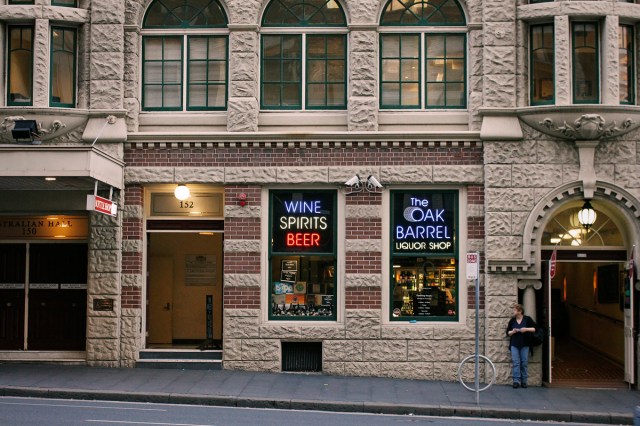
The Oak Barrel

Throughout the year, Dave (the Oak Barrel’s grand whisky master – probably not his title, but we’ll pretend it is) puts on a series of different masterclasses and 2013 saw some stunners. Among others, there was the Glendronach single cask masterclass at the beginning of the year. The smoke stack and smoke signal classes, exploring all things peaty (not just Islay peat) and the sherry and sherried whisky class – pairing sherried whiskies with their sherry counterparts (think fino, oloroso, pedro ximenez etc.)

As the year draws to an end though, there were some great whiskies discovered in 2013 that hadn’t had their chance to shine, so this was their night. Here are some short notes on the six tasted.

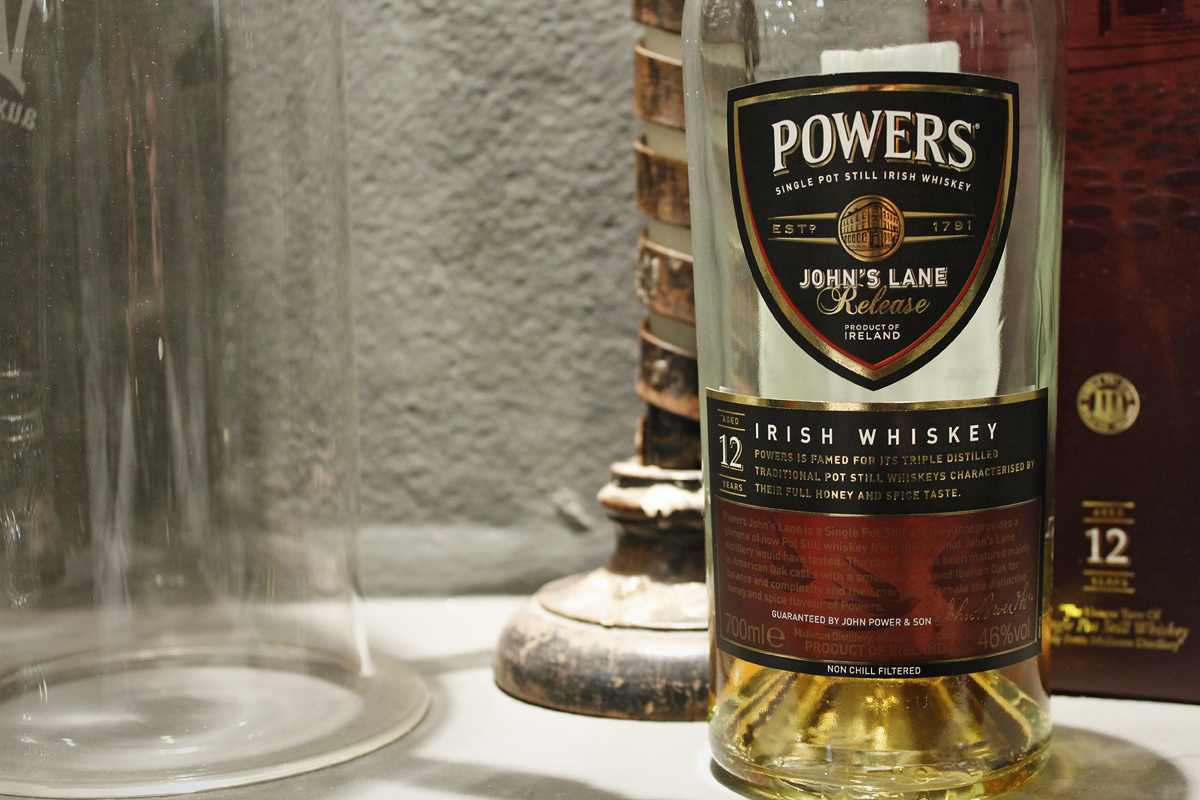
Powers John’s Lane
12 years old, 46% ABV, Bourbon & Oloroso sherry cask, single pot still, Ireland

First cab off the rank was one I’d head of, but never considered trying. Not that I have anything against Irish whiskey, but I think sometimes it can be really easy to get caught up in hype surrounding Scottish single malts and inadvertently ignore some of the other fantastic whiskies out there. Thankfully, this single pot still Irish whiskey brought that to my attention and has made sure that I wont be making that mistake again!

Powers

On the nose, this Powers was quite soft and creamy, yet fruity (in a fresh fruit salad kind of way). This was followed by some whiffs of spice (think cinnamon) and a hint of honey. A really enjoyable, delicate nose on this one for sure. The palate blows you away – coating your tongue with rich, oily fruit and big cinnamon and spice notes. This fades to a creamy vanilla and subtle sweetness on the finish. So surprising given the delicate nose!

Dave really nailed it when he simply described this one as ‘elegant’.

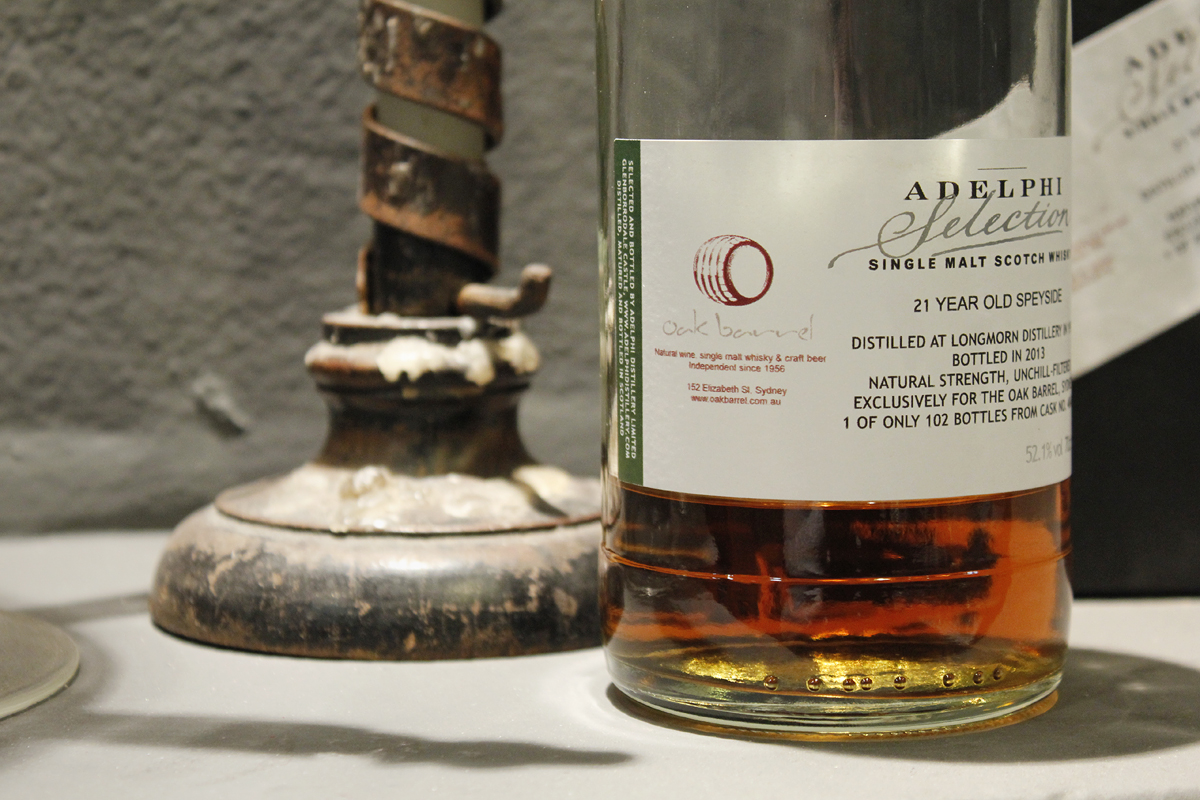
Adelphi Longmorn
1992, 21 years old, 52.4% ABV, American Oak ex-sherry cask, Oak Barrel Sydney exclusive, Scotland

Adelphi Longmorn

Adelphi are known for some of the finest independent bottlings out there and this one was no exception, bottled exclusively for the Oak Barrel in Sydney. As far as I’m aware, they’re the only bottle shop in Australia that’s had their own bottling done, so it’s pretty special!

It was a great example of an older Longmorn from the days when their stills were coal fired (ie. when some poor bloke had to shovel mounds of coal into a fire under the still to keep it running).

On the nose, the main note I got was sourness. Not in an unpleasant way, but think sour green apples in candy format crossed with apple cider vinegar and hints of toffee sweetness. I’ve never nosed a whisky like this before – really quite interesting. The nose translated to massively palate – big initial alcohol spice, followed by chewy toffee and mild oak notes fading to a creamy soft finish.

Glendronach Cask Strength
Batch 1, released 2012, NAS, 54.8% ABV, Oloroso & Pedro Ximenez cask, Scotland
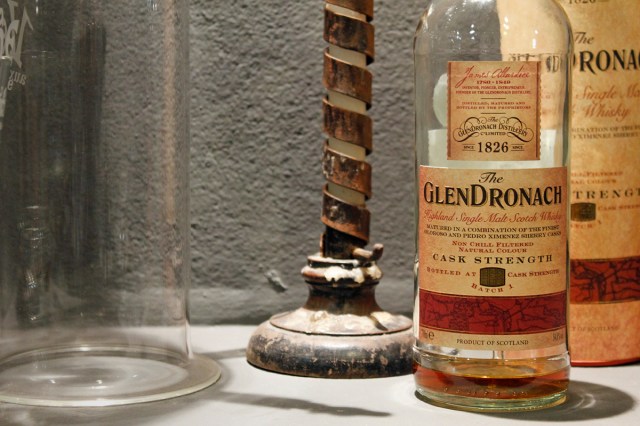
Glendronach CS

Boom! (yes, I did actually write that in my whisky ledger) This has a rich nose. Think high cacao dark chocolate, rich raisins and leather. Despite a higher ABV than the Longmorn right before it, the alcohol really wasn’t that apparent on the nose. This huge nose carries through to the palate, with plenty of dark fruits and cinnamon spice.

Interestingly, Glendronach spirit is actually slightly peated to around 14 parts per million (ppm) – peat monsters like Ardbeg and Laphroaig are around 45 ppm – yet time in quality sherry casks really pulls it back and takes away that peat edge.

Heartwood Convict Redemption
Batch 1, bottle No. 72, released 2013, 12 years old, 72.5% ABV, Port cask, Australia

I guess you can think of Heartwood as an Australian independent bottler; they buy up some highest quality casks they can find then mature some of the finest Tasmanian whiskies in those casks, bottling them when they think they’re just right.
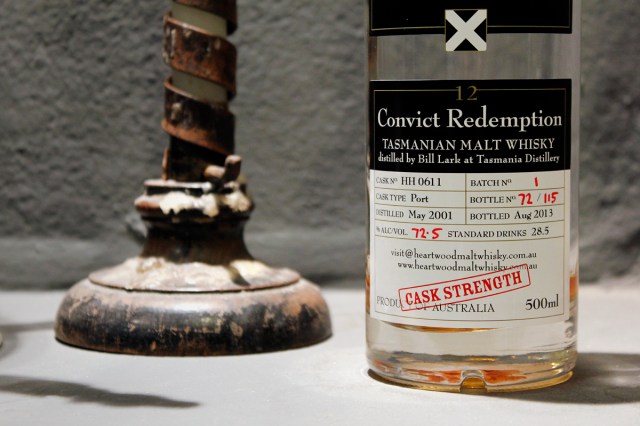
Heartwood

That ABV is not a typo (check the picture!), The Convict Redemption was indeed bottled at a humungous 72.5%. How’s that so? It turns out the angels in Tasmania are a bit different to those in Scotland and like to help themselves to a big chunk of water each year. This was originally casked at around 63%, but after 12 years of maturation it lost more water content than alcohol, resulting in this massive ABV.

Very expressive on the nose. There’s no hiding from that alcohol, but you also get some earthy notes, rich fruits from the port cask maturation and weirdly, a hint of garlic? Yes, garlic! The garlic doesn’t carry through to the palate (thankfully), but that massive ABV does, stunning your tongue and making you salivate, helping release those chewy toffee and fruit notes hiding underneath.

I must admit, this was a little bit too full-on for me, but I can understand why this is sold out and has a local cult following. I’ll definitely be keeping my eye out for future Heartwood releases.

Glendronach 1978 single cask
1978, 33 years old, Cask No. 1068, 52.9% ABV, Oloroso sherry puncheon, Scotland

Next up was the 1978 single cask Glendronach, which had me all kinds of excited.

Glendronach 1978

Look at that coca-cola colour! If I were to try and sum up the nose on this in one word, I would simply say ‘deep’. I felt like I couldn’t jam my nose deep enough into that glass, I just wanted to nose it more and more and more.

I don’t know that I ever really understood the concept of a ‘complex nose’, but after nosing this, I fell like I finally get it. The more you sniffed, the more the nose changed and the more you got out of it – and not just one scent profile. Think kiwi fruit, rich figs, dark chocolate, wet brown sugar and antique furniture – yes, you really could smell those things. Quite amazing really.

This translated to rich, yet soft palate that started off with an almond nutty-bitterness, followed by rich red winter fruit and brown sugar (minus the sweetness – if that’s possible?) You really could get lost in this whisky.

Kilchoman Loch Gorm
1st release 2013, NAS (5 years old), 46% ABV, Oloroso sherry cask, Scotland

The final whisky of the night was the recently released Kilchoman Loch Gorm. Kilchoman is the first distillery to be opened on the island of Islay on 124 years and their young whiskies have come out swinging. I first became acquainted when I met their Machir Bay and it well and truly took me by surprise. So when I heard about this new offering, matured in oloroso sherry casks for five years, before a further two months in fresh sherry casks, I couldn’t wait to try it.

Loch Gorm

I approached this expecting something like Ardbeg Uigeadail – sherry and peat – and I was way off the mark. Despite that amazingly rich sherried colour, the nose is surprisingly void of sherry notes?! Instead, I got rich peat smoke, almost bbq like with some meaty notes in there and some saltiness.

Interestingly, the sherry influence pops up and says hello when you taste it – rich sherry sweetness, smoke and tobacco flavours fading to a long, lingering wood smoke finish. This one really, really took me by surprise. The Kilchoman range is a great example of how good young whisky can be.

Overall

What a great way to round out the year. The Powers was the biggest surprise for me and I’ve no doubt I’ll add a bottle to the cabinet at some point. But the 1978 Glendronach was the highlight of the evening for me. Not because it was old, not because it was rare and not because it was expensive. But because it really was an eye-opening whisky, with so many layers and just so much going on – something you don’t encounter often and are never sure when (or if) you’ll ever encounter again.

Thanks again for your time and effort Dave. See you in 2014!

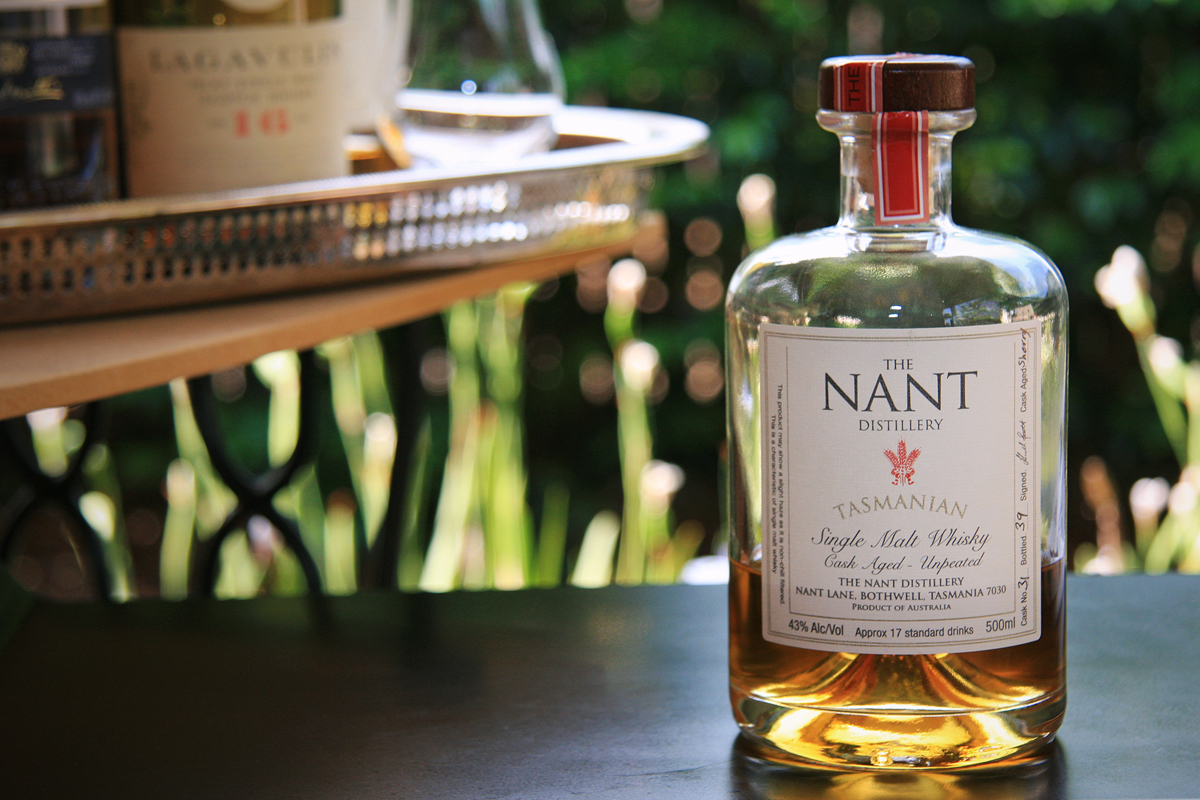
Nant Sherry Cask

Distillery bottling, 43% ABV, cask No. 31, bottle No. 39, NAS, Central Highlands, Tasmania

Seeing as though The Whisky Ledger is based in Australia, I thought it would be fitting to make one of the first entries a local whisky. This little gem hails from Australia’s only ‘highland’ distillery, Nant, which can be found in a quaint little Tasmanian town called Bothwell.

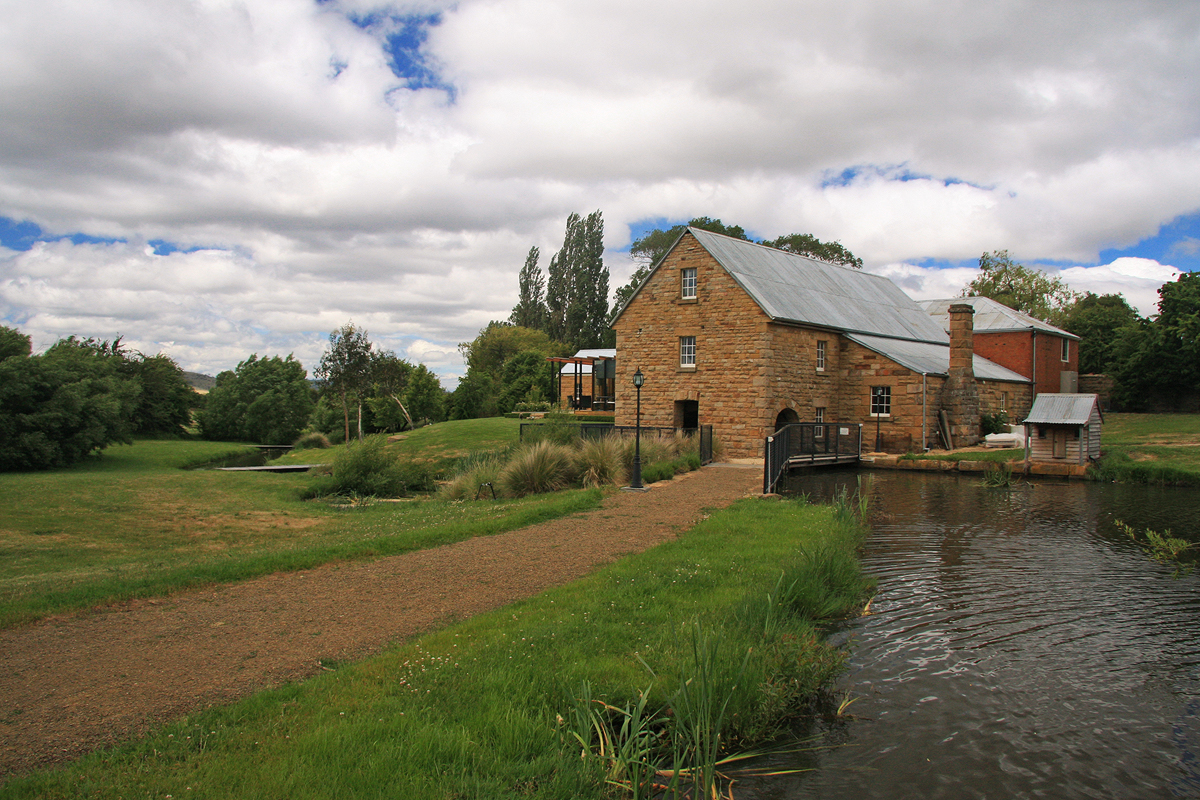
After heading an hour north of Hobart, you put your faith in your GPS and turn off a sealed road onto a slightly dodgy-looking dirt and gravel track. After a bit, your GPS starts blinking and telling you that you’re no longer driving on a road of any description. Stones start to flick up and clank against the side of your car and you start thinking about that little clause in your hire-car contract about avoiding roads like this… then before you know it, you’re greeted by this.

Nant

I could go on for pages about the distillery itself, it’s just spectacular and has some great history behind it. I’ll save that for another time though, as this post is all about the liquid.

Nant bottle

The Nant single malts have an almost apothecary styled presentation, not all that dissimilar to the Elements of Islay bottling. I like the fact they’ve gone down this path with a squat, broad bottle – something a bit different to your classic taller single malt bottles.

Nant label

This particular bottle was from an American oak sherry cask, which was cut down and re-coopered in Australia to a size of 100 litres. The labels are hand numbered with batch and bottle numbers, so you really know that you’re about to sample some small-batch, craft distilling.

Nose

Easy to tell it’s a sherry cask, but quite different from the sherried nose you get on a Scottish single malt – it’s sweeter, lighter and slightly creamy – not that all out rich red-fruit kind of nose. You could almost say it’s got sherried-bourbon characteristics, which could have something to do with the fact it’s matured in an American Oak cask (albeit, an ex-sherried one). Really easy to nose this one for a while.

Palate 

The nose carries through to the palate pretty well – nice medium mouth feel to it with some oils, initial sweetness, followed by spice and light alcohol burn. This release was pretty young (around three to four years), but it certainly doesn’t lack character.

Finish

The palate fades reasonably quickly to a long and slowly warming finish – you get this great, tingle at the front of your tongue, accompanied by a slightly creamy sherry coating at the back that just lasts and lasts.

This bottle has been open for around a year and has really evolved. At first it was a bit on the thin side and the younger spirit shone through, but with some air it’s really opened up and matured. It’s got some nice body to it now and those creamy sherry notes have become more pronounced.

I recently had the pleasure of re-trying their bourbon barrel cask-strength (which rates in the mid-90s by Jim Murray) and a port-cask version, bottled at 48% which had a pretty amazing palate to it.

There’s some really good stuff coming out of them there hills – one to keep an eye on for sure.