Ardbeg Auriverdes

Officially released 31 May 2014, 49.9% ABV

On 31 May 2014, Ardbeg will officially release their third annual Ardbeg Day whisky, Auriverdes – the name being a nod to the golden (auri) Ardbeg whisky and the iconic Ardbeg green (vedre) bottle.

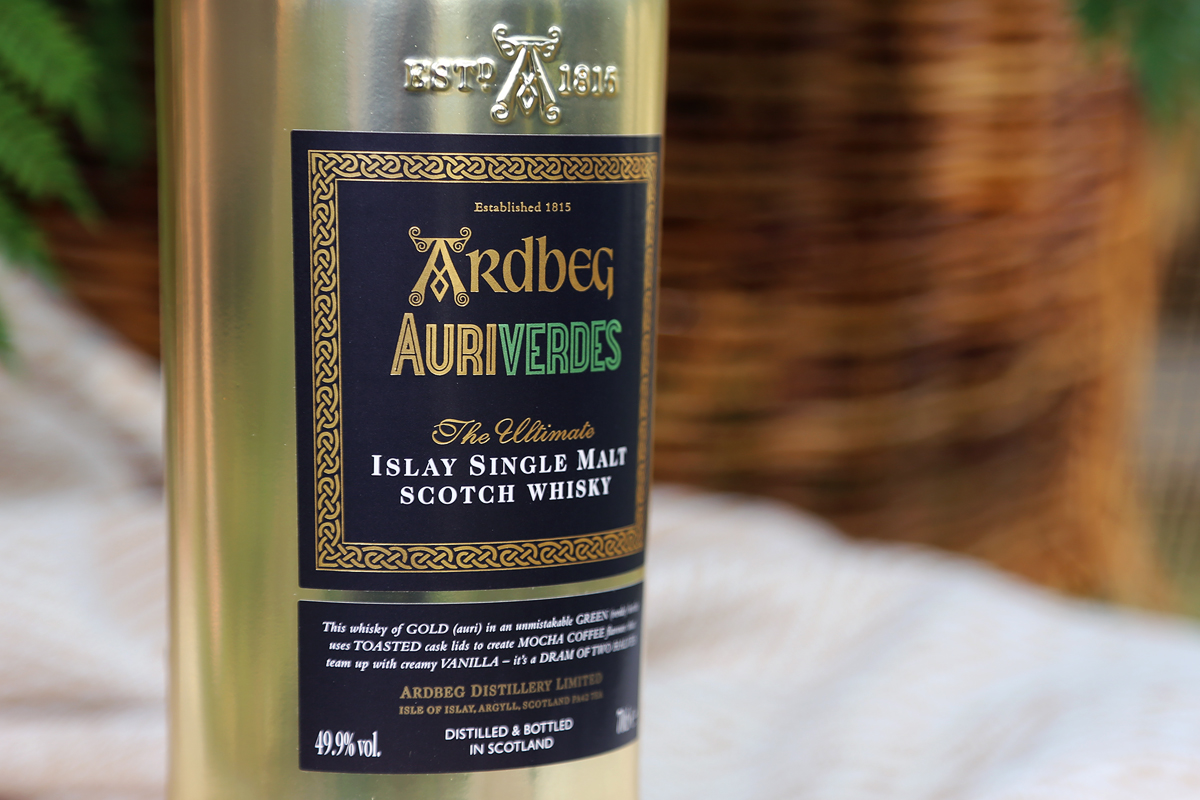
The bottle labeling also points to subtle second meaning in the name, with Auriverdes said to be ‘a winning dram’ with vanilla ‘driving the flavour home’ with this Ardbeg being a ‘kick’. In case you doubted the not-too-subtle World Cup references, then the sight of this stunning trophy – I mean – bottle will surely change your mind!

Auriverdes bottle

I guess this one can simply be called Auri.
Auriverdes front label

Auriverdes is described as being a whisky of two halves, with the official release citing a new toasting technique that gives the whisky ‘a mocha coffee flavour at one end, flowing into creamy vanilla at the other’.

Auriverdes rear label

I’m thinking this could mean that cask the lids have each been charred to a different level? Until such time as I get an audience with its creator, the talented Dr Bill Lumsden, that’s just going to have to remain a guess. As for the remaining particulars, it’s bottled at 49.9% ABV following an unknown number of years of maturation in American Oak casks.

It was a bittersweet moment cracking open this bottle. On one hand, I was opening the most striking, individual looking bottle I’ve ever owned. On the other hand though, I knew it was full of Ardbeg – and no ordinary Ardbeg at that – a new expression that I was fortunate enough to get a sneak preview of, ahead of its official release. With a squeak and a th’dunk, that cork was out and a dram was poured.

Auriverdes open

It’s golden indeed! Shall we give it a taste?

Nose

Up front, I get some pretty big sweet creamy vanilla notes, milky chocolate and a slight peaty freshness (almost light in a way – not overly medicinal or earthy). After a few minutes I got some grassy hay, a dry herbal character and some hints of lemon and mandarin zest.

Palate

Quite spicy up front. A nice oiliness gives way to some pretty boisterous, tarry medicinal peat – more than I got from the nose, that’s for sure. Tangy saline emerges, along with a fair pinch of spice, zest and a subtle honey sweetness. Overall, still quite dry and fairly light.

Finish

A fairly lengthy, warming finish, albeit quite dry and slightly tannic. I got some more vanilla sweetness at first, but that seemed to fade to a good helping of ashy peat and smoked meats, which linger to the end.

Comments

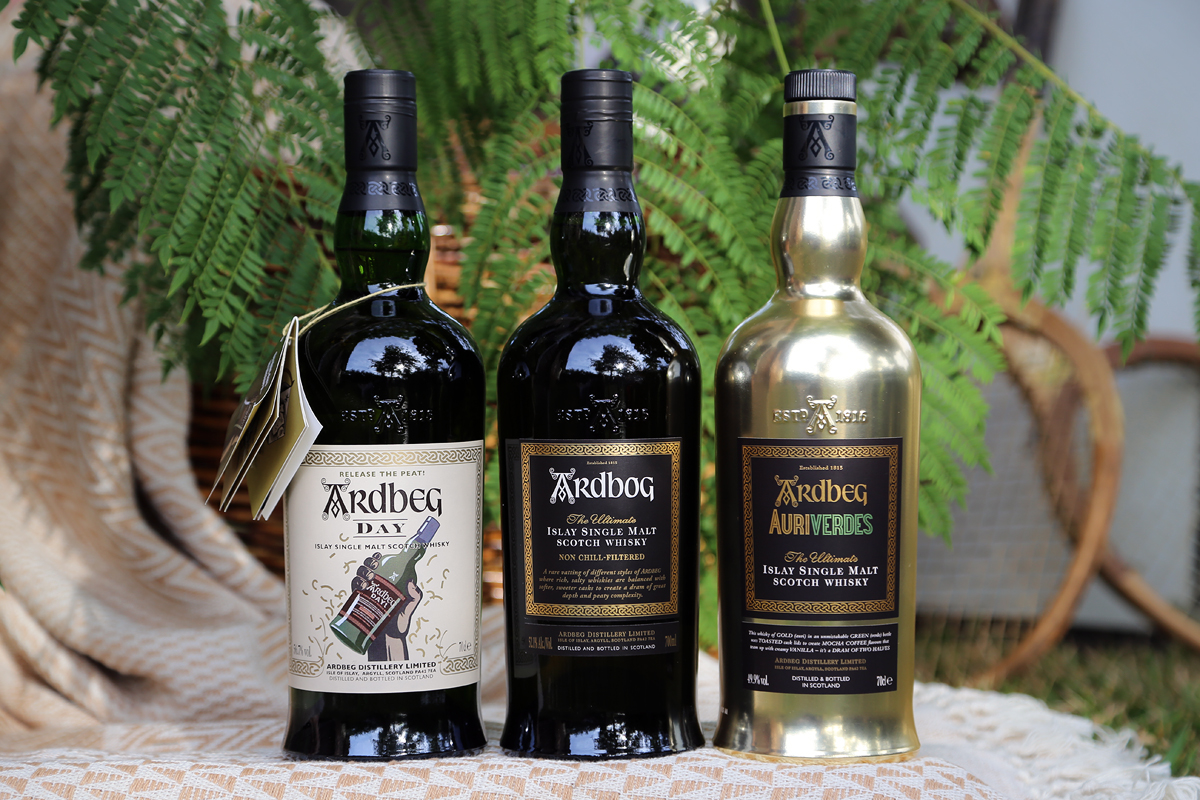
Overall, I found this to be a lighter style of Ardbeg, taking some of the freshness of Ardbeg Day, but picking up on the subtle rounded notes of Ardbog. In the end though, it’s very different to both and a completely unique expression in its own right. As with the other two, I’m not sure I can liken it to anything else Ardbeg currently offer.
Ardbeg trio

I’m so glad Dr Bill and the Ardbeg boffins continue to mix it up and experiment with their stocks, putting their crazy ideas into practice and coming up with some pretty exciting creations.

In 31 sleeps, Ardbeg fans the world over are going to be in for a bit of a treat when this gets released. If you haven’t done so yet, sign up to the Ardbeg Committee and come along to Ardbeg Day on 31 May.

If you can’t make it – don’t fret – you can also get your hands on your very own (green) bottle of Auriverdes from specialist retailers right around the country from 31 May at an RRP of AU $135.70 (which is actually cheaper than the £80 RRP in the UK – Shh, don’t tell them!)

A sincere thanks to Ardbeg Australia for the sneak preview. Bring on Ardbeg Day!

Edit – I’ve since been advised that the RRP in Australia is actually AU $190 and not $135.70 as referenced above.

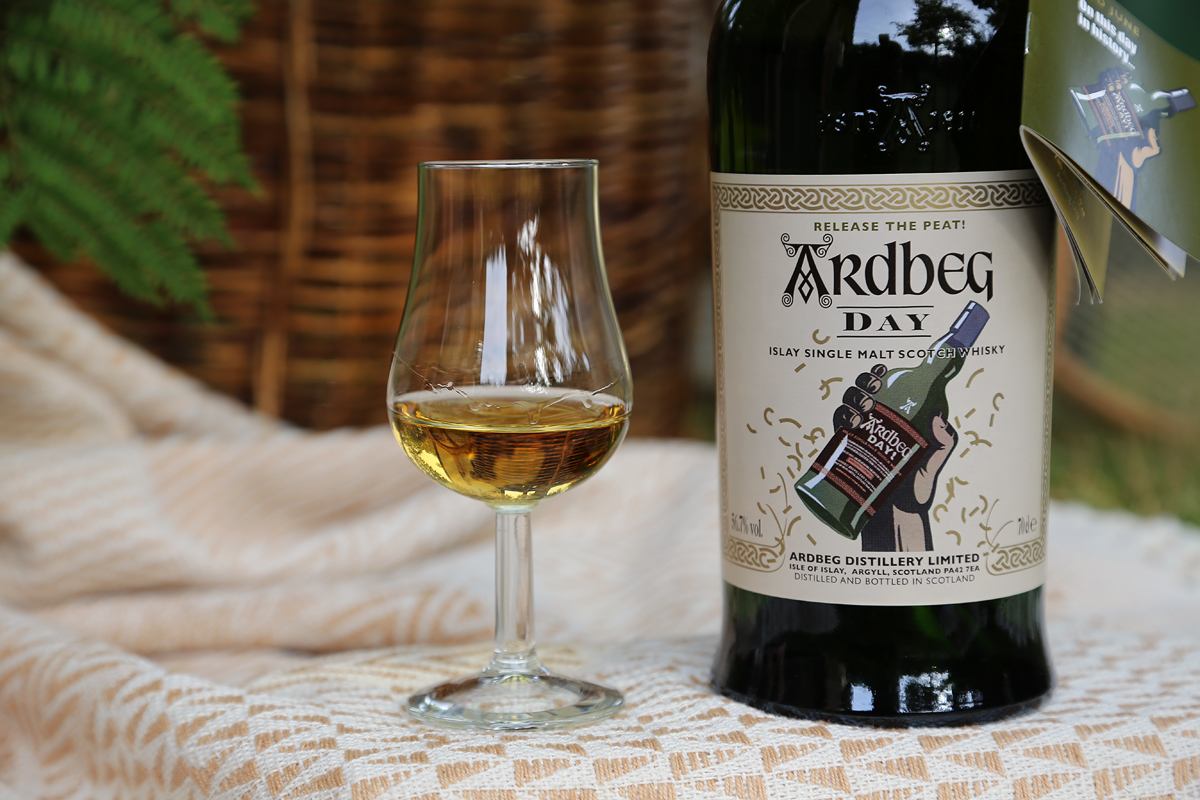
Ardbeg Day – The Whisky

Released 2 June 2012, 56.7% ABV

To set the scene for these next few posts, each year during the Feis Ile festivities on the isle of Islay, Ardbeg have been known to release a special, limited production bottling to commemorate the celebrations.

Historically, these highly sought after bottles were only ever available to the dedicated Ardbeggians who queued up outside the distillery, but this changed in 2012. For the first time, Ardbeg made their famous Feis Ile bottling available worldwide via official ‘Ardbeg Embassies’ and coincided its release with the newly established Ardbeg Day.

What should one name the inaugural release? Ardbeg Day of course!

Ardbeg Day - Bottle

According to the label details, Ardbeg Day is a composition of two different expressions, finished in refill sherry casks (since said to have been ex-Uigeadail casks) and was bottled at a hefty 56.7% ABV. I’ve heard that it was limited to 12,000 bottles worldwide, but I’m yet to find any official documentation of that.

The bottle was released as bottle and swing tag only and was never presented in standard box packaging. The little swing tag booklet has some pretty quirky illustrations in it covering random historical events that ‘took place’ on the 2nd of June in years gone by

Ardbeg Day - Swing tag

There’s a sneaky footnote in the booklet though which read: ‘Ardbeg takes no responsibility for any factual inaccuracies, satisfied that the historical occurrences herein contain at least a grain of truth’.. cheeky! One we can rely on though is this

Ardbeg Day - Swing tag 2

The Ardbeg Day whisky was only available from 2 June 2012 through official Ardbeg Embassies and as you may have guessed, it sold out pretty quickly.

Ardbeg Day - Glass

Nose

Initially I found this to be quite vibrant and fresh – zesty peat right up front, some vanilla, perhaps a touch of ginger, molten sugar sweetness, some crisp hints of fruit and quite a wallop of a mineral/salty saline note. Overall, I’d describe this as quite a dry nose.

Palate

Really quite oily and viscous from the get go. Fiery, spicy and heavy on the zesty, earthy, saline peat notes right up front on the tongue. These seem to almost intensify, but I also get a hint of vanilla, some ashy coal and smoke. Not a whole of sweetness with this one, though it does show its head after a good half hour in the glass.

Finish

The peat and saline notes really intensified for me on the finish, resulting in a greatly satisfying, long, chest-warming finish. As the finish fades, still quite dry and spicy.

Comments

I found all of the aromas and flavours on both the nose and palate to be quite pointed, sharp and pronounced. To me, there’s nothing rounded or shy about this one. It tasted quite youthful, vibrant and bitey and I’d describe it as one of the more intense Ardbegs I’ve tasted.

My personal preference would be to tame this with a drop or two of water (and it seems to hold that amount of water quite well) though I do actually quite enjoy the drying intensity of it.

Two years down since its release and I still really enjoy this one, though I can’t confidently liken it to anything else that’s currently available in Ardbeg’s core range (as of 2014). It’s not totally dissimilar to Ardbeg Alligator, though that’s a bit of an unhelpful comparison as they both now command collector (as opposed to drinker) prices.

Very pleased to have been able to re-taste this one from a sample. Next up, the 2013 Ardbeg Day release – Ardbog.

The Campbell Corner Whisk(e)y Co-operative

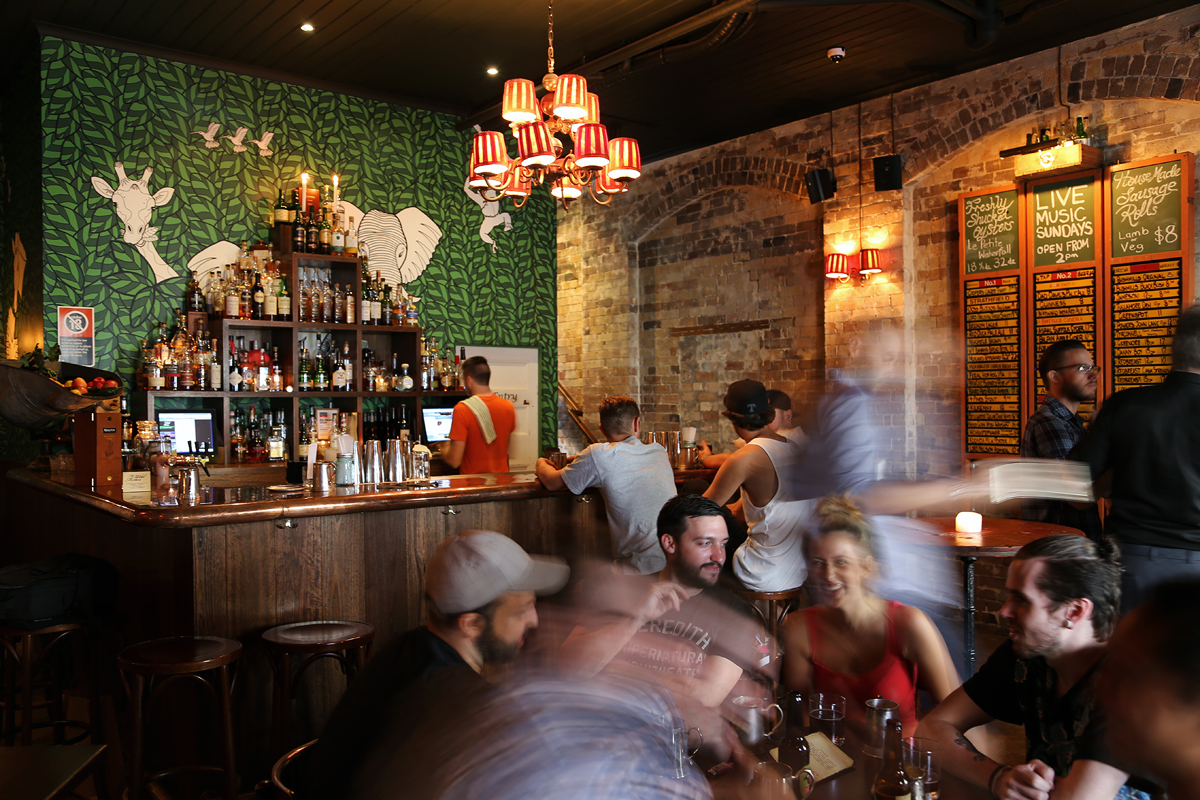
A new way to enjoy whisky – The Wild Rover, Sydney

The other week I attended a great masterclass with Burn Stewart’s Ian MacMillan at one of Sydney’s newer bars, The Wild Rover in Surry Hills.

You’ll find The Wild Rover an easy five to ten minute stroll from Sydney’s Central Station behind this rather unassuming shop front on the corner of Campbell and Foster Street in Surry Hills. Despite the faded signage, there’s no shirts being measured and made behind that green door…

Outside

… just a whole lot of quality drinks and good times!

Downstairs

The copper-coloured bar, old railway destination boards and red and white candy-striped lamp shades work so well with the bare brick-work and those jungle murals – the place just pops with life. It’s such a warm and inviting space.

Downstairs

About the whisky though

Kim McDiarmid, Manager of The Wild Rover, explained that he’s rather wild about whisky & whiskey, so it makes perfect sense that the bar he manages would have a decent selection of the stuff.

He and the team have gone one step further though and created the Campbell Corner Whisk(e)y Co-operative (CCWC), which aims to bring like-minded enjoyers of whisky together over a dram of the glorious stuff.

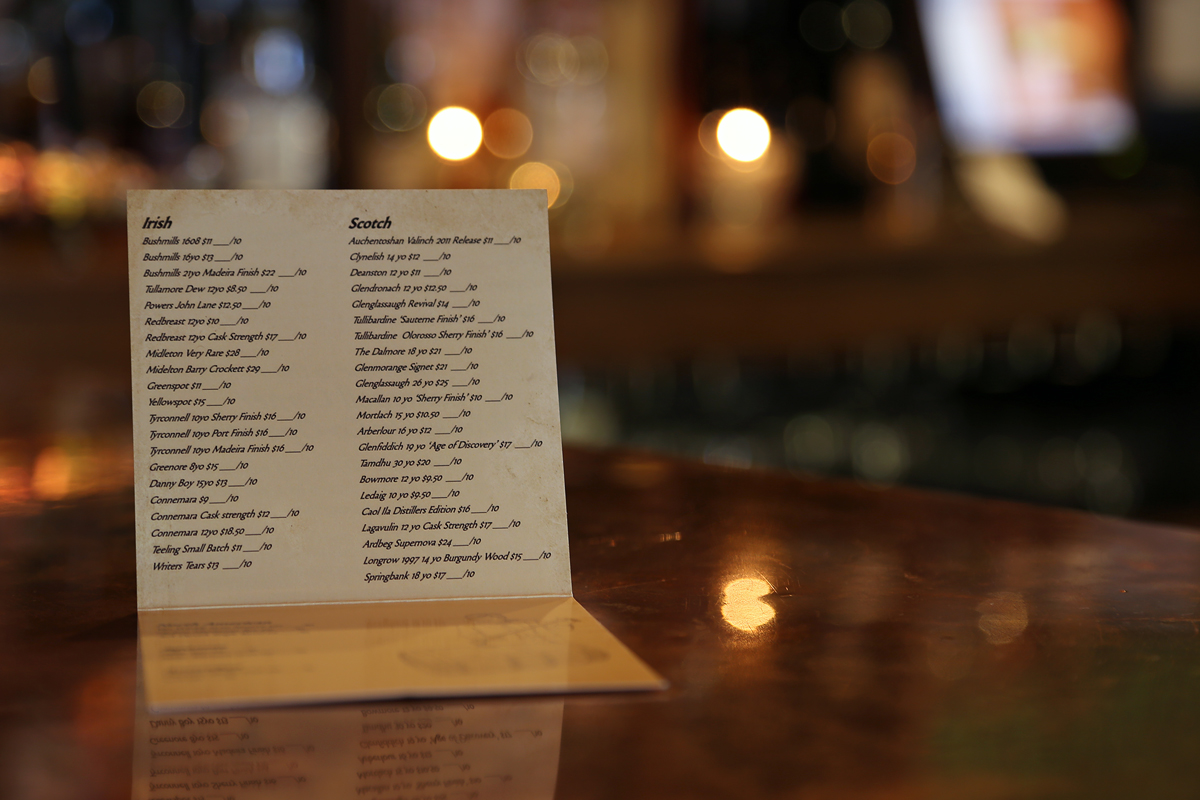
Joining the CCWC will set you back $20, but for that you’ll get a dram of something special (to the value of $25), plus your very own personal “Inventory Of Whiskeys” – a passbook of 50 whiskies and whiskeys available at The Wild Rover that you can work your way through at your own pace.

Dram passport

The CCWC isn’t just about your own personal whisky adventure though. The dedicated fans who manage to tick off each dram will be granted privileged access to The Wild Rover’s reserve selection (a locked cabinet that’s about to go up on the wall) which already includes some pretty rare drops. Think Bushmills 12 year old Distillery Reserve (a distillery exclusive), Connemara Bog Oak and Teeling 21 year old Silver Reserve. For the Scotch Whisky fans, there’s also a Tamdhu 30 year old and plans for a tasty Port Ellen are in the works, along with some others.

If that doesn’t do it for you, Kim tells me that whisk(e)y buffs who get through their inventory will have access to these drams at cost price, a special thank you for their on-going support.

Being a CCWC member also grants you access to a bunch of ‘member only’ events to be held once a month. The first one held a couple of weeks ago was a Glendronach tasting, featuring Global Brand Ambassador from BenRiach and Glendronach distilleries, Mr Douglas Cooke. Unfortunately I couldn’t make it, but Martin from Timeforwhisky.com was there and has put together this excellent write up, so head on over and check it out.

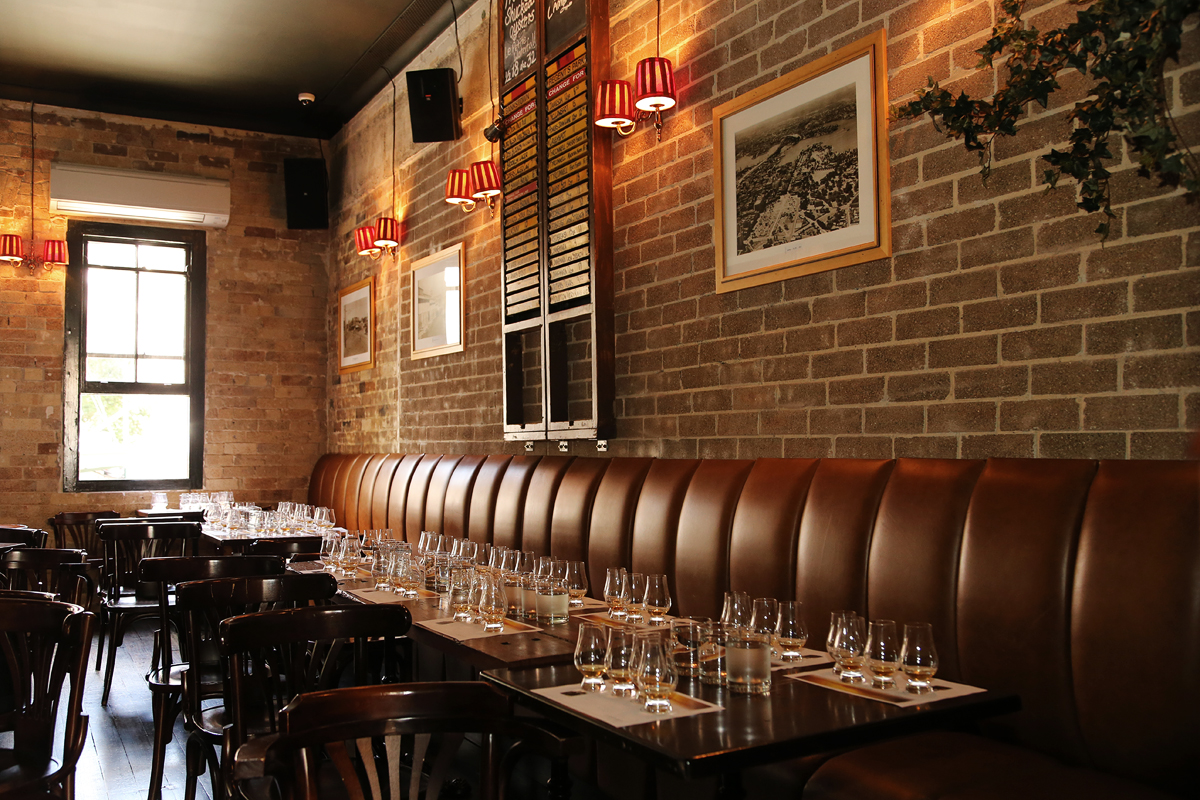
Upstairs

This picture shows the upstairs set-up for the recent Ian MacMillan masterclass and I imagine it would look somewhat similar for their CCWC events. Such a great space to be enjoying your drams.

If you’re in Sydney and you missed out on the Glendronach tasting, fear not! The second CCWC event is being held on 10 March and features none other than the owner and Master Distiller of Kilchoman, Mr Anthony Wills. Not a member? Not to worry, you can join on the night, sip your special dram and enjoy the tasting.

Full details on The Wild Rover’s facebook page.

Nikka whisky tasting

A round of Nikka nightcaps at Shirt Bar in Sydney

A stroll from Sydney’s Wynyard Station in a small laneway separating Kent Street and Sussex Street, you’ll find a cosy coffee by day/drinks by night establishment called Shirt Bar. Oh I left one thing out, they also sell shirts – lots of them!

Shirt bar

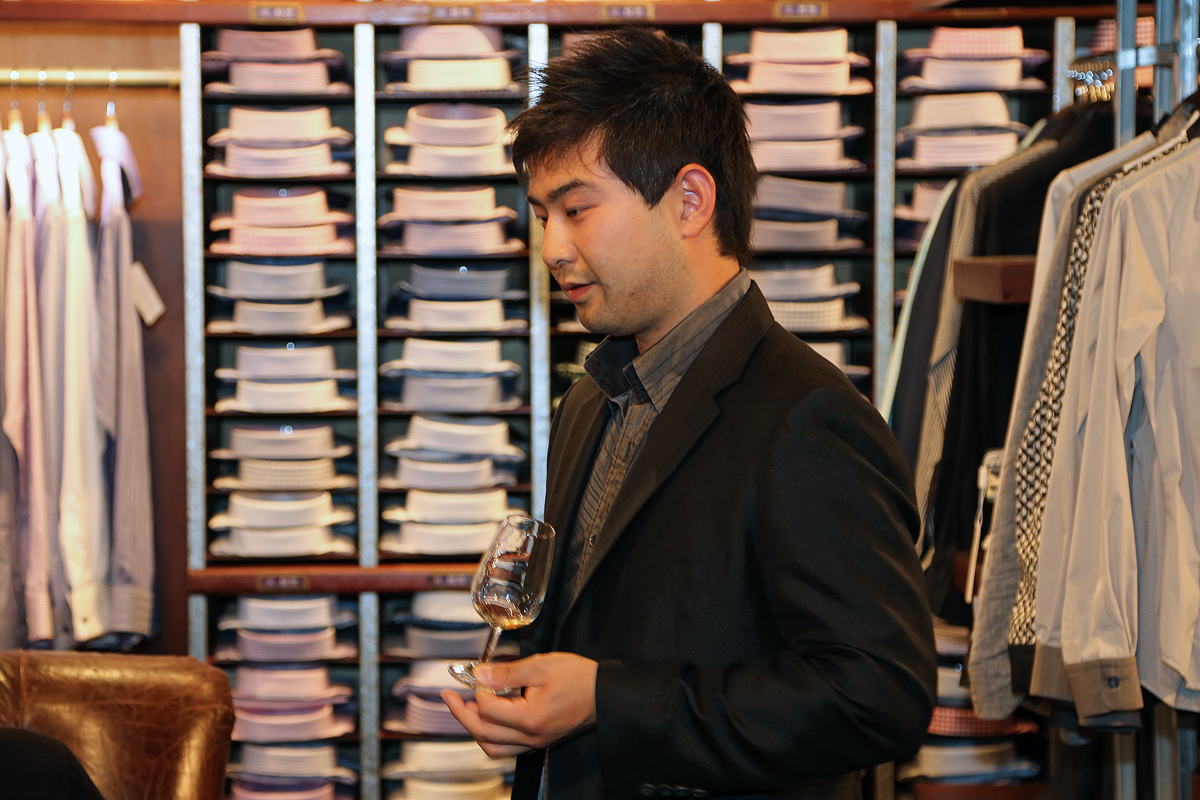
According to their site, they’re all about three of the things they love ‘tailored shirts, freshly roasted coffee and great whisky’. Walk through the doors and it’s not hard to see this represented in the eclectic styling of the warm and friendly fit-out.

Shirt Bar - Menu

Anyone who knows me knows how much I enjoy a nicely tailored shirt and a good coffee. But on a miserable, rainy Wednesday evening, it was Shirt Bar’s third love that saw me perched at a table up the back with some like-minded company. See, they don’t just enjoy and serve great whisky, but they’ve gone one step further and have set up their own appreciation group aptly called Scotch Club.

Pouring

I always keep an eye out for drinks and whisky tastings in Sydney and I’d read a bit about Scotch Club. I’m on their mailing list and I’ve read some great reviews of their events by fellow whisky fans Martin and The Baron – but their events always happened to fall on a weeknight when priorities clashed, so I’d never actually been along to one.

This was about to change though. My first Scotch Club was all about some of the whiskies that come out of Japan’s Nikka distilleries, Miyagikyo and Yoichi. To take us through four of their whiskies, our host for the evening was their Australian brand ambassador, Taka.

Taka

I must admit I haven’t had a whole lot of exposure to Japanese whisky, so I was really looking forward to this tasting. Here’s what we got to taste.

Miyagikyo 12 year old

Miyagiko 12

First up was a single malt from the Miyagikyo distillery, which you’ll find in northern Honshu, near Sendai. Built in 1969, the Miyagikyo distillery produces a lighter style of whisky thanks to its steam-fired bell-shaped stills, which require a longer and gentler distilling process. Interestingly (for a whisky nerd like me), the stills also have an ascending lyne arm, ensuring only the lightest spirit is collected.

This was indeed noticeable when nosing and tasting. On the nose, I got some citrus, apple cider notes, pear and a touch of sweetness and spice. I also got a note that I couldn’t quite put my finger on, but I jotted down ‘oddly meaty’ – whatever that means!

Fairly thin and light on the palate (surprising for a 45% ABV), reminded me very much of a Lowland style Scotch whisky. Soft sweetness, slight sourness, pears and quite a dry white wine-like finish.

Yoichi 15 year old

Yoichi 15

The next single malt came from the second distillery in Nikka’s portfolio, Yoichi.

In contrast to Miyagikyo, at Yoichi, they have a much faster and more intense distilling process, using direct coal-fired straight column stills fitted with descending lyne arms. Their water source is an interesting one too – using naturally peated water collected from an underground aquifer that lies beneath the distillery itself. All of these factors contribute toward producing a much heavier style of whisky.

On the nose I got a hint of sweet smoke, salted caramel notes and something a bit raisin-y. Much heavier on the palate than the Miyagikyo (they’re both bottled at 45% ABV) with some salty/saline notes, seaweed, light smoke and a bit of spice on the finish.

Taketsuru 12 year old

Taketsuru

The Taketsuru Pure Malt 12 year old is a blend of both Yoichi and Miyagikyo single malt whiskies (so there’s no grain in this one – similar idea to the Johnnie Walker Green Label).

Bottled at 40% ABV, this was the lightest of them all. I got some green apples and pears on the nose, vanilla notes and touch of spice. Reminded me a little bit of The Glenlivet 12 year old. Very smooth on the first sip, light sweetness, some gentle sour apple notes, maybe a touch of nuttiness, then bang – nothing. This has got to be the shortest finishing whisky I’ve ever come across. I think apple juice probably has a longer finish then this.

That’s not to say it’s a bad whisky (because its not), but I personally didn’t find it overly satisfying. I can see this being a great introductory whisky for a first-timer.

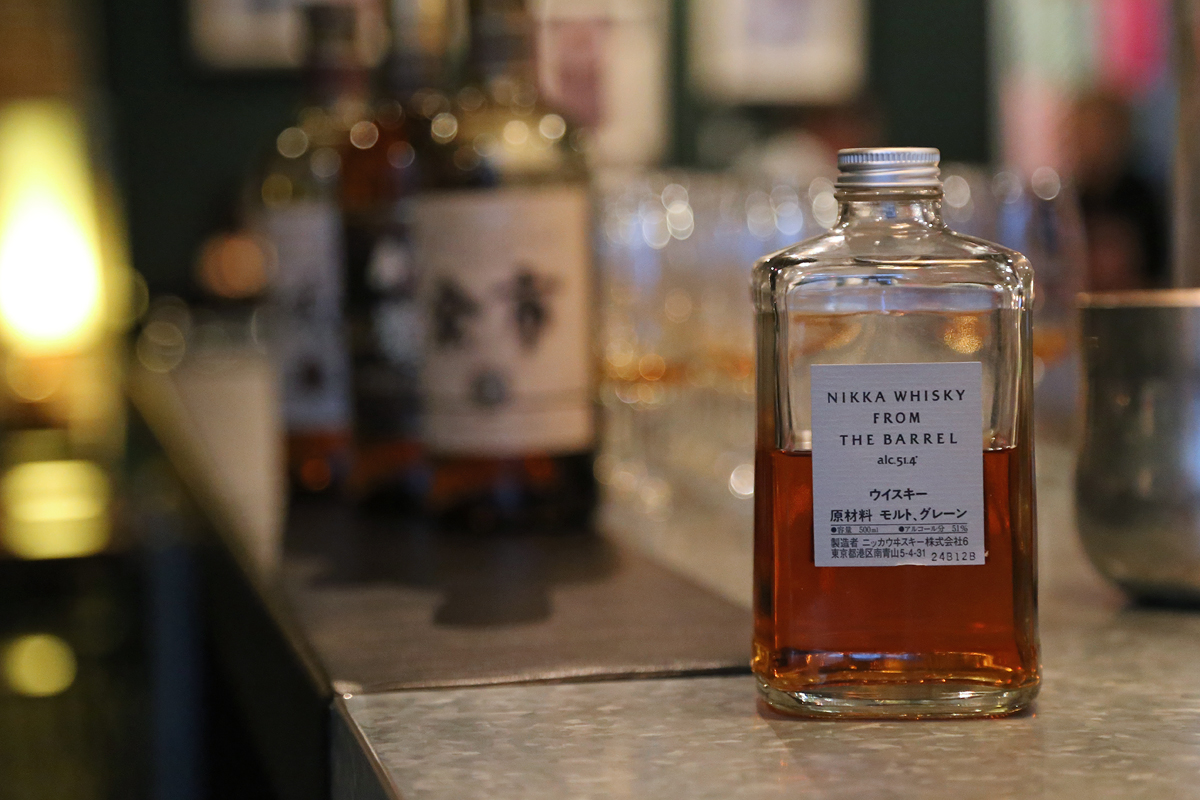
Nikka from the barrel

Nikka

The last whisky of the evening was also a blend of single malts from Yoichi and Miyagikyo, but this time there’s some aged grain spirit in there too – specifically, a grain spirit produced at Miyagikyo using imported corn from the US! The components are then married together and left to sit for a few months before being bottled.

Lovely and rich on the nose, sweet fruits, creamy, hints of spice and some faint bourbon notes. Big and juicy on the palate (it’s bottled at 51.4% ABV), caramel sweetness and some vanilla finish with pleasing spice notes.

I had only ever heard good things about Nikka from the barrel and it’s not hard to see why – it’s a mighty fine blend indeed.

Some final thoughts

Group

I should also mention that the tasting was accompanied by some quality food – individual servings of sushi, plus generously-sized charcuterie and cheese share plates.

As for the venue, Shirt Bar really is quite a cosy spot. The eclectic styling, interesting furnishings and odd bits of bar and tailoring paraphernalia make it an enjoyable spot to just sit back, relax and enjoy a few drinks, and that’s what the crowd seemed to do. Whatever your reason for being there, it looked like everyone was enjoying themselves.

The pours were a bit on the light side and I probably didn’t get to taste enough of each whisky to develop a proper opinion. But one thing I did get out of the evening was a real interest in exploring the world of Japanese whisky a whole lot more.

Whilst it’s a much younger industry (compared to the Scotch whisky industry), it’s still rich with history and great stories that make some of these whiskies truly fascinating.

Whisky tasting with Ian MacMillan

Sampling some of Burn Stewart’s finest single malts at The Wild Rover, Sydney

Earlier this week I was fortunate enough to be invited to a rather special whisky masterclass hosted by a true stalwart of the whisky industry, Mr Ian MacMillan.

A long way from home, Ian was on his first-ever Australian visit to attend the Top Shelf boutique drinks festival down in Melbourne. But before making the 17,000-odd kilometer journey back to Scotland, he generously found some time in his schedule to host this great masterclass at The Wild Rover in Sydney’s Surry Hills (keep an eye out for a post on this very cool bar shortly!)

Ian MacMillan

I refer to Ian as a true stalwart as he entered the whisky industry at the age of 18, starting his career at the Glengoyne distillery back in 1973. Over the following 40 years, Ian worked his way through numerous distilleries, from the ground up. He proudly tells us that he’s one of few in the industry today who can honestly say that they’ve ‘worked every single job in a distillery’.

It’s this kind of dedication that’s lead him to where he is today, as Head of Distilleries and Master Blender for Burn Stewart Distillers. Even if you haven’t heard of Burn Stewart, you’ve probably heard of their single malts – Deasnton, Bunnahabhain and Tobermory.

On with the drams then!

I would have been pretty happy to just listen to Ian’s fascinating stories all afternoon, but we were at The Wild Rover to taste some whisky – and taste whisky we did.

Tasting glasses

Before I launch into these though, it’d be remiss of me to not mention something about Ian’s whisky making philosophy. You see, he took great pride in explaining that when it comes to whisky making, he considers himself a ‘pure traditionalist’.

Among other things, he made a particular point of  recognising the role that people play in making the whiskies in the Burn Stewart portfolio. ‘The people working at these distilleries have such pride and are so proud of what they make … tell me of any computer panel that has that kind of passion for making liquid’.

It’s also worth pointing out that all four of the single malts we tried were non-chill filtered, natural colour and bottled at a generously enjoyable 46.3% ABV.

Ian talking

Ian’s reasoning behind non-chill filtering was a pretty good one too.. ‘we’d been making whisky for 800-odd years before chill filtration was invented and there was bugger-all wrong with it back then’ – so why do it now? Classic.

I found his whole approach pretty admirable and after hearing what Ian had to say, I couldn’t help but feel like it added a little something special to the four whiskies we were about to taste.

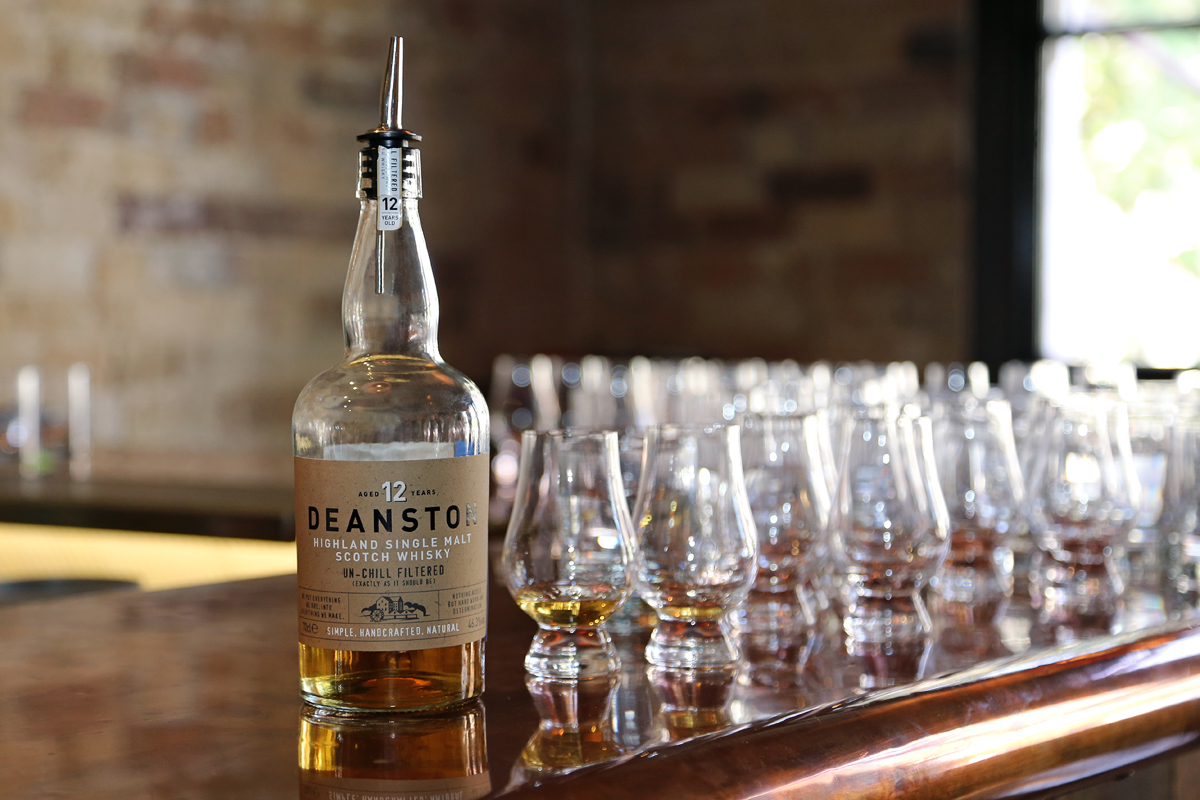
Deanston 12 year old

First cab off the rank was a whisky that I’d heard of, but never tasted – Deanston 12 year old. From Perthshire in the Central Highlands region, Deanston was opened in 1966 in an old cotton mill.

Deanston 12

Ian reckon’s it’s the most honey-influenced malt you’ll find. I always thought The Balvenie would hold that crown, but after tasting it, he could indeed be right!

Matured solely in ex-bourbon American Oak casks, I got some big honey notes on the nose, with hints of a citrus-tang, sweetness, orange zest and vanilla. This translated rather nicely to the creamy, oily palate with fresh zesty citrus notes and honeycomb sweetness finishing with some light spice.

Bunnahabhain 12 year old

For those of you who haven’t encountered Bunnahabhain before, it’s produced on the isle of Islay, but unlike some of its heavily peated brethren, Bunnahabhain’s core range is actually un-peated (well, that’s a little lie, it’s peated to around 2 – 3 parts per million – but that’s almost nothing).

Bunnahabhain 12

Around 40% of the content in the 12 year old is matured in first-fill ex-Oloroso sherry casks, so you get some wonderful nutty raisin notes mixed in with some light zesty fruit, sweet cured meat (well, that’s what I was reminded of anyway!) and the faintest whiff of smoke.

The intriguing nose is followed by a lovely viscous palate that nicely balances sweet and salty elements, fruit and really mild peat, finishing with a briny/salty tang. I’ve got a bit of a soft spot for this one.

Tobermory 15 year old 

You’ll find Tobermory off the west-coast of Scotland on the Isle of Mull where they’ve officially been distilling since 1798. I say ‘official’, as records show that they actually started some 300 years earlier, back in the 15th century! 

Tobermory 15

Quite a unique, heavy nose on this. I got hints of roasted coffee, dark chocolate, dark fruits and a faint salty/tangy note. Looking back over my notes, I think I wrote the word ‘rich’ about three times without realizing it.

As with the other two, another lovely oily mouth-feel on the Tobermory. Flavour wise, I couldn’t help but be reminded of fruit and nut chocolate, fruity sherry (minus the sweetness) and a slight tang, all giving way to a long warming finish. 

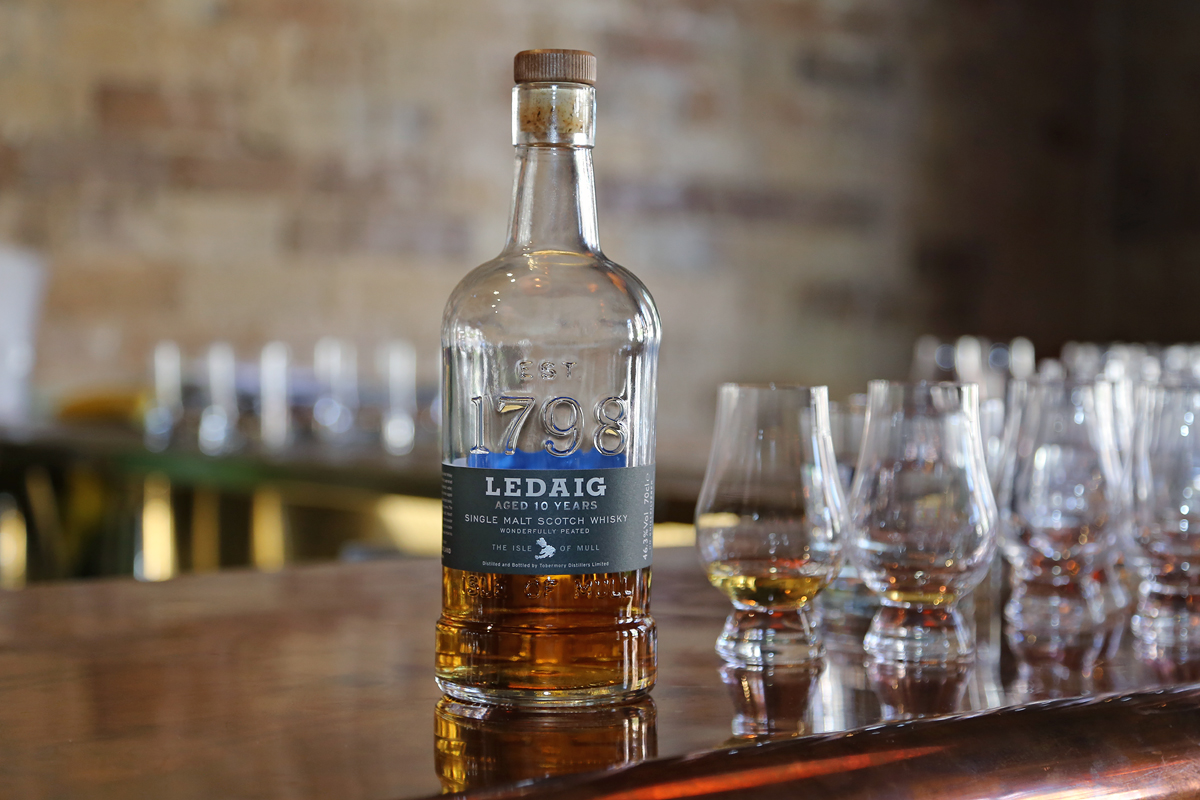
Ledaig 10 year old 

Ah Ledaig. Looks simple to pronounce – Lé day-g – but if you, like me, thought that’s how it’s pronounced, then you’d be wrong. Ian tells us it’s pronounced something like ‘Lech-igg’ or ‘Led-chigg’. Got to love Gaelic. 

Ledaig 10

Produced at Tobermory, Ian informs us that with Ledaig, he set out to produce a whisky that was similar in characteristic to what would have originally been produced at Tobermory.

On the nose, the Ledaig 10 year old has light, warming wood-smoke honey notes. This translates nicely to an oily palate and a warming finish, with hints of citrus that turn rather drying after a short while.

Some final thoughts

The masterclass drew a crowd predominantly made up of industry and bar staff from all over Sydney, but there also happened to be two of Sydney’s finest drinks bloggers in the room – Corinne from Gourmantic and Matt from Distant Thunder Whisky Club – two fellow whisky fans whose sites are well worth the read. It was a real pleasure meeting you both!

I don’t know about everyone else in the room, but I already had a bit of a soft spot for Bunnahabhain and Tobermory. After hearing more about them, I feel as though these are a couple of quality, underrated whiskies that drink a fair bit higher than they’re often scored. I’d definitely keep an eye out for these behind your favourite bar if you’re looking to try something new.

A sincere thanks to Ian MacMillan for his time and to the folks at Island2Island Beverage Company for brining him out to Australia. I genuinely hope we get to see more of him, and his whiskies, in the near future.