Paul John Whisky

Indian single malt whisky

If you played a little word association game with the average person and asked ‘what’s the first country you think of when you hear the word whisky?, I’d say there’s a really good chance most people would say Scotland. Some might hit you with Ireland or the United States. Heck, Japan is probably high up on that list these days too! But I don’t think you’d get too many people saying ‘India’.
Paul John Whisky 4

Don’t for one second think that’s because India isn’t a whisky-drinking nation though. It’s quite the opposite actually. According to these statistics, India is actually the biggest whisky-drinking nation on earth! To satisfy that demand they have over 40 whisky-producing distilleries around the country, but only two of those (as far as I’m aware) produce whisky specifically for the export market. The first, and perhaps the more well-known, is Amrut and the second – the feature of this post – is Paul John.

Paul John and John Distilleries

The brand Paul John comes out of John Distilleries’ single malt distillery located in Goa. The facility uses two Indian-made copper pot stills to produce in the region of 3,000 litres of spirit daily (1.1 million litres a year). This makes them similar in scale to a distillery like Ardbeg, who also have a single set of stills and a similar annual production capacity.

Not only does Paul John use Indian-made copper pot stills, but they also use a varietal of Himalayan 6-row Indian barely in the production of their spirit. This gives them a lower alcoholic yield, but Master distiller Michael John is of the belief that it helps give the whisky more characteristics of its country of origin. Casks are filled at 55% ABV (compared to standard Scottish filling of 63.5% ABV) before being matured in one of two warehouses.
Paul John Whisky 7

India’s hot and often humid climate makes whisky mature much faster than it would in Europe or the United States, with Paul John’s annual evaporation (‘The Angel’s Share’) being around 8% per year (compared to Scotland where it’s closer to 2%). As a result, their whiskies are often bottled anywhere between four and seven years of maturation. Paul John isn’t a brand you encounter too often here in Australia, so when they recently contacted me and offered a samples of their full core range I was more than eager to give it a try.

I’ll keep my notes brief, picking out some similarities and differences to try and form a better understanding of Paul John’s single malt profile and how the expressions compare against one another. One thing to note from the get-go is that all of their whisky is 100% natural colour and non-chill filtered.

Paul John Brilliance 46% ABV

The entry level expression in their range. Brilliance is made with un-peated spirit and is aged in ex-Bourbon American Oak casks for around 4 years.

Quite soft on the nose with some sweet vanilla and malty biscuit notes. There’s a hint of citrus, orange pith and oak. It’s chewy and oily on the palate and quite close to the nose – more citrus, zesty notes, spice and oak. It’s like a quality, soft Speyside whisky.

Paul John Whisky 6

Paul John Edited 46% ABV

Edited is also matured in ex-Bourbon American Oak casks for around 4 years, however it contains around 15-20% of peated spirit in the vatting. To get peated spirit, Paul John import peat from Scotland and then peat their preferred 6-row Indian barley themselves.

Very soft again on the nose, almost muted in a way. There’s a definite hint of peat that presents itself in a salty, damp hay smoke kind of way. It’s there, but it’s also fairly subtle and integrated. I still get the same malty biscuit and citrus notes from the Brilliance as well.

On the palate the peat is quite pronounced upfront with a salty saline tang, that great chewy mouthfeel. There’s toffee, maybe even salted caramels and that bitter citrus pith note again.

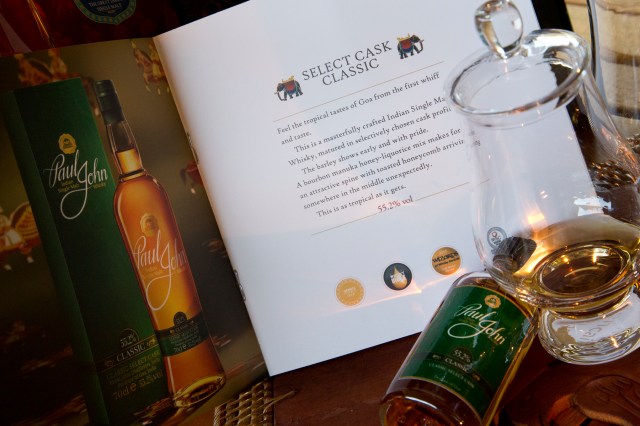
Paul John Classic Select Casks 55.2% ABV

A non-peated cask strength offering. A fuller, deeper and richer nose compared with the Brilliance, really showcasing the oily rich spirit profile. I got deep creamy vanilla, sweet malty cake notes and a hint of orange.

It’s bright and punchy upfront on the palate with a great sweet, oily, malty mouthfeel. Hot cinnamon and cedar-wood spice upfront gives way to sweet chewy vanilla, some honey notes, summer fruit salad. There’s more malt, oak and spice on the finish.

There’s a definitely lineage to the Brilliance in this one – with a similar general profile – but everything is cranked up to 11 and there seems to be more going on in the Classic Select Cask, probably due in part to the higher alcohol level.
Paul John Whisky 8

Paul John Bold 46% ABV 

The ‘Bold’ expression takes us into full peated territory and a single small whiff confirms that. It’s quite deep and bold on the nose with sweet herbal peat notes. It’s quite vegetal though, like a highland peated whisky, with a salty saline tang.

It’s vegetal and peaty on the palate (though not smoky) with that saline tang from the nose, but it also manages to incorporate some sweet notes. It finishes with a big wave of lingering peat that dries out your tongue, leaving behind a slightly bitter oaky woodiness.

Paul John Peated 55.5% ABV

As the name suggests, this takes us into peated territory again, but this time at cask strength. It somehow seems more restrained on the nose, with a nice balance of peat, berry/sherry sweetness and that herbal salty peat note.

Loads of tangy, salty peat upfront on the palate, a hint of crisp drying smoke, vanilla, charred peaches and brown sugar sweetness. The higher ABV carries the peat notes through to a long satisfying finish.

Paul John Whisky 3a

Some overall thoughts

I was really impressed by the whole Paul John range. Not that I expected it to not be good, but I think in the back of my mind I didn’t expect it to taste anywhere near as mature and balanced as it does. None of these five expressions gave off any hint of their youth. The decision to bottle at 46% ABV and above with no chill filtering is a smart move in my opinion, with the full range having a fantastic oily, chewy mouthfeel that carries loads of flavour across the palate. Whilst some of the expressions are slightly restrained in their flavour profile, they were all nicely balanced and tasted like high quality, well-made whisky to me. If I had to pick a favourite out of the five, I think I’d go for the ‘Peated’ expression at cask strength. It had a lot going on in every sip and is genuinely great whisky.
Paul John Whisky 5

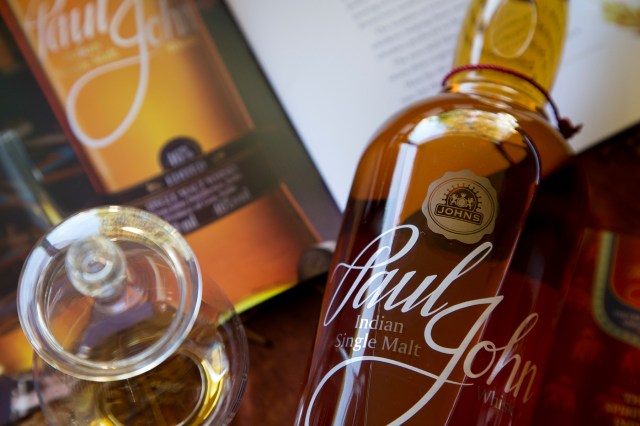
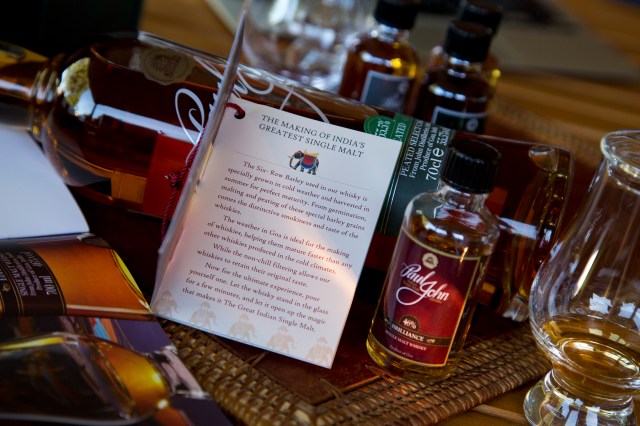
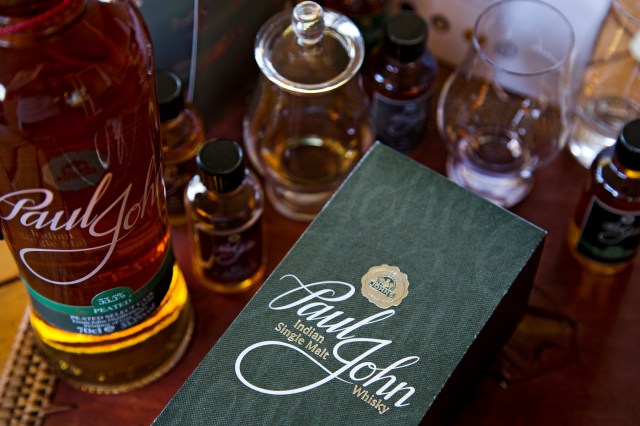
Paul John also kindly included a full-size bottle for me to photograph (pictured throughout this post). I’m a sucker for packaging and presentation and I have to say, the presentation is rather smart! An embossed card box with a magnetic closure opens to reveal a nice clean, modern bottle. The fonts/script used throughout are fresh and clean, the main branding is screen-printed and there’s a nice little swing tag including a booklet on all the basics you need to know about Paul John’s full range.

Paul John Whisky in Sydney 

Mr Madhu Kanna, General Manager – Exports, from Paul John will be in Australia for the Whisky Live whisky show on 8th and 9th April 2016 so if you’ve got yourself a ticket, I encourage you to drop by their stand and try some Paul John whiskies for yourself!

Paul John Whisky 1

Thanks goes to Paul John for the generous whisky samples. I’m looking forward to seeing your brand develop further and tasting whatever you bring out next!

The House of Suntory

Yamazaki, Hakushu & Hibiki with Mike Miyamoto

Hello 2016! After a somewhat lengthy hiatus over summer (or winter, for my northern hemisphere friends), we’re back in business. And what better way to kick-off the new year than with a House of Suntory event held at Sydney’s Grain Bar.

House of Suntory

Suntory’s Global Brand Ambassador – Mike Miyamoto – happened to be in town, so we were all in for an extra treat. I’ve had the pleasure of meeting Mike on a few occasions now and never tire of hearing him speak about all things Suntory. He’s reserved and softly spoken, but so full of knowledge and information that there’s always something new to learn; just one of the many aspects I love about his tastings.

Hakushu

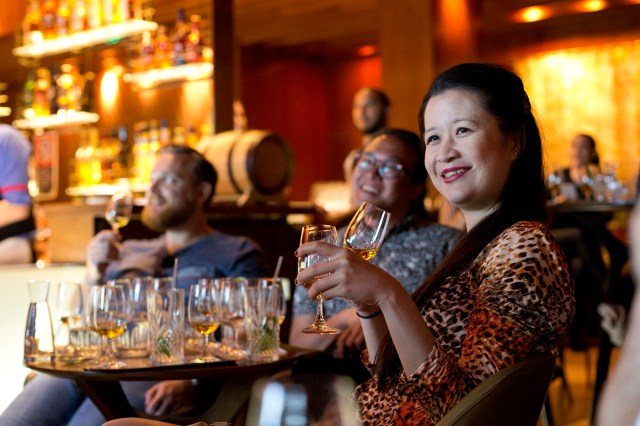
The ever-refreshing Hibiki highballs (whisky, ice and soda water, served tall) were offered on arrival, whilst guests mingled over a selection of canapés before taking their seats for an intimate walk-through of the range.

Whisky tasting

First up this evening was the Yamazaki Distiller’s Reserve, their entry level expression. On the nose I found it to have a ripe berry sweetness, hints of cedar boxes, rose water and spicy fragrant oak. The palate was somewhat true to the nose, being dry, tannic and oaky but with a background of sweet stone-fruit and berries.

It’s sibling, the Hakushu Distiller’s Reserve was up next and what a polar opposite it is. Immediately fresh on the nose, green pine needles, ripe pears, light and delicate. It’s super clean, crisp and dry on the palate with stone-fruit notes, vanilla and a touch of dry smoke up the back.

Tasting

An age stated version in the form of the Hakushu 12 year old followed. It carries a similar profile to the Distiller’s Reserve, but with less of those crisp notes and quite a bit more depth. Sweet green tea, hints of bubble-gum and fresh mint were present, with some melon notes, oak and more dry smoke on the palate.

The Hibiki Japanese Harmony expression was up next; a blend of more than 12 different malt and grain whiskies produced by Suntory at their Yamazaki, Hakushu and Chita facilities. On the topic of blending – this is one particular aspect about Suntory that I always find fascinating. I just mentioned that Suntory only have their three distilleries – Yamazaki, Hakushu and Chita (their grain distillery) – to select from. So how does Hibiki contain more than 12 different malt and grain whiskies when they only have three distilleries? I’m glad you asked!

See, all three distilleries have pretty incredible setups. Yamazaki has seven different types of still all under the one roof. They have two completely different types of washback and mature in five different cask types and sizes. So if we do some simple maths (7 x 2 x 5), theoretically Yamazaki alone can produce 70 different styles of whisky. Hakushu and Chita have similar setups as well, so between the three distilleries Suntory have well over 100 different malt and grain whiskies to play with when it comes time to blend. And they know how to blend!

I found the Hibiki Japanese Harmony had a sweet depth to it, sweet grains, creamy vanilla custard with peaches and raspberry – both on the nose and on the palate. It’s like your grandmother’s trifle in a glass. The Hibiki 17 year old followed and whilst the lineage was evident, it’s so much more complex. It’s less grain-forward with more of a stone-fruit sweetness on the nose. Sweet, chewy and comforting on the palate with toffee, caramelised sugars and more stone fruit. Pretty darn great I have to say.

Mike Miyamoto

When Grain Bar aren’t hosting a whisky event, they’re firmly positioning themselves as one of Sydney’s go-to venues for whisky fans, with a pretty serious back-bar of more than 200 whiskies. I’m told that a further shipment of some 40-odd bottles has recently arrived, so if you’re looking for something out of the ordinary, be sure to check-in over the coming months.

Yamazaki Sherry Cask

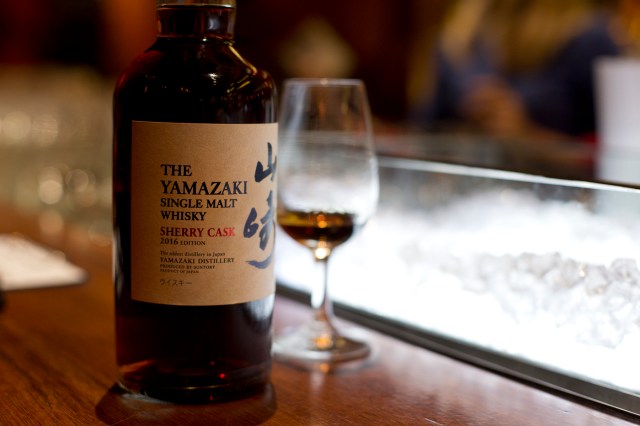
For those with a bit of cash to splash, the fabled 2016 Yamazaki Sherry Cask was also available by the dram on the night, with plenty of guests seizing the opportunity to try this whisky unicorn. Whilst I didn’t try it on the night, the comments from those who did were unanimous. Everyone seemed to love it. The bottle pictured here was opened fresh on the night, but a mere four days later a few images surfaced on Instagram and this thing was nearly drained. So if you’re contemplating going there to try it, get your skates on!

Cocktails

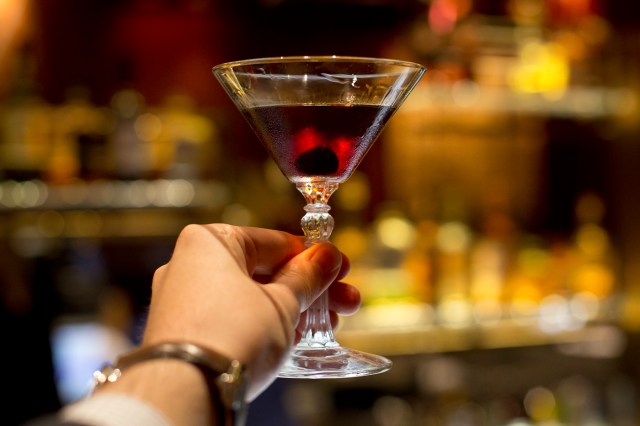
We rounded out the evening with a Lost in Translation cocktail (Hibiki Japanese Harmony, Crème Yvette and Punt e Mes), that reminded me of a sweeter, richer Sazerac and some vanilla and green tea cronuts (made in-house). Dessert is served!

Cocktail

Having the chance to hear from the distillers and ambassadors of these whisky powerhouses always gives me a new sense of appreciation of what’s in the bottle, so a sincere thanks goes out to both Beam Suntory Australia and Icon International for the generous invitation.

The Last Drop: 1967 Glen Garioch

Nineteen sixty-seven. It was the year the Shelby GT500 Mustang first rolled off the production line, Rolling Stone published their first magazine and Nirvana front man Kurt Cobain was born. It also happened to be the year Glen Garioch filled an ex-bourbon hogshead with some new-make spirit and set it aside to slumber.

Bottle

That cask then sat there in a dark warehouse, quietly maturing for 47 years before luxury independent bottlers, The Last Drop, decided to bottle it and release it to the world. It also marks the first time that The Last Drop have bottled a single malt whisky, with all previous releases from the company being super luxury blends (like the 1960 blend, or The Last Drop 50 year old blend).

Brochure

Although the industry moves at a comparatively slower pace to the rest of the world, a fair bit has changed at Glen Garioch in the last five decades too. Their malt is no longer peated, they no longer floor malt their own barley and their stills are now gas fired (they were actually the first distillery to switch over to gas-fired stills back in 1982). 47 years of maturation aside, the actual base Glen Garioch spirit would be quite different today compared to what they were making back in 1967, so getting the chance to taste this is a rare treat indeed.

So without further ado, let’s give this a whirl.

The Last Drop

The nose is dense, rich and round with a lovely depth of sweet fruit, malt and oak. Ripe stewed stone fruit (like caramelised peaches, nectarines and apricots), thick sweet honey, malt and oak with an underlying kiwifruit tang. For me it invoked thoughts of a warm bowl of porridge, drizzled with honey and topped with fruit. A surprising amount of sweetness and balance for something so old.

The palate really caught me by surprise, primarily for its disconnect with the nose. I found it immediately oily and silken. Flavour-wise, the delivery caught me by surprise with everything seeming to arrive at once; sweet honey, tropical fruits (mango and papaya) and a hefty amount of peat presenting as coal and iodine. The sweet fruits fade to a long, drying peated finish.

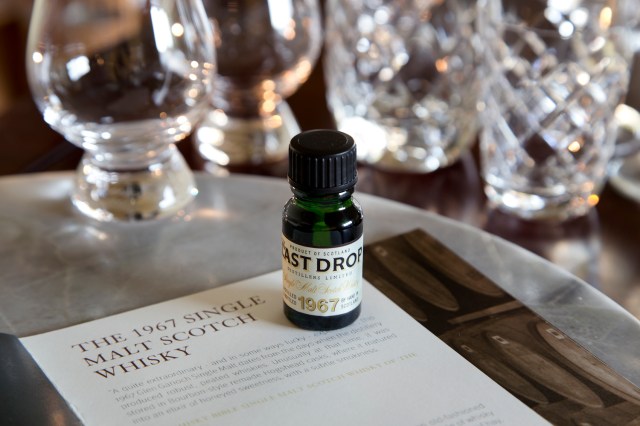
The Last Drop 1967 Glen Garioch is available exclusively through Dan Murphy’s and carries a recommended retail price of AU$9,000. So you can do the math on the 10ml sample you see in these pictures (that’s right, you’re looking at more than AU$120 worth of whisky in that glass!)

With just 118 bottles in the world, I think it’s safe to say that many are likely to remain unopened in collections or shops around the world, so to get the chance to taste this is pretty special indeed. A sincere thanks to The Last Drop and DEC PR for providing the sample pictured here.

The Glenlivet Founder’s Reserve

Official launch, Sydney Australia

The Glenlivet – Australia’s best selling single malt – recently launched their newest expression in style at an intimate gathering held in a private penthouse in Sydney’s Elizabeth Bay. The Founder’s Reserve is a new, No Age Statement (NAS) single malt which has been introduced to replace the classic 12 year old expression as the entry point into The Glenlivet’s extensive core range.

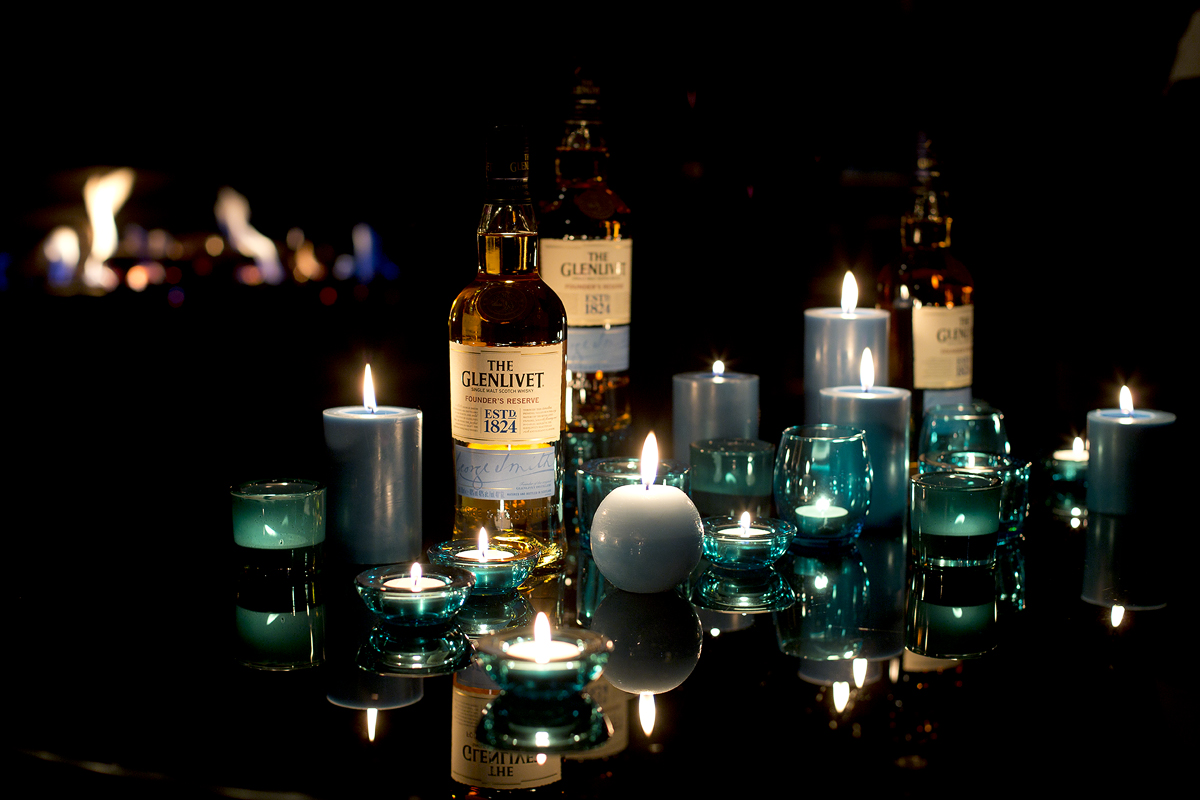
The Glenlivet - Fireplace

The evening’s guests ascended to the penthouse in a mirrored elevator. The doors opening to reveal a lavish space filled with oversized art, the flicker of a fireplace and floor to ceiling glass offering up stunning views across Sydney harbour.

Glenlivet - fan

Around the corner, our private bartenders whipped up trays of ‘Founders Keepers’ cocktails. Think of them as The Glenlivet’s homage to the classic Tom Collins. Served tall, the recipe comprised of The Glenlivet Founder’s Reserve, peach liqueur, Lillet Blanc, apricot jam and lemon juice, topped with a splash of soda. They were refreshing and balanced and I can already see this recipe being featured a lot as the months get warmer.

The Glenlivet - Ice

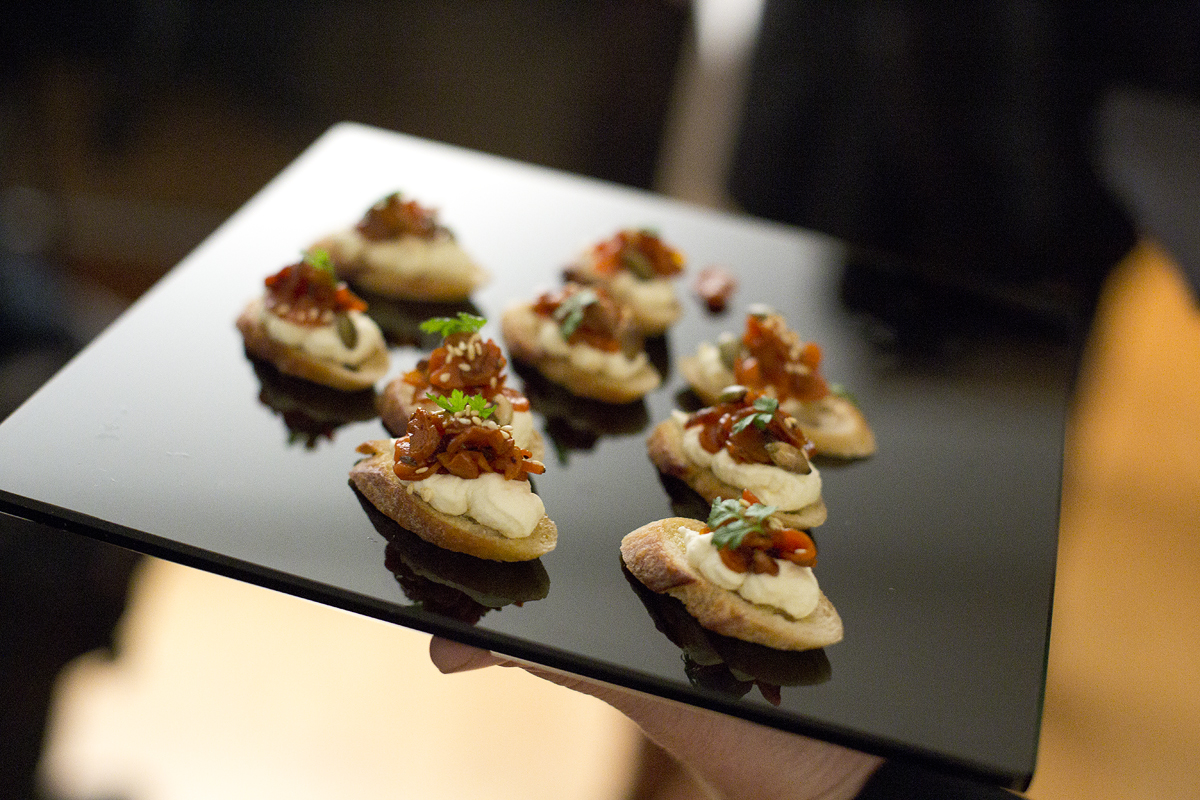
DJ Alice Quiddington set the mood, whilst a duo of chefs appeared to work effortlessly in the penthouse’s stone-clad kitchen, serving up some amazing canapés throughout the evening. The likes of which included herb crusted ballotine of salmon with Avruga caviar, milk fed veal crudo, and quince star anise orange tart tartin.

Canapes

An hour in, Pernod Ricard’s Marketing Manager, Sladjan Maksimovic offered guests an official welcome before The Glenlivet’s brand ambassador, Ben Davidson, took centre stage. Ben walked us through a private tasting of the Founder’s Reserve, putting it into context by offering up historical overview of The Glenlivet brand.

So with a raise of the glass we toasted ‘sláinte mhaith’ (to good health) and welcomed The Founder’s Reserve into the fold.

Glass

The nose presented me with tart apples, tinned pears and sweet tropical fruits, on a bed of sweet vanilla pastry. I also got a hint of citrus and some wood-bark oak notes at the back. I found the palate creamy and juicy, offering up more of those tinned tropical fruits, toffee sweetness and vanilla, with hints of bitter pith and a fair amount of drying wood.

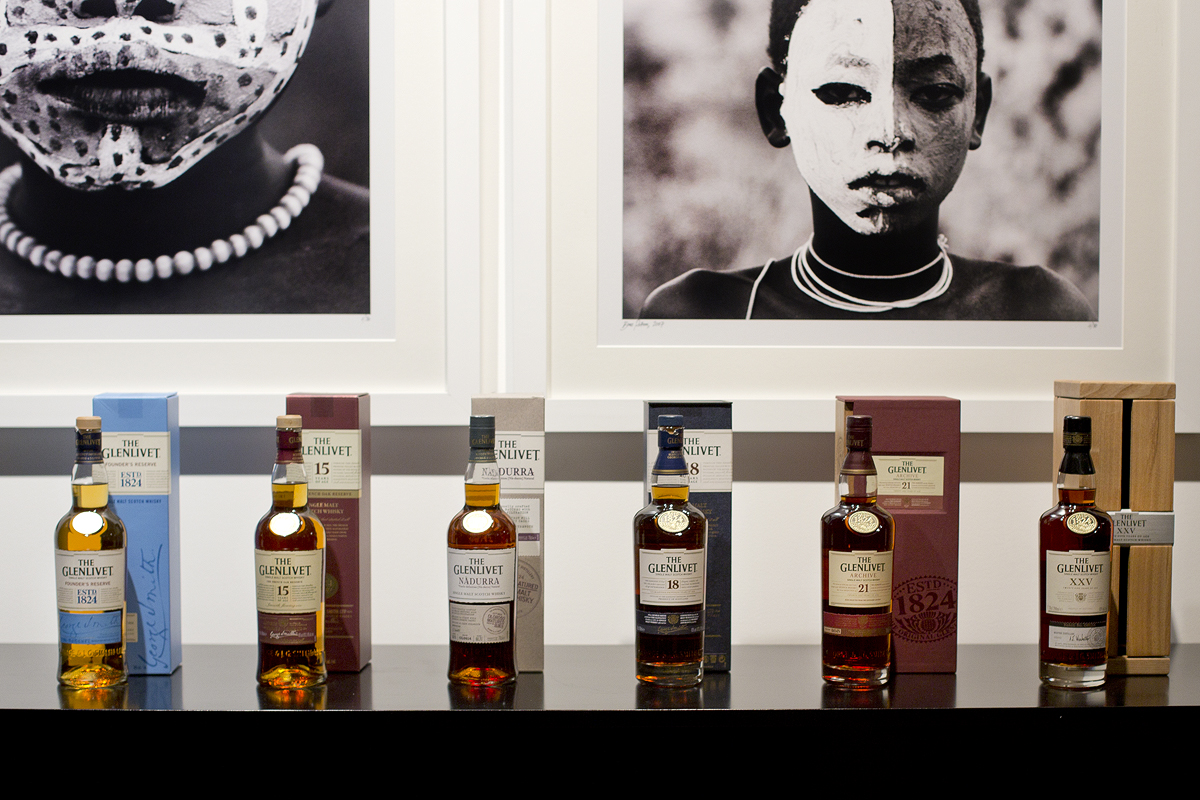
As the evening drew to a close, guests were invited to sample some of The Glenlivet’s finest.

The Glenlivet - lineup

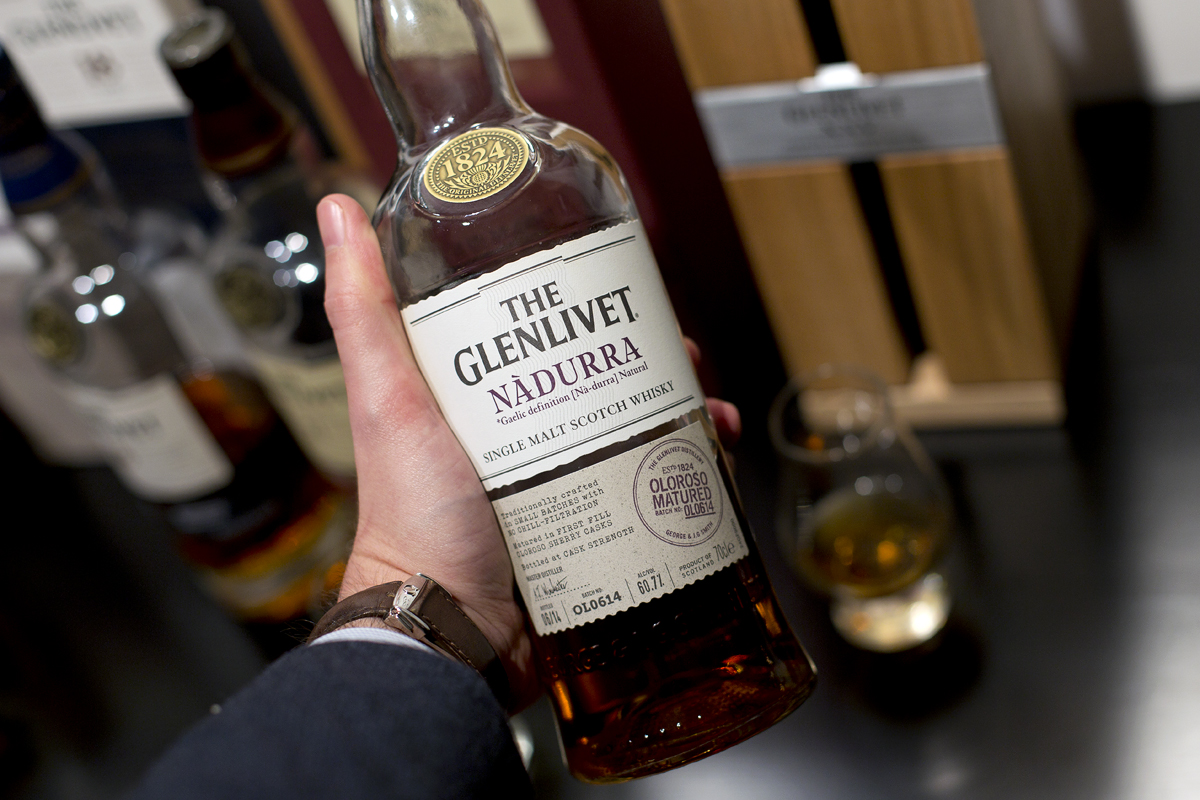
I’ve been fortunate enough to taste many of the expressions in this lineup before, but there were two that had eluded me, the new Nadurra Oloroso (at 60.7% ABV) and the elder statesmen, the XXV.

Glenlivet Nadurra

Some have griped at the loss of the 16 year age statement found on the ex-bourbon cask expression, but age statement or no age statement, this new Nadurra Oloroso really is a fantastic whisky, especially when you consider the price point. A casual conversation with Ben and Sladjan revealed that fans of the cask strength Nadurra range can look forward to further one or two expressions in the near future, including one that really breaks with tradition – it’s going to be mildly peated!

The Glenlivet XXV

Finishing the evening with a dram of The Glenlivet XXV, I stepped out onto the penthouse’s terrace, surrounded by fellow whisky lovers and had a few good laughs whilst looking out at the rippling waters of Sydney Harbour as the moon sat full in the sky.

The Glenlivet XXV is a truly luxurious and decadent whisky and it was an absolute treat to sample it. You know what though? At that moment in time, it would have made no difference to me whether I had the new entry-level Founder’s Reserve, or the range-topping 25 year old in my glass, as after all, simply sharing a tasty dram in great company is what whisky is all about, isn’t it?

The Glenlivet

The new Glenlivet Founder’s Reserve is available in Australia now at a recommended retail price of $64.99. A sincere thanks goes to The Glenlivet for having me as your guest.

Eigashima Sakura

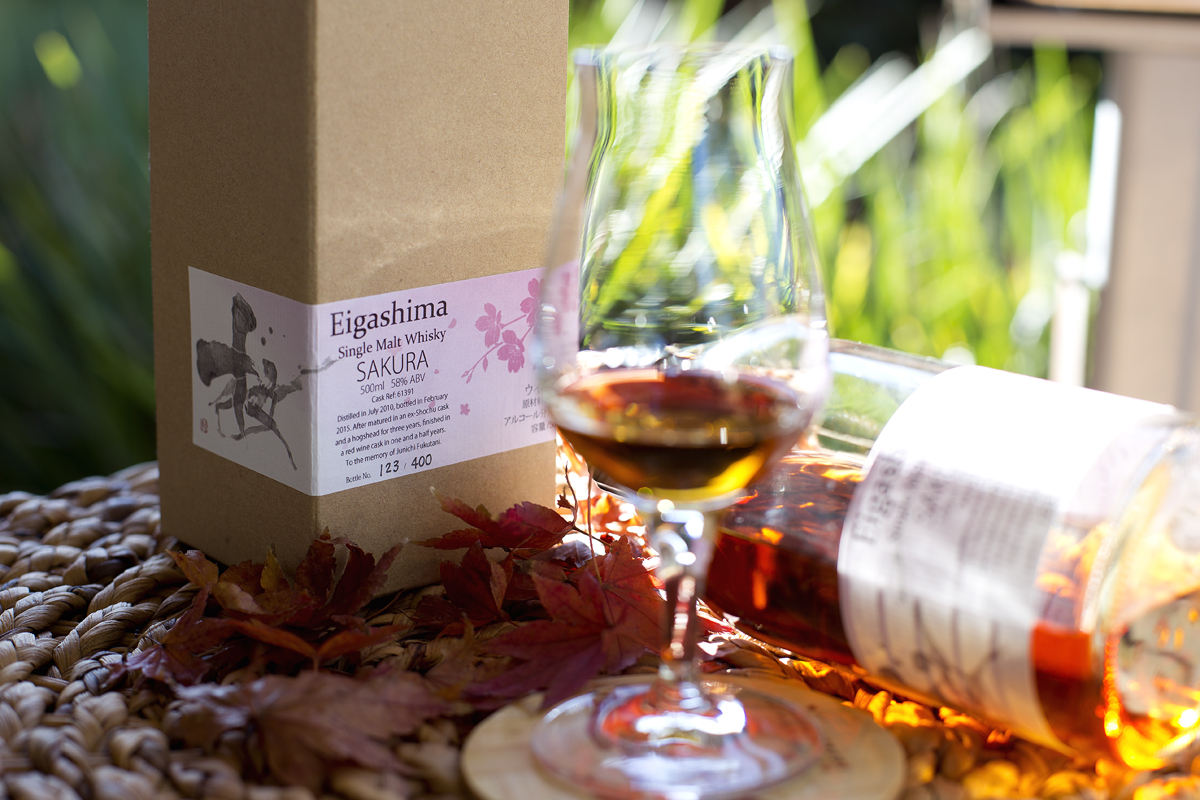
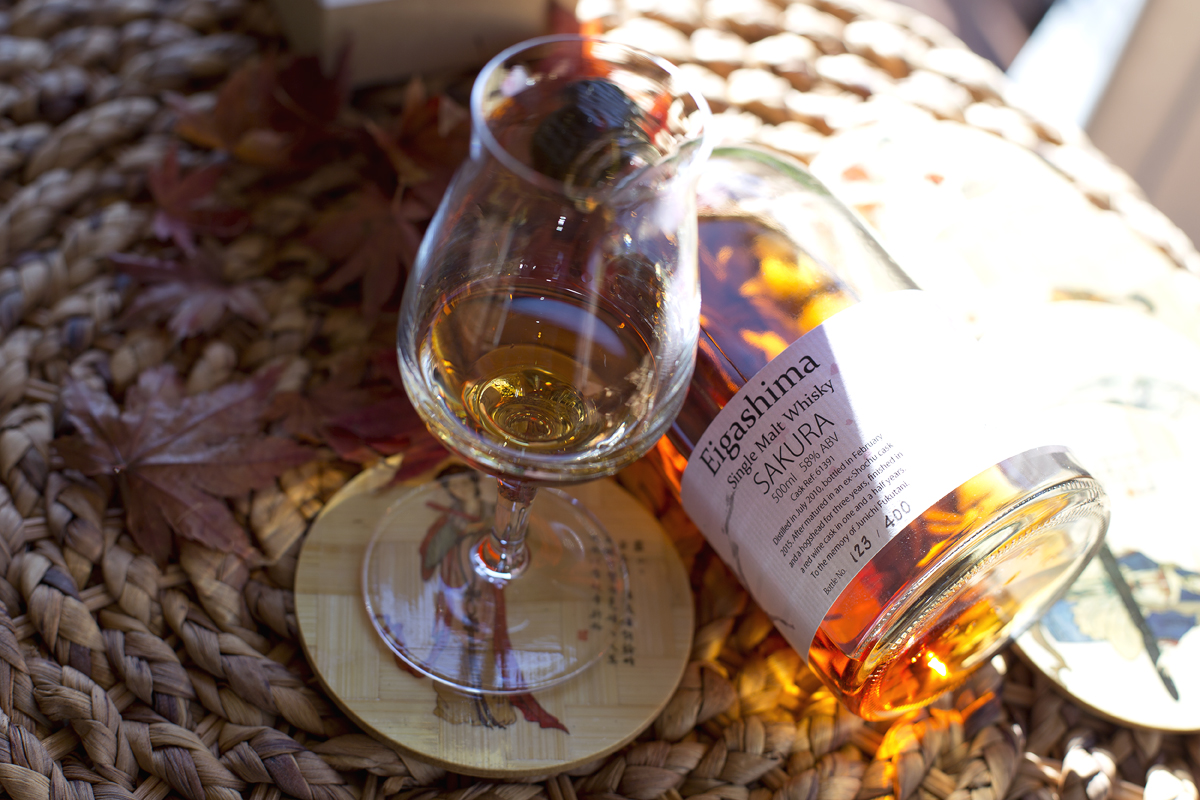
A quick glance at the label on this bottle confirms that this is a bit of an interesting one.

Eigashima Sakura

Distilled in July 2010, the Eigashima Sakura was matured in an ex-Shochu cask and a hogshead for a combined period of three years, before being finished is a red wine cask for a further one and half years before being bottled at 58% ABV.

I don’t know about you, but there are a few words on this label that I wasn’t immediately familiar with, namely the words Eigashima and Shochu. I have heard of both, but I must admit I had to hit the books (aka Google) and do a bit of research to really understand and appreciate this one.

Eigashima

We’ll start with Eigashima. You may not have heard of Eigashima, but you may have heard of another small Japanese distillery called Akashi. Well, in basic terms, they’re kind of one and the same.

Located just our of Kobe, Japan, Eigashima is the parent company that runs the White Oak Distillery, who produce whisky bottled under the Akashi brand. Interestingly, they only produce whisky for two to three months a year and with a team of just four people, they’re the smallest whisky distillery in Japan.

Eigashima Sakura

So if they’re only making whisky for a couple of months a year, what are they doing the rest of the time? Well that leads us to that second word I wasn’t overly familiar with..

Shochu

You see, Eigashima’s core business is producing two of Japan’s favourite distilled drinks, sake and shochu. Sake is essentially a brewed rice wine, but shochu is quite a bit different. It’s first brewed, then distilled and can be made from a variety of different ingredients including sweet potatoes, barley, buckwheat, rice, sweet corn or even brown sugar. After distillation it’s then matured for a relatively short time (compared to whisky), in either stainless steel tanks, clay pots or – you guessed it – wooden casks!

There’s a lot more to it and the history and production is quite fascinating, so feel free to check this out for further info.

Eigashima Sakura

Now that we know a bit more about Eigashima and Shochu, I’d say it’s time we taste. Kanpai!

Eigashima Sakura

When first poured, I’d say that the Sakura isn’t immediately recognizable as whisky. I get more of a plum wine and Slivovitz top note on a bed of raw white grain spirit and as it sounds – it’s not great. Air is its friend though. Fifteen minutes in the glass opens this dram right up to reveal a rich, thick nose of runny toffee, marmalade, balsamic reduction and heavily charred figs. I get a hint of potpourri, char and dark soy. It’s not sherried, it’s almost like an older complex Armagnac, but that grainy vodka-like spirit notes pokes it head through here and there.

On the palate it’s immediately oily giving rise to a burst of spirit heat which quickly fades to deliver sweet, chewy berry notes, brown sugar and a slight fizz. The residue is almost savory though, with a saline tang turning very dry and tannic on the finish with a slight bitter waxiness.

I would never pick this as a sub-five year old whisky and despite the young age and high proof, I have no desire to add water to this one. There’s so much going on which makes me think Eigashima have been very clever with their cask selection here. However, as is often case with heavy wine finishes, the drying bitter finish isn’t quite the crescendo I was looking for.

Eigashima Sakura

Having never tasted Shochu, I can’t really comment on the influence the shochu cask has had on this whisky. However, even before reading up on it, I did get a distinct white grain/potato spirit (almost vodka-like) note on the nose. I don’t know what type of shochu cask was used in the finishing (sweet potato, barely, brown sugar etc.), but this was a really interesting note, in a really interesting whisky.